
Sadako Ogata Scholarship Applications Now Open!
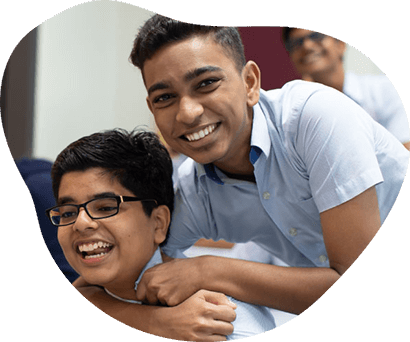
Open to students of all grades, this scholarship supports deserving learners through academic merit and financial need.
Apply Now!

Global
All Cities
Where would you like to study? Select cities to refine your search.
Any Curriculum
Find a campus based on the curriculum offered.
Global
Global
All Cities
Where would you like to study? Select cities to refine your search.
Any Curriculum
Find a campus based on the curriculum offered.
Search

GIIS: LEADING INTERNATIONAL HIGH SCHOOL IN TOKYO

GIIS Tokyo is a leading international high school in Japan featuring modern facilities and delivering rigorous academics that hrlp build student leadership, innovation, and future-ready skills.

Admissions Open for 2026-2027

International High School in Tokyo, Japan

Senior High school in Japan is an academic journey for students in the age group between 14 to 16 years, equivalent to CBSE Grades 11 and 12 or IBDP Year 1 and Year 2. It is a time when students build the perfect foundation for advanced education levels. High school admission is based on the results of lower secondary school’s examinations.

‍ The academic curriculum of International high schools in Tokyo commonly includes subjects like Japanese, English, Mathematics, Science, Health and Physical Education, Arts, and Economics. Some students also opt for European languages, such as French or German.

Curricula for High School at GIIS in Tokyo

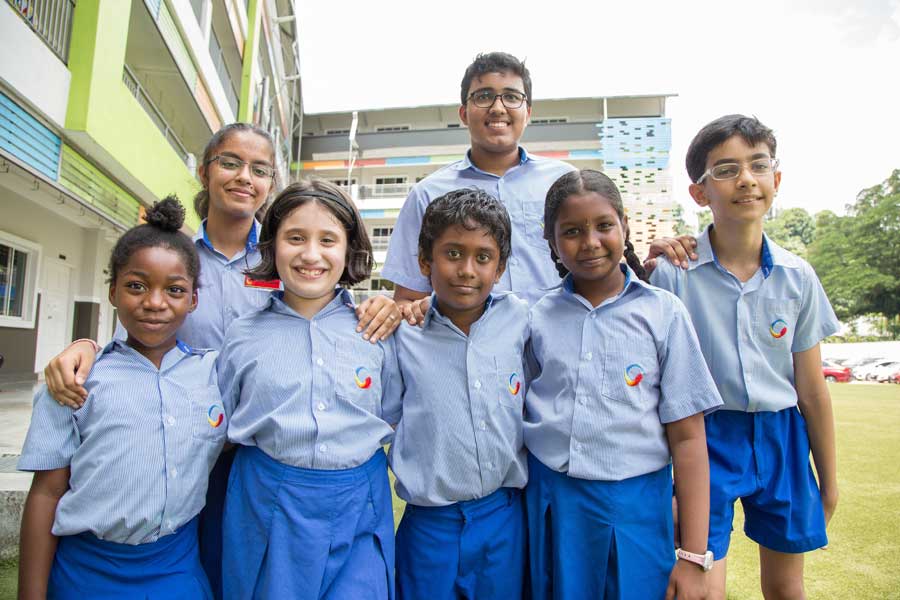
The Senior High school programme at GIIS Tokyo focuses on the cognitive, emotional and spiritual development of 14 to 16 years old students. We offer CBSE and IBDP curricula that encourage skills-based learning and self-reflection in a digital setting.

CBSE

Grade 11-12

CBSE is an excellent Higher Secondary School curriculum offered for 11 and 12th grade students structured to meet the modern age education system encouraging skill-based learning in a digital environment.

IBDP

Year 1 & Year 2

This curriculum enhances every high school graduate's learning experience, by transforming the young students into global citizens capable of facing any challenge in the future.

CBSE

GIIS is one of the best CBSE-affiliated high schools in Japan that provides high-quality co-educational facilities, as well as great infrastructure and competent teachers.

‍ The CBSE curriculum for students in Grades 11 and 12 is imparted through our award winning holistic framework. The sternness of the curriculum is matched by an extraordinary skill-based education that gives equal weightage to developing and gaining talent as well as instilling values like kindness and solidarity. This methodology allows students to pursue their passions while also letting them achieve their academic goals.

‍ To enhance the learning experiences at GIIS, our highly-qualified faculty uses a practical, experimental, and activity-based approach to create an environment that allows students to grow with the best understanding and learning concepts.

READ MORE
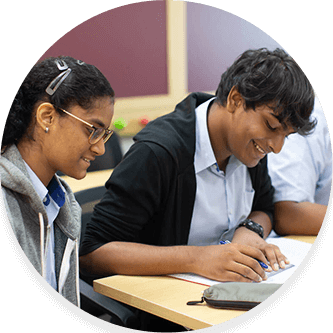
Why Prefer CBSE at Indian International High School in Tokyo, Japan?

Outstanding CBSE Academic Results

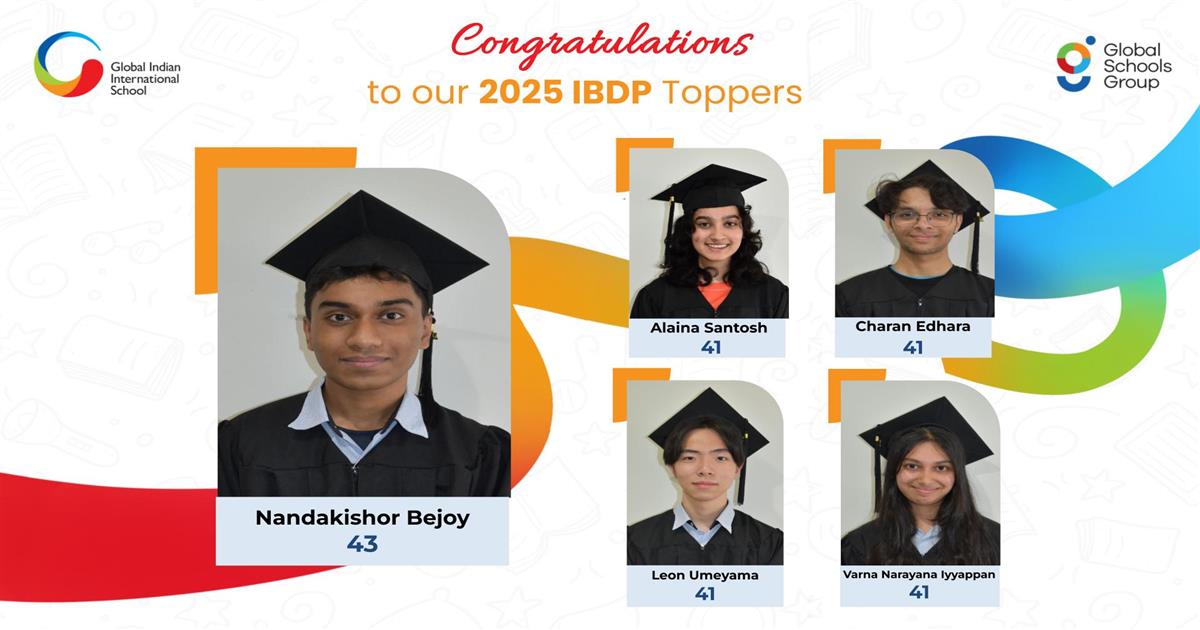
At GIIS school in Tokyo students have proved their academic prowess by securing top ranks. The average pass percentage has always been above 80% in the 10th and 12th board examinations.

Why GIIS is the chosen primary school by parents

Holistic Educational Framework-9 GEMS

The  9 GEMS is an award-winning holistic pedagogy that provides the best opportunities for students to develop their skills and achieve all-round development. This teaching framework boosts the learning experiences of students and offers excellence in nine different areas of knowledge and skills like Academics, Sports, Innovation, Leadership, Arts, Entrepreneurship, Community Connect and Universal values. 

9GEMS is a powerful framework where the syllabus is a combination of digital and futuristic platforms, which helps in the outstanding growth of creativity, critical thinking capabilities and emotional health of the learners.
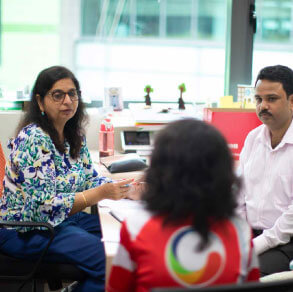
High School Admissions in Tokyo

Discover the pathway to excellence with high school admissions at GIIS. Our renowned institution offers a holistic education that empowers students to thrive academically and personally. Join us in shaping a bright future for your child.

High School Fees Structure in Tokyo

At GIIS, we believe in providing affordable and quality education. Explore our competitive high school
fees in Kuala Lumpur. Join us in shaping a brighter future for your child through holistic learning.

Application Fees
Payment Frequency

One Time, Non Refundable

Enrolment Fees
Payment Frequency

One Time, Non Refundable

Security Deposit
Payment Frequency

One Time, Refundable

Tuition Fees
Payment Frequency

Per Term
(4 Months)

Term Activity Fees
Payment Frequency

Per Term
(4 Months)

Scholarships

Parent Testimonials

Interested in other School Levels?

Kindergarten

We offer the best practices of modern pre-school education
Primary School

A quick glance at our primary school programme and facilities

Secondary School

Focuses on the all round development of 11 to 14 year-olds
Trending News

Latest Videos

Play Video Play Video

Student Connect: Interview with Dy. CEO

Play Video Play Video

GIIS East Coast Campus: Best International School for CBSE

Play Video Play Video

SPEDAS: Making Use of Sports Analytics and Tech in the Game of Football

Extra-curricular and Co-curricular Activities

Encouraging students to identify and enhance their talent is what makes the best international school in Malaysia. Students are given exceptional opportunities with a wide range of ECA and CCA to help students learn beyond academics. Compulsory participation in any of the activities and support by expert trainers boosts the physical and mental health of students and makes them stronger and confident.

Artificial
Intelligence

Tabla

Ceramics and
Clay Modelling

Science
Clubs

Explorers
Club

Guitar

Art of
Beading

Bharatanatyam


Recent Blogs View All

プリスクールとは?保育園・幼稚園との違いやメリットを解説

「プリスクールとはどのような施設?」「保育園や幼稚園とは何が違う?」と疑問に感じている方もいるでしょう。 プリスクールは、主に未就学児を対象に、英語を使った環境で幼児教育を行う施設です。しかし、教育方針やカリキュラム、費用などは施設によって異なるため、特徴を理解したうえで子どもに合った環境を選ぶことが大切です。 この記事では、プリスクールと保育園・幼稚園、インターナショナルスクールとの違いをはじめ、メリット・注意点や選び方までわかりやすく解説します。 プリスクールとは? プリスクールとは、小学校へ入学する前の子どもを対象とした教育・保育施設を指す言葉です。 海外では「preschool」は広く就学前教育を意味しますが、日本では統一された定義がありません。一般的には、未就学児が英語を使う環境で過ごしながら、幼児教育を受ける施設をプリスクールと呼んでいます。 プリスクールに通える年齢は施設によって異なり、一律に「何歳から」と決められているわけではありません。そのため、入園を検討する際は、希望する施設の対象年齢を確認する必要があります。 たとえばGIIS東京では、3〜6歳の子どもを対象に就学前教育を提供しています。年齢に応じてクラスが分かれており、成長段階に合わせた教育を受けられるのが特徴です。 プリスクールと保育園・幼稚園の違い プリスクールと保育園・幼稚園は、いずれも未就学児が通う施設ですが、教育・保育の内容や費用、先生に求められる資格などに違いがあります。 なお、「プリスクール」と「プレスクール」は、どちらも英語の「preschool」をカタカナで表した言葉で、基本的に意味の違いはありません。 主な違いを以下の表で確認してみましょう。 項目 プリスクール 保育園 幼稚園 主な活動・カリキュラム 英語を使った活動や幼児教育を行う 生活や遊びを中心とした保育を行う 幼児期に必要な教育を行う 主な使用言語 英語を中心とする施設が多い 日本語が中心 日本語が中心 学費・保育料 年間100〜180万円程度が目安 認可保育所では世帯所得や子どもの年齢などによって異なる 公立・私立や園によって異なる 先生の資格 施設によって異なる 保育士資格 幼稚園教諭免許状 保育・教育時間 施設によって異なる 保護者の就労状況などに応じて利用時間が決まる 4時間が標準 それぞれの違いについて、以下で詳しく解説します。 活動内容・カリキュラムの違い プリスクールと保育園・幼稚園では、英語の取り入れ方に大きな違いがあります。 保育園や幼稚園でも、英語の歌やダンス、ゲームなどを通して英語に触れる機会を設けている施設があります。一方、プリスクールでは、英語を学習科目として取り入れるだけでなく、日常的なコミュニケーションにも英語を使用するのが特徴です。 また、プリスクールによっては、アルファベットや、文字と音の関係を学ぶフォニックスなどを学びながら、英語の読み書きにも触れていきます。 学費の違い プリスクールは、保育園や幼稚園と比べて学費が高額になりやすく、年間100〜180万円程度がひとつの目安です。施設によっては、入園料や教材費、施設維持費、スクールバス代などが別途必要になる場合もあります。 プリスクールの多くは認可外施設として運営されていますが、条件を満たせば「幼児教育・保育の無償化」の対象となる場合があります。保育の必要性の認定を受けた3〜5歳の子どもが対象となる認可外保育施設などを利用する場合、月額3万7,000円を上限として利用料が無償化されます。 参考:こども家庭庁|幼児教育・保育の無償化について 対象となる施設や条件は自治体によって異なるため、プリスクールを選ぶ際は、学費の総額とあわせて利用できる制度についても確認しておきましょう。 先生に必要な資格の違い 保育園で保育士として働くには保育士資格、幼稚園で幼児を教育するには幼稚園教諭免許状が必要です。一方、プリスクールで英語を指導する講師については、保育士や幼稚園教諭のように一律に求められる資格・免許はありません。 そのため、講師に求める条件はプリスクールによって異なります。英語力だけでなく、幼児教育の経験や学歴、保有資格など、独自の採用基準を設けている施設もあります。 プリスクールを選ぶ際は「ネイティブ講師がいるか」だけで判断せず、講師がどのような幼児教育の経験や資格を持っているのか、子どもの発達段階に合わせた指導体制が整っているのかまで確認することが大切です。 プリスクールとインターナショナルスクールの違い プリスクールとインターナショナルスクールは、英語を使った環境で教育を受けられる点では共通していますが、主な対象年齢や成り立ち、教育の目的が異なります。 日本におけるプリスクールは、主に未就学児を対象に、英語に触れながら幼児教育を受けられる施設です。英語を日常的なコミュニケーションに取り入れ、幼少期から英語に親しめる環境を提供しています。 一方、日本のインターナショナルスクールは、もともと外国籍の子どもが自国に近い教育を受けるための学校として設立されてきました。現在では日本人を受け入れる学校もあり、英語などを使用言語として各教科を学ぶことを主な目的としています。 また、対象年齢にも違いがあります。プリスクールは主に小学校入学前の子どもが対象ですが、インターナショナルスクールには就学前から高校まで幅広い年齢の子どもを受け入れている学校があります。 […]

インターナショナルスクールとは?特徴・メリット・デメリットをわかりやすく解説

「インターナショナルスクールとは、どのような学校?」「英語が話せなくても入学できる?」など、お子さまの教育を考えるなかで気になっている方もいるでしょう。 インターナショナルスクールでは、主に英語を使った授業が行われ、日本の一般的な学校とはカリキュラムや教育環境などにさまざまな違いがあります。一方、学費や卒業資格、大学進学など、入学前に確認しておきたいポイントも少なくありません。 この記事では、インターナショナルスクールの特徴や対象年齢、学費、入学条件、卒業後の進路についてわかりやすく解説します。メリット・デメリットも紹介するので、お子さまの教育環境を検討する際の参考にしてください。 インターナショナルスクールとは? インターナショナルスクールとは、主に外国籍の子どもを対象に、英語を中心とする外国語で授業を行う教育施設です。近年では、日本人の子どもが国際的な教育環境や語学力の習得を目的に通うケースもあります。 ただし、日本の一般的な学校とは教育内容や制度上の位置づけなどに違いがあり、プリスクールや保育園とも役割が異なります。まずは、それぞれとの違いを通してインターナショナルスクールの特徴を見ていきましょう。 普通の学校との違い インターナショナルスクールと日本の一般的な学校では、授業で使う言語だけでなく、カリキュラムや学校教育法上の位置づけなどにも違いがあります。 主な違いをまとめると、以下のとおりです。 比較項目 インターナショナルスクール 日本の一般的な学校 主な使用言語 英語 日本語 カリキュラム 国際的な教育プログラムや独自のカリキュラムなど 文部科学省の学習指導要領に基づく 法律上の位置づけ 「各種学校」や無認可施設など、学校によって異なる 原則として学校教育法第1条に定める「一条校」 学年の開始時期 8~9月など、学校によって異なる 原則4月 主な進路 国内・海外の大学など 国内大学など 特に確認しておきたいのが、学校教育法上の位置づけです。日本国内のインターナショナルスクールは通常の「一条校」ではなく「各種学校」として認可されている場合が多く、日本の一般的な小学校・中学校と同じ扱いにならないケースがほとんどです。 そのため、子どもの学校を選ぶ際は、教育内容だけでなく、学校の認可状況や卒業後の進路なども確認することが大切です。 プリスクール・保育園との違い インターナショナルスクールと混同されやすい施設に、プリスクールや保育園があります。 一般的にプリスクールは、就学前(小学校入学前)の子どもを対象に英語を取り入れた教育や保育を行う施設を指します。一方、インターナショナルスクールは幼児期から高等学校相当まで幅広い年齢を対象とする学校があり、対象年齢や教育課程は学校によってさまざまです。 また、保育園は保護者の就労などにより保育を必要とする乳幼児を預かり、生活や発達を支える児童福祉施設です。英語教育を主な目的とする施設ではない点も、インターナショナルスクールやプリスクールとの違いです。 なお、「プリスクール」という名称には統一された法的な定義があるわけではないため、対象年齢や教育内容、施設の位置づけはそれぞれ異なります。入園・入学を検討する際は、名称だけで判断せず、各施設の教育方針や認可状況などを確認しましょう。 何歳から通える?対象年齢と入学タイミング インターナショナルスクールに通える年齢は、学校によって異なります。幼児教育を行うプリスクールやナーサリーでは0歳頃から受け入れている場合があり、その後は小学校・中学校・高校に相当する課程へと進んでいくのが一般的です。 対象年齢の目安は、以下のとおりです。 課程 年齢の目安 ナーサリー 0~3歳頃 プリスクール 2~5歳頃 小学校相当 6歳頃~ 中学校・高校相当 ~18歳頃 ただし、対象年齢や学年の区切り、入学時期は学校によって異なるため、希望する学校の募集要項を確認することが大切です。 また、日本の学校では一般的に4月から新年度が始まりますが、インターナショナルスクールでは海外の教育制度に合わせて8月や9月に新年度を迎える学校もあります。 GIISでは、幼児教育から高校まで幅広い年齢の子どもを対象とした教育を行っており、成長に合わせて一貫した教育環境で学ぶことができます。早い段階から国際的な環境に触れ、その後の進学まで見据えて学べることも特徴のひとつです。 インターナショナルスクールの学費・費用の目安 インターナショナルスクールの学費は学校によって異なりますが、年間150万〜300万円程度がひとつの目安です。一般的な公立校と比べて費用が高くなりやすいため、継続して通う場合は長期的な資金計画も考えておく必要があります。 また、授業料の他に、学校によっては以下のような費用が別途かかります。 入学金 教材費 […]

国際バカロレア(IB)とは?4つのプログラム・メリット・デメリットをわかりやすく解説

「国際バカロレア(IB)という言葉は聞いたことがあるけれど、実際にはどのような教育なのかよく分からない」という方は多いのではないでしょうか。国際バカロレアは、世界共通の教育プログラムとして多くの国で導入されており、お子さまの思考力や表現力を育む学びとして今、注目を集めています。 一方で、「授業が難しいと聞くけれど本当?」「うちの子どもに向いている?」といった不安を感じることもあるでしょう。この記事では、国際バカロレアの概要や4つのプログラム、メリット・デメリット、そして難易度について、保護者の方にもわかりやすく解説します。 国際バカロレア(IB)とは? 国際バカロレア(IB)とは、スイスに本部を置く国際バカロレア機構(IBO)が提供する、世界共通の教育プログラムです。単に知識を覚えるのではなく、「自ら考え、課題を発見し、解決策を導き出す力」を育てることを重視しています。 実際の授業では、探究学習やディスカッション、プレゼンテーションが多く取り入れられています。お子さまの批判的思考力や探究心、表現力を養うため、暗記中心の学習とは異なるアプローチとして世界中で高く評価されているのです。 また、ディプロマ・プログラム(DP)を修了し、所定の条件を満たすと、国際的に通用する大学入学資格が得られます。海外大学への進学を目指す方はもちろん、グローバルな視点や主体的な学びを大切にしたい方にとっても魅力的なプログラムといえるでしょう。 なお、国際教育にはIB以外にもAレベルなどの資格が存在します。学習内容や進学ルートはそれぞれ異なりますので、必要に応じて関連記事も参考にしてください。 関連記事:IBとAレベル:将来への準備になるのはどちら? 国際バカロレアが生まれた背景 国際バカロレアは、1968年にスイスで設立されました。国や地域によって教育制度が異なるなかで、お子さまが世界のどこにいても質の高い学びや進学を続けられるようにすることが設立の目的です。 設立当初から「世界中の生徒が同じ基準で学べる教育を」という理念を掲げており、国際的な視野や異文化理解の育成を重視してきました。現在では世界100以上の国と地域で導入され、多くの学校で理念が受け継がれています。 国際バカロレアの4つのプログラム 国際バカロレアには、お子さまの年齢や発達段階に応じた4つのプログラムが用意されています。幼少期から大学進学前まで、一貫した学びを提供している点が大きな特徴です。 まずは、プログラムごとの対象年齢と特徴をご覧ください。 プログラム 対象年齢 特徴 PYP(初等教育プログラム) 3〜12歳 遊びや探究活動を通じて主体的に学ぶ力を育む MYP(中等教育プログラム) 11〜16歳 教科横断型の学習で思考力や応用力を伸ばす DP(ディプロマ・プログラム) 16〜19歳 修了により国際的な大学入学資格の取得を目指す CP(キャリア関連プログラム) 16〜19歳 職業教育とIBの学びを組み合わせて実践力を養う PYP(プライマリー・イヤーズ・プログラム) PYPは3〜12歳を対象とした初等教育プログラムです。お子さまの好奇心や探究心を大切にし、自ら学ぶ姿勢を育むことを目的としています。 授業では遊びや体験活動を積極的に取り入れ、「なぜそうなるのか」を考える機会を多く設けています。知識を一方的に教えるのではなく、お子さまが自分で問いを立てて学ぶ力を養います。 MYP(ミドル・イヤーズ・プログラム) MYPは11〜16歳を対象とした中等教育プログラムです。教科ごとの知識習得に加え、学んだ内容を現実社会の課題と結び付けながら理解を深めます。 複数の教科を関連付けて学ぶ「教科横断型」のアプローチを採用し、論理的思考力や問題解決能力を育成します。将来的にDPへ進むための、大切な土台となるプログラムです。 DP(ディプロマ・プログラム) DPは16〜19歳を対象とした、国際バカロレアの中核を担うプログラムです。世界中の大学進学を見据えて設計されており、高度な学術的能力や思考力を養います。 所定のカリキュラムを履修し、最終試験で基準を満たすと「IBディプロマ」という大学入学の資格が取得できます。この資格は世界各国の大学で広く認められており、日本国内でも入学選考や出願資格として活用する大学が増えています。 CP(キャリア関連プログラム) CPは16〜19歳を対象としたプログラムで、大学進学だけでなく、将来の職業や専門分野も見据えた学びを提供します。IBの教育理念を取り入れつつ、職業教育や専門的な学習を組み合わせ、実践的なスキルを身につけられる点が特徴です。 国際バカロレアのメリット 国際バカロレアは、単に海外大学への進学を目指すための資格ではありません。学力はもちろん、思考力や表現力、異文化への理解といった「これからの時代に求められる力」をバランスよく育めます。 ここでは、国際バカロレアの主なメリットをご紹介します。 世界中の大学で通用する資格 国際バカロレアの大きなメリットは、世界中の大学進学に活用できることです。特にDP(ディプロマ・プログラム)を修了してIBディプロマを取得すると、多くの海外大学への出願が可能になります。 IBディプロマは世界110以上の国・地域の大学で評価されており、国際的なパスポートのような役割を果たします。また、日本国内でもIB入試を導入する大学が増えており、進路の選択肢を広げられる点は大きな魅力です。 将来の進学先として国内外を問わず、幅広い視野を持ちたいお子さまにとって有利な資格といえます。 思考力・表現力が自然に身につく 国際バカロレアでは、知識の暗記にとどまらず、自分で考え、その考えを相手に伝える力を非常に重視しています。 授業では論文やレポートの作成、プレゼンテーション、ディスカッションなどに取り組む機会が多くあります。そのため、「何を覚えたか」という結果以上に、「なぜそう考えるのか」「根拠は何か」を論理的に説明する力が求められるのです。 こうした学習を重ねることで、論理的思考力や、自分の意見をわかりやすく表現する力が自然と養われます。大学進学後や社会に出た際にも役立つ、一生もののスキルといえるでしょう。 グローバルな視野が広がる 国際バカロレアでは、多文化理解や国際的な視点を持つことを重視しています。 そのため、学習を進めるなかで、さまざまな国や地域の歴史、文化、価値観に触れる機会が多く設けられています。また、多様な背景を持つ人々と意見を交わしながら学ぶことで、自分とは異なる視点を理解する寛容さも育まれるのです。 国際的な環境で求められるコミュニケーション能力や協働する力も身につくため、海外大学への進学や、将来グローバルに活躍することを目指すお子さまにとって大きな強みとなるでしょう。 […]

Our Global Campuses

Frequently Asked Questions

High school admissions at GIIS Tokyo are open throughout the year and depend upon the availability of seats. Parents are advised to fill in the online admission enquiry form as soon as possible for the admission process to begin.

Parents can procure an application form by personally visiting the campus or during the campus tour. We also have the application forms available online on our website.

Following documents are required along with the fully filled admission form:

● Birth Certificate
● Passport size Photographs
● Valid Residential Address Proof of Parents and Students
● Medical Certificate

Yes, each and every student must go through counselling sessions and assessments as part of the admission process. This is done to examine the student’s understanding and calibre in order to offer the best-suited programme.

No. Registration fee is a mandatory, one-time, and non-refundable fee to confirm the seat.

Yes, you can attend high school in Japan as a foreigner, provided you have a valid visa. To apply for admission, you need to fill out the online admission inquiry form and submit the required documents. Our dedicated admission counselor will get in touch with you, allowing you to list your questions and get them clarified.

As one of the top international high schools in Tokyo, we offer the best of curriculums to our senior students:

● Central Board of Secondary Education (CBSE)
● International Baccalaureate Diploma Programme (IBDP)

CBSE is one of India’s most reputable boards, and it develops curricula while keeping in mind the world’s best educational practices. Despite the fact that education systems vary by country, CBSE is respected and recognised by practically all major universities worldwide. If a student applies for graduation after completing the 12th grade board examinations, they will be considered by all international universities.

Both the curricula are different in terms of learning modules. To judge the proficiency level of students, following assessment pattern is followed:

CBSE Curriculum
● Two formative assessments
● One mid-term assessment
● One final-term examination.

IBDP Curriculum
● Ongoing formative tests throughout the term
● Two term-end examinations in the end of the curriculum

Our high school faculty takes advantage of the CBSE curriculum’s benefits by using GIIS’ creative frameworks and learning pedagogies, which have been developed over a decade. To help students thrive academically and become lifelong learners, our teachers use project and activity-based lessons. As CBSE follows a deep-research methodology, we bring respective field specialists to impart knowledge to children and turn them into better citizens.

CBSE continuously strives to develop a curriculum that equips students with greater practical and analytical understanding. It is the preferred option for most of the parents because it promotes the child’s overall development. GIIS is one of the best Indian high schools in Japan offering a world-class education system and a comprehensive educational programme.

In Japan, kids are required to go to school for nine years, covering primary and lower secondary education. After that, they attend senior high school for three more years, usually between the ages of 15 and 18.

Students can choose between IB Diploma Programme (IBDP) and CBSE for higher secondary education.

GIIS Tokyo’s fee is the most affordable among the top high schools in Edogawa. The high school fee depends on the curricula chosen by the students. To know more about the fee structure, please visit the fees page on our website. 

There are three terms in high school of four months each. The fee is due prior to the beginning of each term.

GIIS offers a 25% discount on tuition fees if parents enrol their second child also in our school. On enrolment of a third child, we offer a 50% discount on tuition fees.

Yes, as one of the top high schools in Tokyo, GIIS offers various scholarships to high school admission seekers. The list of scholarships includes:

● Global Citizen Scholarship
● 9GEMS Holistic Development Scholarship
● Hideki Yukawa Global Skills Scholarship
● Sadako Ogata Merit cum Means Scholarship
● Global Future-Ready Merit Scholarship

Scholarships usually cover only the tuition fee. One-time registration fee, uniform fee, bus fee, books fee and any other miscellaneous fees need to be paid separately.

To apply for admission to high school at GIIS Tokyo, please fill out the online inquiry form on the GIIS website and submit the necessary documents. Our admissions counselor will get in touch with you.

The admission process includes a written test, followed by an interaction. GIIS also considers previous academic performance along with English proficiency.

Yes, students are supported for admissions into top universities in Japan and globally.

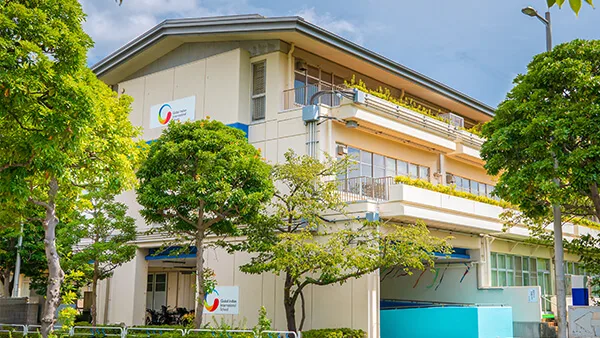
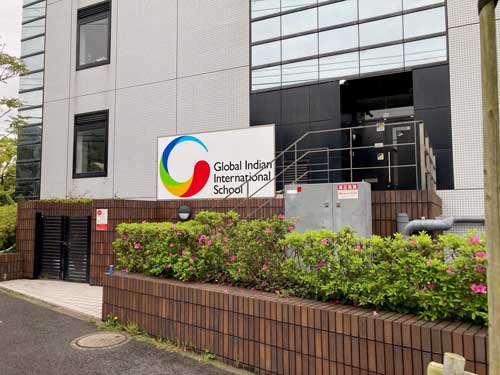
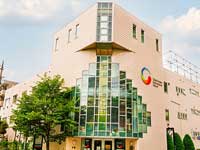
Campus tours are offered to parents to witness the magnificent school building and experience the modern facilities available for students. During the tour, parents can visit the school laboratories, sports grounds, extra-curricular activity rooms, etc. Parents can set up a meeting with any specific department head also. Moreover, counsellors are assigned during the tours for assistance in exploring the campus. In the end, a counselling session is conducted along with an assessment to identify the student’s knowledge graph and recommend the best learning module and curriculum.

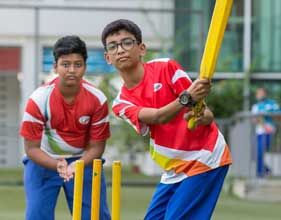
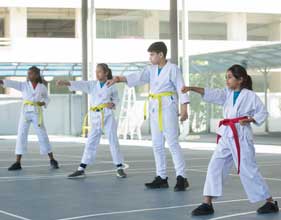
We offer a plethora of extra-curricular activities for the overall development of our students:

● Tennis
● Badminton
● Karate
● Soccer
● Table Tennis

Co-curricular activities are a core component of holistic education that help in the physical and emotional development of students. We offer a wide range of co-curricular activities:

● Innovation Club
● Science Club
● Arts
● Music & Dance
● Math Club
● Needle Art
● General Knowledge Club
● Spelling & Speeches
● Origami
● Spanish Club

Safety of our students is of utmost importance for us. As one of the top high schools in Tokyo, we strive to ensure that each student feels safe within the campus. Apart from security guards, we have installed CCTV cameras across the campus, while facial recognition machines have been installed to mark the attendance as well as track the digital footprints of our students inside the premises. GIIS carefully and closely conducts the background checks of each member of staff and working personnel who may come into direct or indirect contact with students.

Our Tokyo campuses have been designed to be resource efficient and provide wellness and positive experiences to all students and faculty members. Our campus facilities include:

● Britannica Learning Zone
● Music Room
● Computer Laboratory
● Mathematics Laboratory 
● Science Laboratories
● Yoga Hall
● Library
● Audio-Visual Room
● Mahatma Gandhi Centre for Universal Values

No, GIIS Tokyo does not provide visa sponsorship for students. Applicants must have a valid visa to enrol. Additionally, GIIS Tokyo does not offer dormitory facilities, so students must arrange their own accommodation.

Search

Vision, Mission & Core Values

Our vision is to become a global role model for teaching and learning.

History & Milestones

Since its inception in 2002, GIIS has continued to spread quality education over 10 countries in the continent.

Nishikasai Campus

We are located in a community which has a vibrant presence of both Indian and local populace

Higashikasai Campus

Spacious and green, this campus in the heart of Edogawa-ku is a state-of-the-art international school in japan

Seishincho Campus

Our newly established international preschool Campus is residing quietly along the Arakawa River side in Seishincho.

Kita Kasai Campus

The newest addition to the GIIS Tokyo mantle is located in the Kita Kasai region in Edogawa, Tokyo

Holistic Education Framework

Award-winning framework for all-round student development

Extra Curricular Activities

Extra-curricular activities are those activities, often sports-based, that take place outside of the GIIS classroom

Co Curricular Activities

Talent shows, performances, competitions, clubs and additional classroom work.

Admission Process

Get an overview of the admissions process

Book Campus Tour

Register for a tour of the campus to learn more about the school first hand

Book A Meeting

You can talk to our Admissions Counsellor online or in-person, as per your convenience.

Admission Form

Find all forms related to admissions procedure here

Fees

Get information on our fee structure for different grades

Admission

The Global Indian International School admission process is transparent, easy, and interactive.

Request for scholarship brochure
Request for a Call back