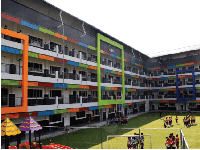
Malaysia has become a leading hub for international education in Southeast Asia. Many families choose the Cambridge International General Certificate of Secondary Education (IGCSE) curriculum because it is globally recognised and prepares students for further academic pathways such as A-Levels, IB or university studies abroad.
If you are planning to enrol your child in an international school, understanding ‘what are the admission requirements for the IGCSE programme in Malaysia’ is essential. While each institution may have slightly different policies, the general admission procedures followed by most Cambridge schools with IGCSE in Malaysia include age eligibility, academic performance, English language proficiency, and supporting documentation.
Below is a detailed overview to help parents navigate the secondary school admission process.
1. Age & Grade Placement
The Cambridge curriculum follows a structured age progression, and schools usually place students according to the standard age range for each academic year.
Most IGCSE programmes are organised as follows:
- Lower Secondary (Years 7–9): Ages approximately 11–14 years
- Upper Secondary (IGCSE Years 10–11): Ages approximately 14–16 years
Schools generally expect students to meet the appropriate admission age criteria for the year they apply. This helps ensure students can keep up with the academic pace of the curriculum.
At GIIS Kuala Lumpur, admissions teams evaluate both age and previous academic experience before assigning the correct year level. Many families who previously enrolled their children through kindergarten admission in Kuala Lumpur at international schools often continue into the Cambridge pathway offered in secondary levels.
2. Academic Requirements
Academic readiness is another key part of secondary school admission. Schools review students’ previous education to determine whether they are prepared for the IGCSE curriculum.
Prior Schooling Records
Applicants are typically asked to provide academic documents such as:
- Report cards from the last one or two years
- Evidence of satisfactory academic performance
- Certificates confirming completion of the previous school year
For students applying directly to IGCSE Years 10–11, most schools expect completion of Lower Secondary education or equivalent programmes, such as Cambridge Checkpoint.
Entrance or Placement Assessments
Many IGCSE schools in Malaysia require students to sit internal assessments to determine academic level.
These tests often include:
- English language assessment
- Mathematics assessment
Some schools conduct brief placement tests, while others organise more formal entrance examinations as part of their admission procedures.
3. English Language Proficiency
Because the IGCSE curriculum is taught in English, students must demonstrate adequate language proficiency.
Applicants may need to:
- Show strong English results in previous school reports
- Pass an internal English proficiency test
English fluency is particularly important in the IGCSE curriculum, where students are expected to complete coursework, essays, and subject assessments in English.
GIIS Kuala Lumpur normally evaluates language proficiency to ensure students can comfortably participate in classroom discussions and academic activities.
4. Documentation Needed
A key part of the admission procedures is submitting the required documents. While requirements may vary slightly between schools, the typical documentation includes:
- Student’s passport or birth certificate copy
- Academic transcripts or report cards
- School leaving certificate (for transfer students)
- Passport-sized photographs
- Completed application or registration forms
- Application or registration fee payment
Parents should always check with the admissions office of their chosen school for the exact document list.
5. Additional or Optional Criteria
Some international schools include additional evaluation steps.
Entrance Exams
Certain schools conduct formal entrance exams covering subjects such as:
- English
- Mathematics
These tests may last several hours and sometimes have minimum score requirements.
Interviews
Interviews may also be part of secondary school admission, especially for older students.
These interviews may involve:
- A discussion with the student
- Conversations with parents about educational goals
The purpose is to assess readiness for the IGCSE curriculum and determine if the school environment suits the student.
6. International Students
Malaysia attracts students from around the world. If the applicant is not a Malaysian citizen, additional requirements usually apply.
International students typically need:
- Student visa or immigration documentation
- Valid passport details
- Compliance with Malaysian education regulations
Most international schools assist families in completing the visa process after the admission offer is confirmed.
Summary Checklist
| Requirement Type | Typical Expectation |
| Age eligibility | Within the correct age range for the Year level |
| Academic performance | Satisfactory recent academic reports |
| English proficiency | Demonstrated through tests or school records |
| Entrance test/interview | Common for secondary admissions |
| Documents | Passport, academic reports, photos, and application form |
| Visa | Required for international students |
Tips Before Applying
Parents planning to enrol their child in an international school should consider the following:
- Contact the school directly to confirm the latest admission requirements.
- Many schools offer multiple intake periods, often in January or July.
- Prepare all academic records and documents early to speed up the admission process.
At GIIS Kuala Lumpur, we provide structured guidance throughout the application process and support families exploring international education pathways.
Final Words
Understanding what are the admission requirements for IGCSE schools in Malaysia helps parents prepare for a smooth application process. From meeting the correct admission age criteria to completing assessments and submitting documentation, the process ensures students are ready for the academic demands of the Cambridge curriculum.
If you are exploring reputable International Cambridge School with IGCSE schools in Malaysia, consider learning more about the programmes offered at GIIS Kuala Lumpur. With a strong academic framework and a supportive learning environment, GIIS KL helps students thrive academically and personally.
Contact our admissions team today to learn about upcoming intakes and begin your child’s IGCSE journey.
FAQs
Q1. What age do students start IGCSE in Malaysia?
Students typically start the IGCSE programme at age 14 in Year 10 after completing Lower Secondary education (Years 7–9). Most IGCSE schools in Malaysia accept students between the ages of 14 and 16 for the two-year IGCSE programme.
Q2. Do IGCSE schools in Malaysia require entrance exams?
Yes, many international schools require entrance or placement assessments in subjects such as English and Mathematics. These tests help determine the student’s academic level and readiness for the IGCSE curriculum.
Q3. What documents are required for admission to IGCSE schools in Malaysia?
Typical documents required during secondary school admission include:
- Passport or birth certificate
- Academic report cards from the past 1–2 years
- School leaving certificate (if transferring schools)
- Passport-sized photographs
- Completed application form and registration fee
International students may also need student visa documentation.