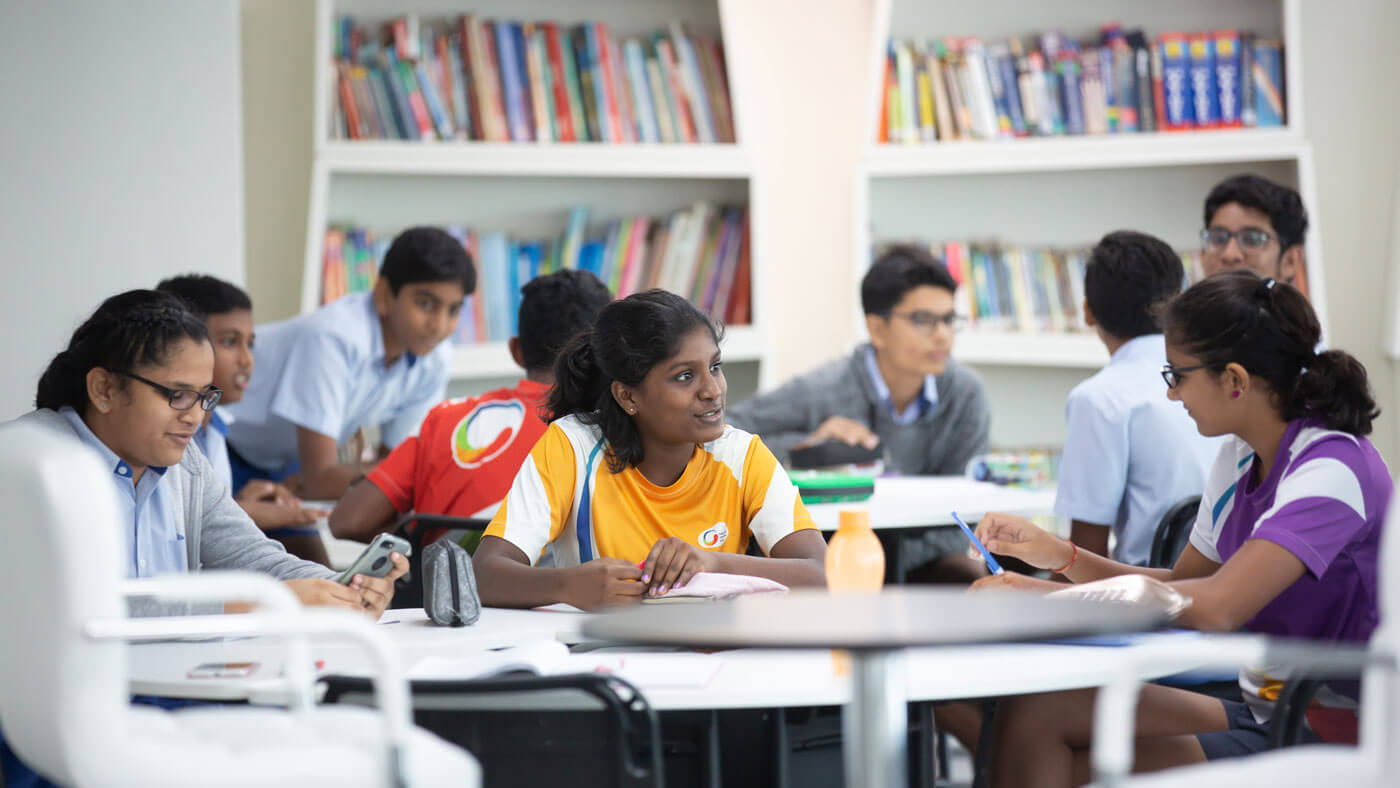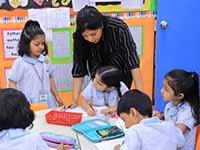
When Aisyah saw her son Danish greet a new classmate in Spanish and share stories about different cultures, she knew the international curriculum was already shaping him into a confident global citizen.
In today’s globalised world, laying the foundation for a solid early years education is important. For young learners, the early years form a critical period when their cognitive, emotional and social development reach their peaks. Choosing the right curriculum in early childhood education plays a significant role in shaping how a child learns, interacts with their environment and adapts to it. An international curriculum offers a modern, inclusive approach that supports a child’s formative years. Whether you’re exploring international kindergarten in Malaysia, considering private schools in Kuala Lumpur or researching IGCSE admission requirements, understanding the benefits of early education in the global landscape is the key.

What Is an International Curriculum?
An international curriculum refers to an educational framework that integrates best practices from around the world. It is mostly inquiry-based, learner-centred and culturally inclusive. Examples include the International Baccalaureate (IB) Primary Years Programme (PYP), the International Early Years Curriculum (IEYC), the Reggio Emilia approach and the Montessori curriculum. These programmes focus not only on academics but also on developing learners’ life skills, emotional intelligence and global awareness. At GIIS Kuala Lumpur, we have adopted international frameworks to ensure students receive a globally-aligned, yet locally rooted education from the start of their educational journey.
Benefits of Early Childhood Education under an International Curriculum
-
Holistic Development
One of the key benefits for early childhood education under an international curriculum is the focus on well-rounded development. Young learners are not just taught to read and count, but are also nurtured in a way that fosters emotional regulation, social skills, creativity and physical health. Through structured play, music, art and mindfulness exercises, an international childhood curriculum helps build a well-rounded personality.
-
Global Perspective
An international curriculum fosters an appreciation for cultural diversity and global citizenship from a young age. Students learn to celebrate different traditions, cultures, perspectives and languages. This exposure greatly benefits students in multicultural settings such as Malaysia as it prepares them to be open-minded and empathetic—qualities that individuals need to excel in a globalised world.
-
Inquiry-Based Learning
Unlike traditional rote learning methods, international curricula often employ inquiry-based approaches. Children are encouraged to ask questions, explore and find answers on their own through hands-on experiences. This method promotes curiosity, problem-solving skills and a love for learning—vital parameters in effective early childhood education.
-
Language and Communication Skills
Most international programmes are delivered in English or bilingual formats. This approach enhances vocabulary, comprehension and communication skills. In Malaysia and other countries where multiple languages are spoken, this multilingual exposure gives children a linguistic advantage that benefits them in the future.
-
Adaptability and Critical Thinking
International curricula encourage children to adapt to new ideas, scenarios and challenges. Activities are thoughtfully designed to help develop both critical and creative thinking abilities. Children grow into adaptable learners who can think independently—a much-needed quality in a fast-evolving world.
-
Smooth Transition to International Schools
For families looking to enrol their children in international primary or secondary schools, starting with an international early education curriculum ensures a smooth transition. The learning style, terminology and assessment methods will already be familiar, making future educational shifts much smoother. This also aligns with IGCSE admission requirements, where students are expected to have a strong foundation for both academics and linguistics.
-
Parental Engagement and Transparency
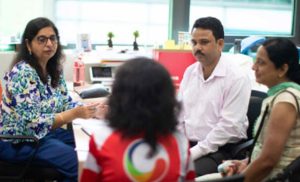
International early education programmes often promote collaboration between parents and educators. With regular updates, parent-teacher meetings, digital portfolios and real-time feedback, families stay involved in their child’s learning journey. This transparency fosters trust and helps parents get actively involved in their child’s developmental journey.

Top Reasons Why the International Curriculum Course Matters in Early Education
Future Readiness: It equips children with 21st-century skills such as collaboration, communication and innovation.
Mobility: For expatriates or frequently relocating families, an international curriculum ensures continuity and recognition across countries.
Inclusive Learning: Accommodates diverse learning styles and needs, making it more personalised and effective.
Academic Rigor and Flexibility: Balances high standards with creative freedom, making learning both effective and enjoyable.
Character Building: Instils the values of respect, empathy and global responsibility.
Comparing International vs. Traditional Curriculum: What’s Best for Your Child?
Traditional curricula often follow a structured, examination-based model with a focus on memorisation. While this may work for some learners, it often lacks the flexibility, creativity and real-world application found in international models.
| Feature | Traditional Curriculum | International Curriculum |
| Learning Style | Teacher-led, exam-focused | Student-centred, inquiry-based |
| Assessment | Standardised tests | Continuous, project-based |
| Subject Integration | Fragmented | Thematic and interdisciplinary |
| Skill Development | Academic-centric | Holistic (academic + life skills) |
| Cultural Exposure | Limited | Global and inclusive |
| Language Options | Usually single-language | Bilingual or multilingual |
Ultimately, the best curriculum in early childhood education depends on your child’s personality, learning style and future goals. However, the international curriculum offers a robust foundation that aligns well with the demands of the modern world.
The early years lay the groundwork for a lifetime of learning. Investing in a well-designed, globally focused early childhood curriculum gives your child a head start—not just academically, but socially, emotionally and culturally. Whether you’re enroling your child in an international kindergarten in Malaysia, exploring private schools in Kuala Lumpur or preparing for IGCSE admission requirements, the international approach ensures your child is ready to thrive in an interconnected world. Schools, such as GIIS KL, exemplify this vision by offering internationally recognised programmes that nurture curiosity, confidence and cultural awareness from day one.
Also Read: Virtual International School is the Future of Education
Final Thoughts
The benefits of early education under an international framework are far-reaching. From promoting independent thinking to fostering global citizenship, this approach represents a forward-thinking model that prepares children not just for school but for life. In a rapidly changing educational landscape, giving your child a globally enriched, compassionate and well-rounded start might be the most valuable gift you can offer. We, at GIIS KL, are always ready to address your queries and support you through the admissions process. Drop a comment or write to us to learn more.