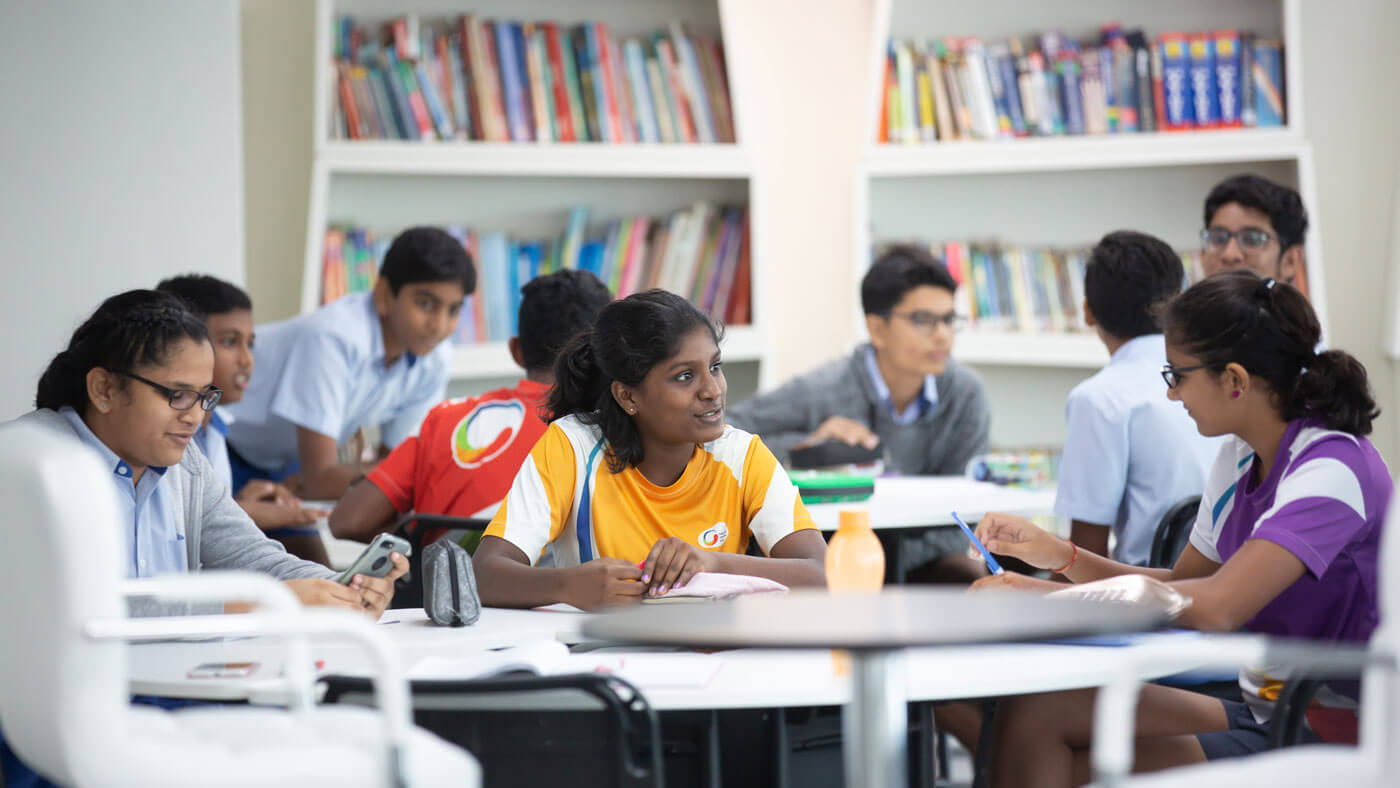
In today’s rapidly evolving educational landscape, adaptive learning is emerging as a game-changer for students seeking meaningful, personalised experiences rather than a “one size fits all” approach. In this blog, we explore what is adaptive learning, its many benefits of adaptive learning and share examples of adaptive learning in practice—while also examining how it serves students in contexts such as an international kindergarten in Malaysia, private schools in Kuala Lumpur, and programmes with IGCSE admission requirements.
What is Adaptive Learning?
Adaptive learning refers to instructional systems that dynamically adjust content, pace, path, and resources according to each student’s input, performance and needs. In contrast to traditional classroom models that present the same material to all students, adaptive learning systems respond in real time: if a student quickly grasps a concept, the system advances them; if a student struggles, the system offers extra scaffolding or alternative explanations.
Underlying technologies may include artificial intelligence, machine-learning algorithms, data analytics and real-time assessment tools. Thus, adaptive learning puts the student at the heart of the learning journey—tailoring the pathway rather than expecting all learners to conform to a fixed trajectory.

Examples of Adaptive Learning
Here are some concrete adaptive learning examples to illustrate how the concept plays out:
- Digital platforms, such as language-learning apps (e.g., a system that notices repeated errors in vocabulary and offers additional drills), are classic cases of adaptive learning in action.
- In K-12 and private school settings, adaptive modules might allow students in a mathematics class to skip over proficiency in basic arithmetic and move directly to more challenging topics if they demonstrate readiness, while others receive targeted reinforcement.
- At institutions such as GIIS KL, adaptive-learning-friendly frameworks may be embedded within the curriculum: for example, personalised homework or learning-platform tasks that adjust to each student’s performance, thereby supporting differentiated learning in a diverse classroom environment.

Key Benefits of Adaptive Learning for Students
When exploring the benefits of adaptive learning for students, several stand out:
1. Personalised Learning Experiences
Adaptive learning allows each student to progress at their own pace, targeting their individual strengths and gaps. This deep personalisation helps learners feel seen, supported and appropriately challenged.
2. Improved Engagement and Motivation
When students work at a pace suited to them, with immediate feedback and relevant tasks, engagement increases. They are less likely to be bored (if the content is too easy) or frustrated (if the content is too hard).
3. Better Knowledge Retention & Mastery
Because adaptive systems identify and fill knowledge gaps before moving on, students build stronger foundations and retain what they learn more deeply. This is especially important in high-stakes programmes such as the International General Certificate of Secondary Education (IGCSE) pathway, where conceptual understanding matters.
4. Time Efficiency & Flexibility
Students don’t waste time repeating material they already know—they can swiftly move ahead. Meanwhile, they receive additional support where needed. That makes for efficient use of study time—a boon for those balancing multiple subjects, extracurriculars or transitions from international kindergarten in Malaysia to private secondary schools in Kuala Lumpur.
5. Support for Diverse Learners
In classrooms with varied learning styles, backgrounds or readiness levels—such as an international kindergarten in Malaysia or a multi-national cohort at a private school in Kuala Lumpur—adaptive learning provides individual pathways that accommodate diversity in learning needs.
6. Data-Driven Insights for Educators
Adaptive systems generate rich data on student progress, enabling teachers to intervene proactively, personalise instruction and monitor growth. This helps schools deliver targeted support at the right time.
Adaptive Learning for Students in International Schools
For families looking at an international kindergarten in Malaysia progressing into private schools in Kuala Lumpur and eventually preparing for IGCSE, adaptive learning has particular relevance. At GIIS KL, we apply modern pedagogies and technologies to support learners through early years, primary and secondary levels. With varied student nationalities and backgrounds, adaptive learning tools help ensure every child can be challenged or supported appropriately. Moreover, ensuring readiness for programmes such as IGCSE means students benefit from tailored instruction—so when admissions teams evaluate IGCSE admission requirements, they often look for evidence of strong foundational learning and independent learner skills—areas that adaptive learning helps develop.
By choosing a school that emphasises personalised, data-informed learning pathways and invests in adaptive learning systems, families gain confidence that their child is prepared for global curricula and stepping up to the rigour of IGCSE and beyond.
Also Read: Virtual International School is the Future of Education
Final Thoughts
In short: adaptive learning is more than just a technological buzzword—it is a powerful pedagogical shift towards truly personalised education. For students, the advantages are clear: tailored progression, improved engagement, stronger retention, efficient use of time and better support for individual learning paths. When you evaluate schools—whether you’re looking at an international kindergarten in Malaysia or a private school in Kuala Lumpur offering IGCSE pathways—look for evidence of adaptive learning workflows, data-driven teaching and personalised student pathways.
If you’re seeking a school that embraces these future-focused practices, consider GIIS KL. With its global minded curriculum, modern facilities and commitment to holistic learner-centred education, GIIS KL offers a learning environment where adaptive learning for students is not just a concept—but an experience.
Ready to explore how your child can thrive in a personalised adaptive learning environment at GIIS KL? Schedule a campus visit or arrange a consultation with our admissions team today. Unlock your child’s potential through education that’s tailored uniquely to your child’s journey.