This article narrates:
- Primary schools in Malaysia serve as the foundational stage of formal education, typically covering six years from age 7–12 for national schools, while international schools may begin earlier.
- Understanding “what is primary school” means recognising their role: building literacy, numeracy, social skills and the habits of lifelong learning.
- The importance of primary education lies in its significant impact on academic readiness, self-confidence and future pathways.
- There are different types of primary schools in Malaysia: national (Sekolah Kebangsaan), vernacular (SJKC/SJKT), and private/international schools offering varied curricula.
- For parents exploring options, institutions such as Global Indian International School Kuala Lumpur (GIIS KL) combine strong academic programmes, international curriculum choice and holistic development in a primary education setting.
For families researching international schools in Kuala Lumpur, primary education is often viewed as a critical bridge between early learning and later academic stages. Many parents begin comparing options from kindergarten in Kuala Lumpur, focusing on how well schools prepare children for structured learning in the primary years.
Everything You Need to Know About Primary Schools (in Malaysia)
Choosing the right primary school is one of the most important decisions parents make. It’s the start of a formal educational journey and sets the tone for years to come. In Malaysia, primary schooling has its own structure, opportunities and challenges. This guide helps unpack the essentials: what primary schools are, why primary education matters, types of schools available, and how to evaluate them—using GIIS KL as a real-world example of what a well-rounded international primary school can offer.
Primary schooling does not exist in isolation. It builds directly on early years learning and sets the academic and behavioural foundation required for a smooth transition into high school, making the quality of primary education especially important for long-term success.

What Are Primary Schools in Malaysia?
In Malaysia, primary education in Malaysia refers to the first stage of mandatory formal schooling. There are a few key characteristics:
- Typically begins at age 7 and runs for six years (Standards 1–6) in the national school system.
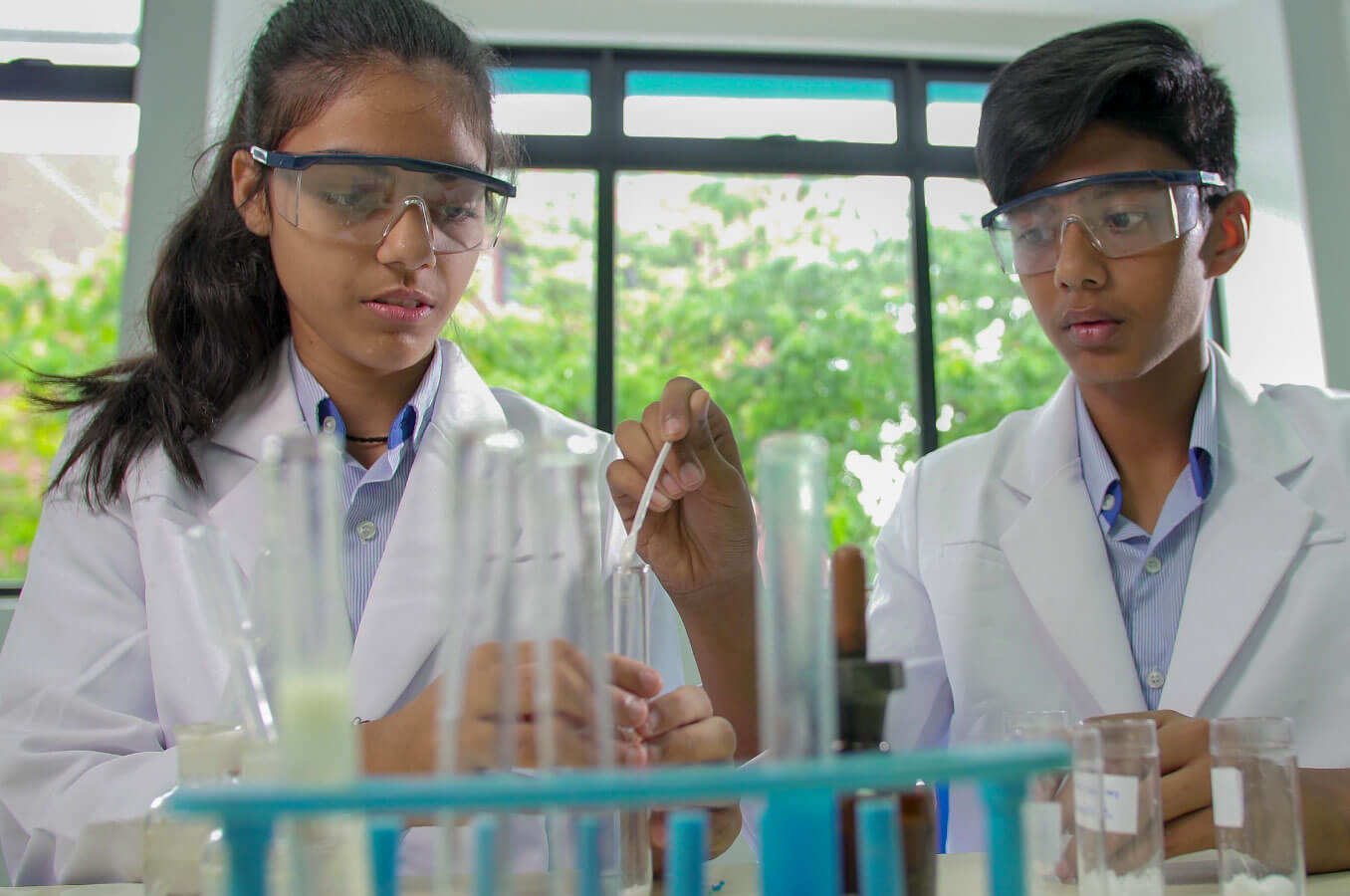
- Builds foundational skills: reading, writing, arithmetic, basic science, social studies and moral/values education.
- For private or international primary schools, age of entry may vary (sometimes from age 5 or 6) and curriculum may differ. For example, GIIS KL offers primary schooling as part of its international offering.
- The aim is to prepare children for secondary education, while also fostering social, emotional and cognitive development.
Understanding ‘what is primary school’ means recognising this first stage as much more than “just the first six years”—it’s the foundation on which students grow their academic habits, social skills and love of learning.
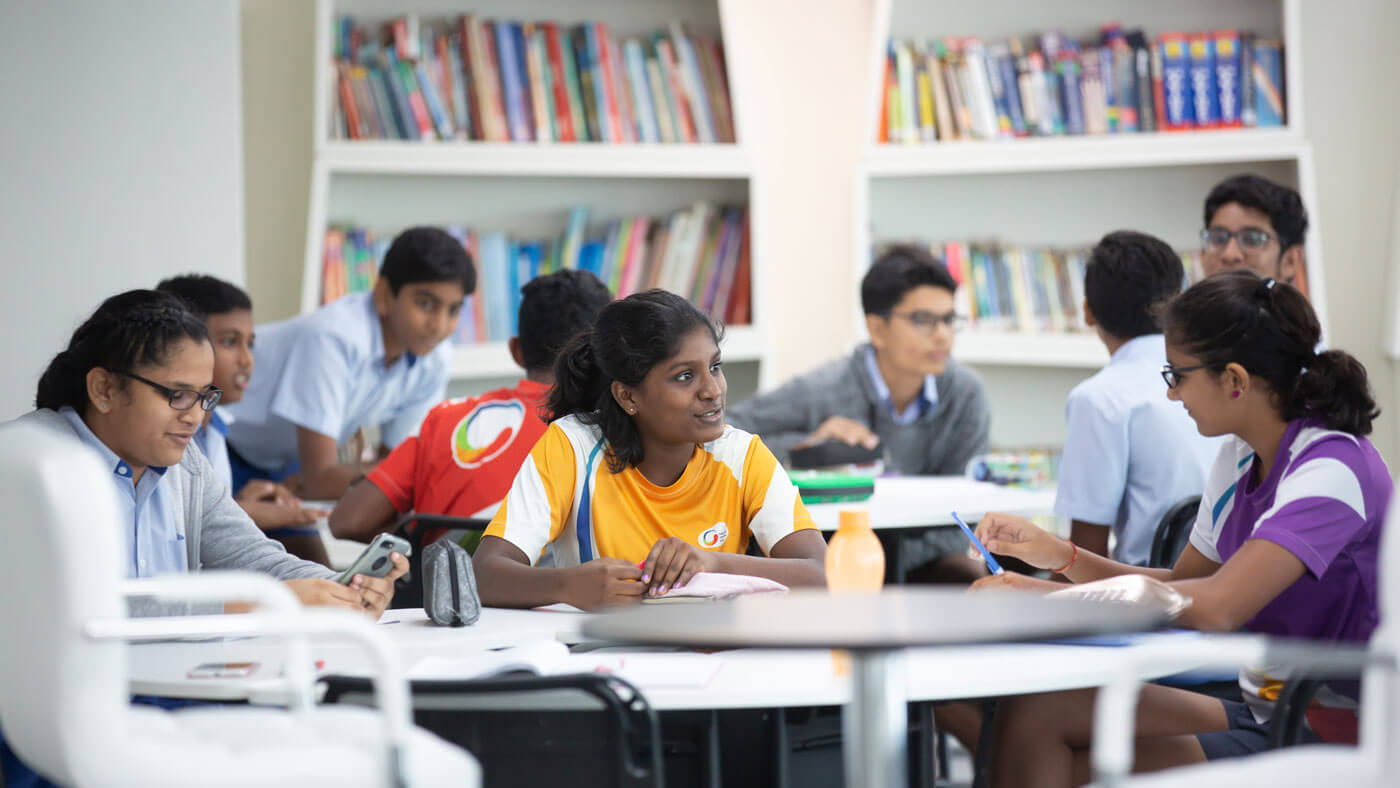
Across many international schools in Kuala Lumpur, primary programmes are designed to balance academic rigour with social and emotional development, ensuring children are well prepared not only for assessments but also for future learning stages.
The Importance of Primary Education
Why does it matter so much? Consider the following:
- Early success: Children who master foundational skills in primary school are more likely to perform well later.
- Confidence & attitude: Positive experiences in primary school build self-belief, curiosity and motivation.
- Long-term pathways: Early schooling opens up future choices—secondary school types, international curricula, extra-curricular engagement.
- Equity & opportunity: Quality primary education helps bridge divides, giving children from diverse backgrounds the chance to thrive.
In the Malaysian context, the national curriculum emphasises universal access to primary schooling, recognising its importance of primary education for national development. That means parents have a wide array of choices, making careful selection essential.
At GIIS KL, the primary programme emphasises more than academics: Children are supported to develop confidence, curiosity and global outlook, as part of the 9GEMS framework.

Types of Primary Schools in Malaysia
When exploring primary schools in Malaysia, parents will encounter different school types:
- National schools (Sekolah Kebangsaan – SK): Government-funded, primarily Malay medium, follow national curriculum.
- National-type schools (SJKC/SJKT): Government-funded but Chinese or Tamil medium, following national curriculum.
- Private and international primary schools: Fee-paying institutions that offer international curricula (Cambridge, IB, CBSE, American etc).
International primary schools are especially popular among expatriates and Malaysian families seeking global programmes. For example, GIIS KL offers dual curricula (Cambridge & CBSE) and a global environment.
Parents should consider: curriculum offered, teacher quality, class size, campus facilities, language of instruction, extra-curricular activities, and how well the school supports children transferring into secondary education.
What to Look for in a Good Primary School
Here are some helpful indicators for choosing a strong primary school:
Curriculum & Learning Approach
- Clear, recognised curriculum (national or international).
- Balanced focus on literacy, numeracy, inquiry, creativity and social-emotional skills.
- For international schools: evidence of strong pathways and global perspectives. At GIIS KL, for example, primary students begin a “globally-recognised education” blending academics and holistic skills.
Environment & Student Experience
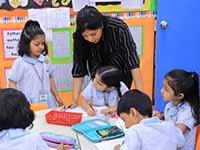
- Safe, nurturing, inclusive culture
- Qualified and caring teachers
- Small class or well managed teacher-student ratio
- Strong community and parent engagement
Extra-Curricular and Holistic Development
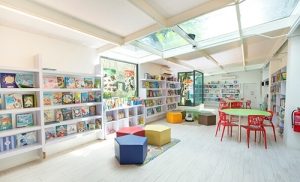
- Clubs, arts, sports, languages beyond the classroom. GIIS KL offers languages including French, Mandarin, Sanskrit, Hindi and more.
- Activities that build confidence, leadership and social skills.
Transition & Future Readiness
- How the school supports transitions into secondary level.
- Clear pathway and choice of curricula for older years. GIIS KL’s website explains the continuity from primary into secondary.
Logistics & Practicalities
- Location, transport, fees, admission process. GIIS KL emphasises its convenient KL location, campus tours and transparent process.
Parents are encouraged to consider how well a primary school prepares students for the next academic stage. Clear pathways into high school, strong study habits and confidence-building experiences are indicators of a well-designed primary programme.
GIIS KL: A Leading Primary School in Malaysia
Let’s zoom in on how GIIS KL exemplifies many of the best features of a top primary school in Malaysia.
- Curriculum choice: GIIS KL offers the Cambridge Primary Programme (CPP) and CBSE curriculum, giving families flexibility.
- Holistic development: The 9GEMS ™ framework emphasises nine areas of excellence, including universal values, leadership, innovation and arts.
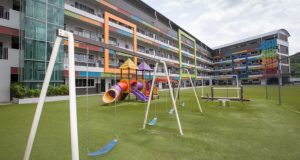
- Location and accessibility: The Brickfields campus, near Kuala Lumpur’s transit hub, makes it convenient for many families.
- Strong language support: Multiple languages are offered, supporting global readiness and diversity.
- Transparent admissions and support: The school provides detailed information about levels, facilities, curriculum and student development.
For parents seeking a primary school in Malaysia with an international perspective, strong structure and holistic vision, GIIS KL is a compelling option.
Also Read: Virtual International School is the Future of Education
Final Words
Choosing the right primary school sets the trajectory for your child’s academic journey and personal growth. When you look at primary schools in Malaysia, you’re choosing more than a location or a curriculum—you’re shaping a culture of learning, curiosity and resilience. The importance of primary education cannot be overstated: it’s where children learn to read, question, collaborate and become lifelong learners.
As you compare types of primary schools, consider options that combine academic rigour with global outlook and holistic development. GIIS KL demonstrates how a primary education in Malaysia can deliver both strong foundations and future-ready skills.
Ready to explore primary schooling options for your child? Schedule a tour of our Brickfields campus and see how our primary programme could be the right start for your child’s learning journey.
FAQs
1. What are primary schools in Malaysia?
Primary schools in Malaysia are educational institutions for children around ages 7–12 (national system) or younger in international settings. They lay the academic and personal foundation for all future schooling.
2. What is the importance of primary education?
Primary education is vital because it builds early literacy and numeracy, shapes attitudes, supports confidence and paves the way for successful secondary and tertiary education.
3. What types of primary schools are there in Malaysia?
There are government-funded national schools (SK), vernacular government schools (SJKC/SJKT), and private/international schools offering international curricula. Each type suits different needs and families.
4. How do I choose the right primary school for my child?
Look at curriculum offered, teaching quality, extra-curricular life, campus environment, pathway into the future, location and cost. Visit the school, talk to teachers, and observe how children learn, play and grow.
5. Why consider GIIS KL for primary schooling?
GIIS KL provides a dual-curriculum option (Cambridge and CBSE), emphasises holistic development via the 9GEMS ™ framework, offers a diverse, global environment and supports strong transitions into secondary schooling—all key for a well-rounded primary education in Malaysia.
When comparing options among international schools in Kuala Lumpur, families often prioritise schools that offer continuity, ensuring students move confidently from primary years into secondary education with strong academic foundations and adaptable learning skills.