If you’ve ever seen students explain ideas to each other, solve problems in small groups, or swap roles as “mini-teachers,” you’ve witnessed peer learning in action. At its core, peer learning is an approach where learners support one another to build understanding, practise skills, and reflect on progress—often with structured roles and goals rather than loose group work. Research shows that well-designed peer activities can improve achievement, motivation, and social skills across ages and subjects.
What is Peer Learning?
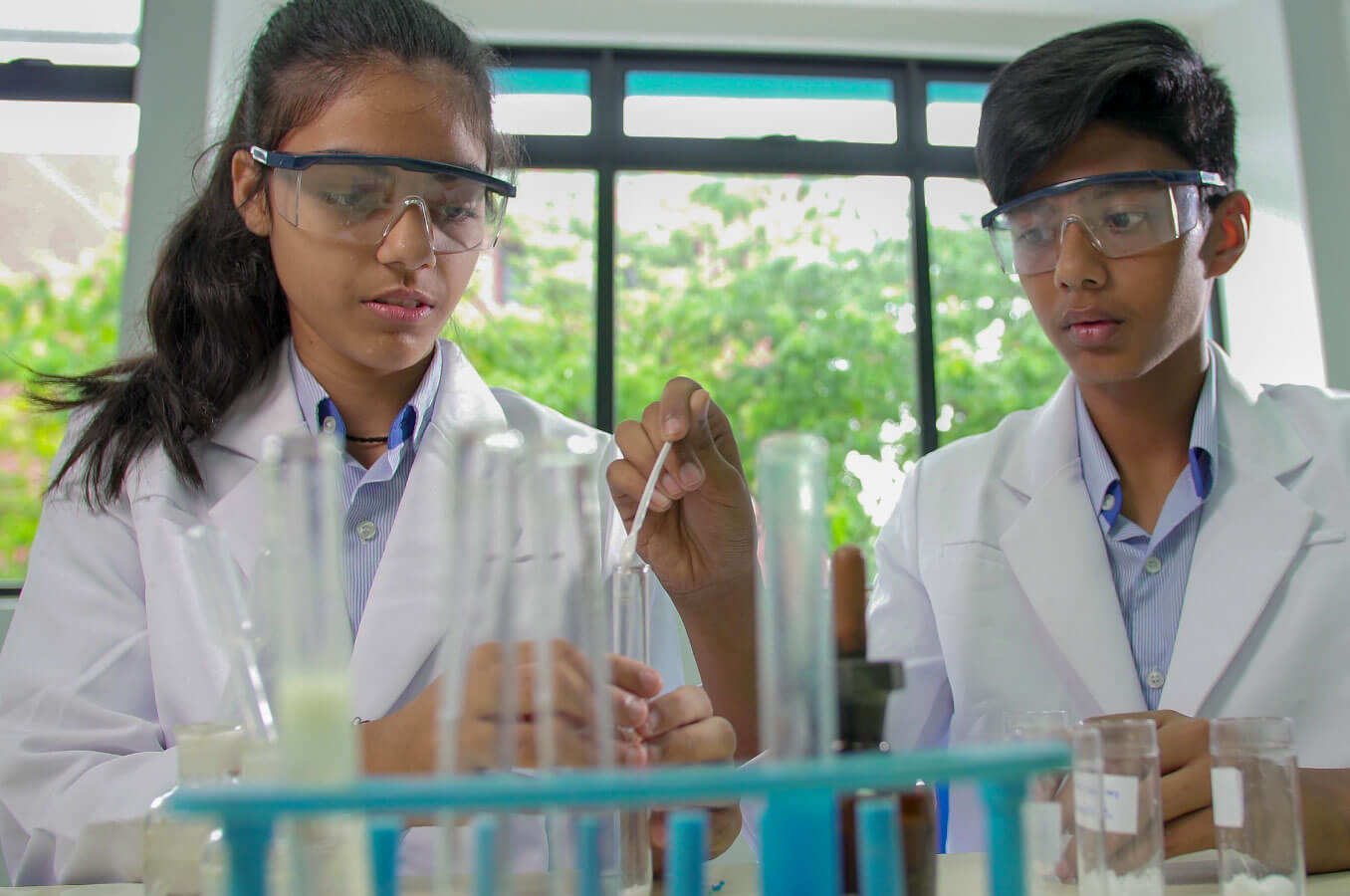
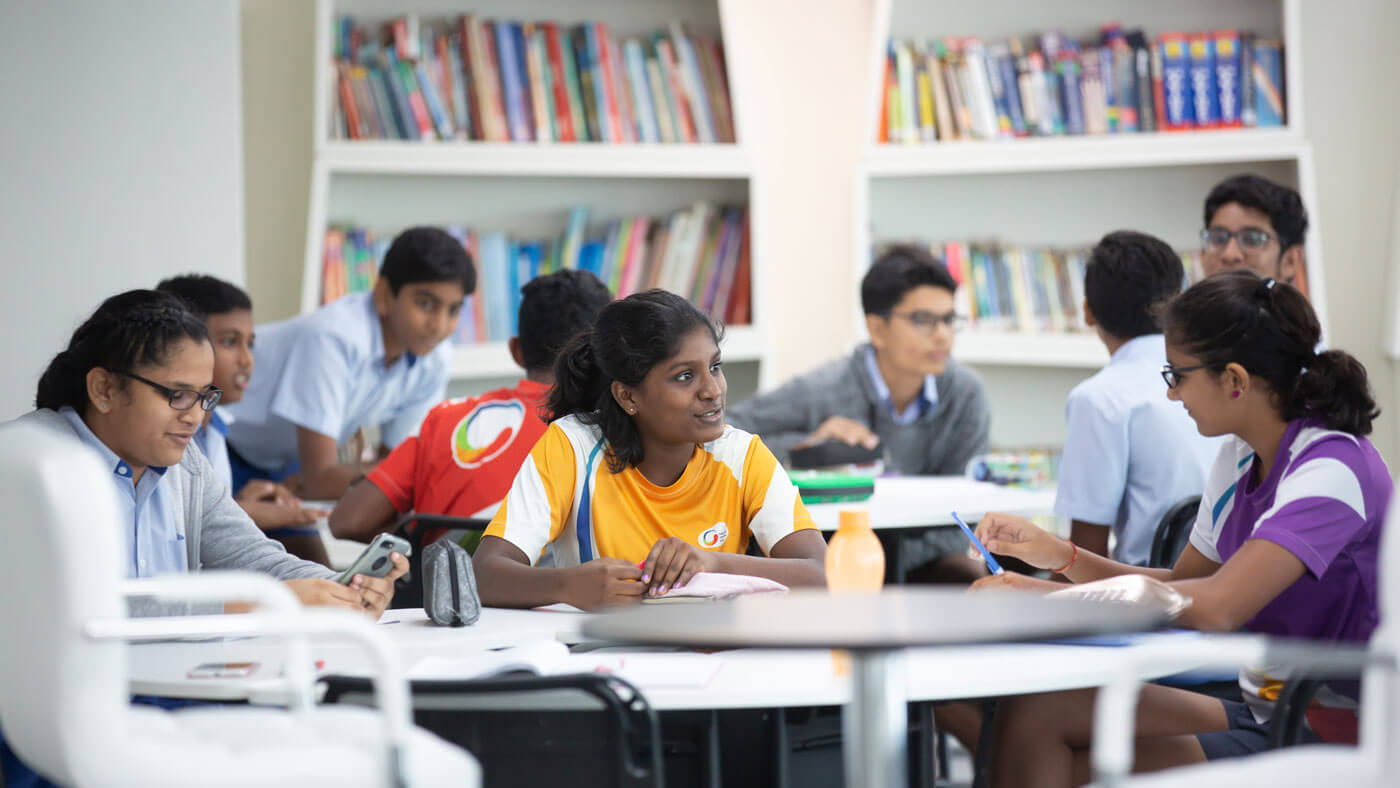
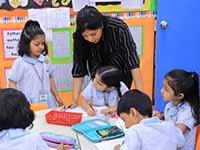
Peer learning involves students working in pairs or small teams to reach shared academic goals. Unlike unstructured group tasks, effective peer learning sets clear objectives, assigns roles (e.g., explainer, questioner, summariser), and uses tasks that require cooperation. This structure is what makes peer learning different from “just working together.”
Another common format is peer instruction, where learners first think individually about a question, then discuss with a partner, and finally answer again. Studies report consistent learning gains from this cycle because discussion helps students surface misconceptions and refine reasoning.

Types of Peer Learning
When schools ask about the types of peer learning, they usually mean the frameworks below. Each can be adapted from early years through secondary and even higher education.
- Cooperative learning
Small teams work on a shared goal with individual accountability (each member has a role or sub-task). It’s deliberately structured and distinct from free-form group work. - Collaborative learning
Learners co-construct understanding by debating, negotiating, and building on each other’s ideas—often on open-ended tasks. - Peer tutoring (including reciprocal tutoring)
One student (or a rotating pair) takes the role of tutor to explain concepts and give feedback; roles can switch so both practise teaching and learning. Research over several decades highlights its effectiveness when routines and materials are well scaffolded. - Peer instruction
Popular in science and maths: pose a conceptual question → vote individually → discuss with a peer → revote. Gains come from comparing explanations and correcting misconceptions. - Think-Pair-Share and Jigsaw
Classic routines where students first generate ideas alone, then discuss in pairs or expert groups, and finally teach teammates. These are staples within cooperative/collaborative learning families.

What are the Benefits of Peer Learning?
The benefits of peer learning beyond engagement are listed below:
- Higher attainment and deeper understanding
Structured peer approaches (especially cooperative tasks and tutoring) tend to produce small-to-moderate gains in test performance and conceptual grasp compared with solo study.
- Stronger reasoning and metacognition
The explain-discuss-revote cycle in peer instruction helps students test hypotheses, articulate thinking, and resolve misconceptions.
- Social and communication skills
Learners practise questioning, active listening, and giving/receiving feedback—skills that transfer beyond the classroom. University and school guides note benefits for belonging and transition, especially for new cohorts.
- Positive use of diversity
Differences in ability and perspective become assets when activities are well structured; mixed-attainment groups can outperform like-for-like pairings in some settings.
How Schools Put Peer Learning to Work
Quick routines to try:
- Exit-ticket peer tutoring: Students pair up to teach one learning target for two minutes each.
- Jigsaw reading: Each group member becomes an “expert” on one subtopic, then teaches it back to the team.
- Error analysis exchange: Pairs swap solutions and write hints (not answers) for improvement.
Guides for designing peer tasks recommend: (1) explicit roles, (2) accountable talk stems/questions, (3) success criteria and (4) short cycles of practice and feedback.
Peer Learning in Malaysian Contexts & Why It Matters for Schools
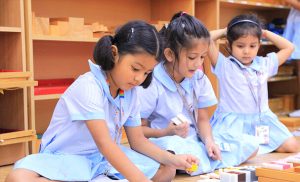
Parents searching for an international kindergarten in Malaysia or comparing private schools in Kuala Lumpur will find that many early-years and primary programmes (e.g., EYFS, Montessori, Reggio-inspired settings) naturally embed peer interaction through centre-based play, enquiry corners, and collaborative projects. Several KL international preschools publicly highlight these approaches, which align well with peer learning principles such as guided collaboration and role-play.
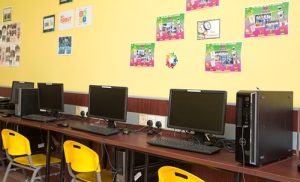
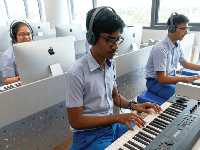
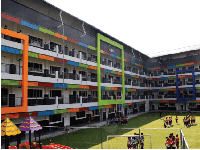
For instance, at Global Indian International School Kuala Lumpur (GIIS KL), the early years through to secondary levels provide structured curricula such as Global Montessori Plus (GMP) and Cambridge or CBSE frameworks, within which peer-learning opportunities are embedded with modern classrooms and collaborative tasks. GIIS KL’s “9GEMS” holistic development framework emphasises innovation, leadership, collaboration and community; this ties neatly into peer-learning environments where students learn with and from one another.
As you evaluate options among private schools in Kuala Lumpur, look for features such as: small class sizes, designated peer-interaction time, teacher-facilitated peer-learning structures and monitored group tasks. These are signs that peer learning isn’t an afterthought but a planned part of the curriculum.
IGCSE Admission Requirements: Where Peer Learning Fits
For families eyeing the Cambridge pathway, here’s how IGCSE admission requirements typically look in Malaysia (specifics vary by school):
- Age/grade placement aligned to Year 9–11 entry points.
- Previous school reports/transcripts and conduct records.
- Placement tests (often English and Mathematics) to determine readiness and support needs.
- English proficiency evidence or an internal assessment where relevant.
- Documents such as passport, photos and immunisation records.
Always check the exact list with your chosen school’s admissions team.
Also Read: Virtual International School is the Future of Education
Final Thoughts
Peer learning isn’t a single method; it’s a family of structured strategies that make students active co-creators of understanding. When you evaluate a classroom—or choose an international kindergarten in Malaysia or a secondary programme in a private school in Kuala Lumpur —look for intentional structures: clear roles, purposeful talk, accountability, and frequent reflection. Decades of research suggest these ingredients make collaboration a powerful accelerator of learning, not just a feel-good activity.
If you’re exploring a school in Kuala Lumpur where peer-learning principles meet high academic standards and holistic development, consider GIIS KL. With its global curricula (Montessori, Cambridge IGCSE, CBSE), modern facilities, and a philosophy that emphasises collaboration, leadership and global citizenship, GIIS KL stands out. Take a campus tour, speak to the admissions team about how peer learning is embedded in their programmes, ask for examples of group tasks, and see how students engage with each other in real time.
Ready to learn more? Visit GIIS our website, boo7 a campus tour or arrange a counselling meeting today and discover how your child can thrive in a peer-enabled learning environment at GIIS Kuala Lumpur.