Childhood foundational years play a key role in shaping a child’s future. This period is characterised by brain development with experiences influencing a child’s emotional and social skills.
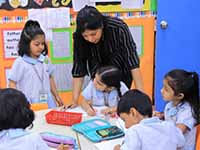
Understanding the importance of these years, Global Indian International School (GIIS) has two early childhood educational programmes to offer – IB Early Years as part of the IB PYP programme, and Global Montessori Plus (GMP) programme – both foster holistic development in young minds. Through a supportive environment, kindergarten education at GIIS enables children to discover, learn and progress at their pace.
Let’s explore ways for parents to assist their children in learning during this stage.
Understanding Early Childhood Development
Early childhood growth involves interactions among physical, cognitive, emotional and social aspects. Children at this phase are akin to sponges absorbing knowledge and mastering abilities daily. GIIS structures its curriculum based on the findings in childhood growth. By promoting a play-based learning environment, GIIS fosters exploration, curiosity and analytical thinking. As an international school focused on child development, GIIS ensures that children gain academic knowledge and cultivate vital life skills, like communication, teamwork and problem solving.
Stages of Early Childhood Development
Understanding the phases of a child’s growth in childhood is crucial for parents to provide effective support for their learning journey. These stages offer insights into the progress and achievements children reach.
Toddlerhood (2-3 years)
This is a period of rapid physical and cognitive growth. Toddlers become increasingly independent, exploring their environment with boundless curiosity. They develop basic language skills and begin to understand simple instructions. At GIIS, for ages 3 and above, focus is on fostering gross motor skills, language development, and social interactions through play-based, inquiry-driven learning.
Preschool (3-6 years)
During preschool age, children’s cognitive abilities expand rapidly. They become imaginative, engaging in pretend play and developing social skills. Language skills flourish, and they begin to understand concepts like numbers, shapes, and colours. GIIS preschool curricula options emphasise cognitive development, creativity, and social-emotional learning through a balance of structured and free play activities. By recognising these developmental stages, parents and caregivers can tailor their support to match their child’s needs, fostering growth and learning.
Key Milestones in Cognitive, Emotional, and Social Development
The early years are a period of remarkable growth and development, laying the foundation for a child’s future. Understanding key milestones in cognitive, emotional, and social development is crucial for providing appropriate support and stimulation.
1. Cognitive Development
This encompasses thinking, learning, and problem-solving skills. Young children develop curiosity, memory, and attention span rapidly. They begin to understand cause and effect relationships, sort objects, and follow simple instructions. Language skills expand significantly, enabling them to communicate their needs and thoughts effectively.
2. Emotional Development
Building emotional intelligence is essential for healthy relationships and overall well-being. Children learn to recognise and express their emotions, developing empathy and self-regulation. They begin to understand social cues and respond appropriately, forming attachments with caregivers and building trust.
3. Social Development
Interacting with others is fundamental for a child’s social and emotional growth. They learn to share, cooperate, and take turns. Play becomes increasingly interactive, fostering communication and collaboration. Building friendships and understanding social norms are essential steps in developing social competence.
Tips to Support Kids’ Learning in Early Years
1. Physical Development
Physical activity is crucial for a child’s overall development. It not only strengthens their bodies but also enhances cognitive and social skills.
a. Gross Motor Skills
These involve large muscle movements. Encourage your child to engage in activities like running, jumping, climbing, and dancing. Outdoor play, sports, and movement games are excellent ways to develop these skills.
b. Fine Motor Skills
These involve small muscle movements. Activities like puzzles, building blocks, drawing, and colouring help refine these skills.
2. Develop Routine
Establishing a consistent routine provides a sense of security and structure for young children. It helps them understand what to expect and fosters independence.
a. Balancing Structured Activities and Free Time
Create a balance between planned activities and unstructured playtime. Structured activities can include storytime, educational games, or art projects, while free play allows children to explore their creativity and imagination.
b. Setting Aside Regular Times for Learning and Play
Dedicate specific times for learning activities, such as reading books or singing songs. This helps children develop a positive association with learning.
3. Literacy
Developing strong early literacy skills is essential for a child’s future academic success. These foundational skills serve as building blocks for reading, writing, and communication. By fostering a love for reading from an early age, you can set your child up for a lifetime of learning.
a. Comprehension
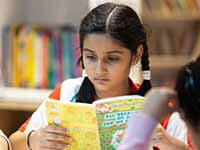
Reading aloud to your child regularly is a cornerstone of literacy development. Choose books with engaging stories and vivid illustrations. Discuss the characters, plot, and themes, encouraging your child to ask questions and make predictions.
b. Word Reading
Introduce your child to the world of letters and sounds through playful activities. Sing alphabet songs, point out letters in the environment, and play with rhyming words. These activities help build phonemic awareness, which is crucial for decoding words.
c. Writing
Encourage your child’s creativity by providing opportunities to scribble, draw, and write. This helps develop fine motor skills and fosters a sense of accomplishment.
4. Expressive Arts and Design
Encouraging creativity and imagination is vital for a child’s development.
a. Creating with Materials
Provide a variety of materials like paints, clay, and building blocks for your child to explore. Allow them to experiment and express themselves freely.
b. Being Imaginative and Expressive
Encourage pretend play and storytelling. This helps develop language skills, imagination, and social skills.
5. Promote Physical Activity
Regular physical activity is crucial for a child’s overall health and development. It not only strengthens their bodies but also enhances cognitive function, mood, and sleep quality.
a. Outdoor Play and Sports
Encourage your child to spend ample time outdoors engaging in various physical activities. Playing games like tag, hide-and-seek, or riding a bike are excellent ways to promote physical fitness and creativity.
b. Dancing and Movement Games
Incorporate dance and movement into your child’s routine. This can be through dance classes, following along to music videos, or simply having spontaneous dance parties. The key is to make physical activity fun and engaging for your child.
6. Engage in Hands-on Activities
Hands-on activities help children learn through exploration and experimentation.
a. Arts and Crafts
Provide opportunities for your child to engage in various art projects, such as painting, drawing, and collage.
b. Building and Construction Toys
Encourage your child to build with blocks, Lego, or other construction toys. This helps develop problem-solving and spatial reasoning skills. These tips are just a starting point. The most important thing is to create a loving and supportive environment where your child can thrive.
Conclusion
The early years of a child’s life are a critical period for development. By understanding the importance of early childhood learning and implementing these tips, parents and caregivers can create a nurturing environment that supports their child’s growth. Remember, every child is unique, so it’s essential to observe and respond to their individual needs.
GIIS provides a stimulating and supportive learning environment that fosters holistic development. By working together, parents and schools can create a strong foundation for a child’s lifelong success.
If you are keen to know more about GIIS’ Early Years programmes, please feel free to connect to our admissions counsellors.

Team GIIS
Team GIIS is a group of enthusiastic writers who bring the vibrant world of GIIS in Singapore to life through engaging blog posts. Dedicated to highlighting the school’s teaching methodology, innovative learning environment, and diverse curriculum options like IB, Cambridge and CBSE, they aim to connect with parents, educators and students, sharing insights and stories that inspire and inform the school community.