Choosing the right secondary school in Singapore involves balancing academic quality, curriculum options, future opportunities, and affordability. With multiple international curricula available, including CBSE, IGCSE, and IB, parents often compare tuition fees alongside campus facilities, learning approaches, and long-term value.
For the 2026–27 academic year, secondary school tuition fees in Singapore generally range between S$20,000 and S$50,000 annually depending on the curriculum, school reputation, facilities, and student support services offered.
Families exploring international secondary schools in Singapore should evaluate not only tuition costs, but also campus infrastructure, academic outcomes, extracurricular opportunities, and technology integration before making a decision.
This guide provides a transparent comparison of CBSE, IGCSE, and IB secondary school tuition fees in Singapore for 2026–27.
Estimated Annual Secondary School Fees in Singapore (2026–27)
| Curriculum | Grade Levels | Estimated Annual Fees (SGD) |
| CBSE | Grades 9–12 | S$18,000 – S$26,000 |
| IGCSE | Grades 9–10 | S$24,000 – S$35,000 |
| IB Diploma Programme | Grades 11–12 | S$32,000 – S$52,000 |
CBSE is generally considered one of the more cost-effective international curricula in Singapore, while the IB Diploma Programme typically commands premium tuition due to its extensive academic framework and university preparation focus.
Why Do Secondary School Fees Differ in Singapore?
Secondary school tuition fees in Singapore vary based on several important factors:
1. Curriculum Framework
International curricula such as IB and IGCSE often require specialised teacher training, international accreditation, and external examination systems, which can increase costs.
2. Campus Facilities
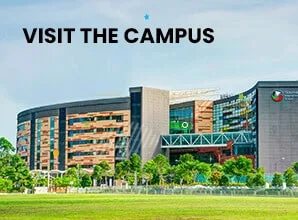
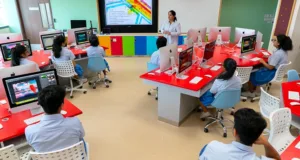
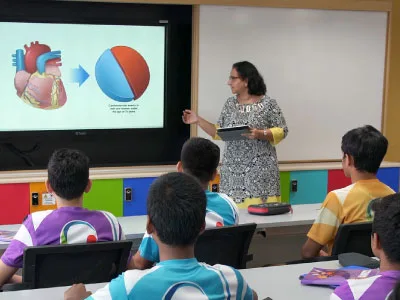
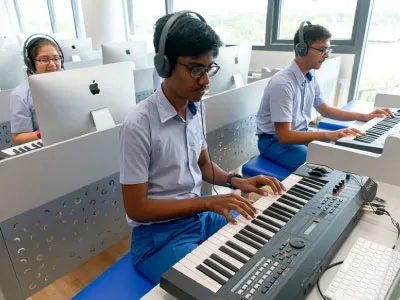
Modern international schools invest heavily in SMART classrooms, innovation labs, sports infrastructure, libraries, and performing arts facilities.
3. Teacher-Student Ratio
Schools with smaller class sizes and personalised learning support typically have higher operational costs.
4. Technology Integration
Digital classrooms, robotics programmes, AI learning tools, and mandatory device programmes contribute to annual fees.
5. Extracurricular Opportunities
Holistic learning models with sports, leadership programmes, arts, entrepreneurship, and global exposure activities can significantly influence tuition pricing.
6. International Accreditations & University Counselling
Premium schools offering dedicated university guidance and globally recognised certifications often charge higher fees.
CBSE Secondary School Fees in Singapore
CBSE schools in Singapore remain popular among families seeking academically rigorous yet comparatively competitive international education.
For the 2026–27 academic year, CBSE secondary school fees typically range between S$18,000 and S$25,000 annually.
Estimated CBSE Fee Structure
| Grade Level | Curriculum | Estimated Annual Fee (SGD) |
| Grades 9–10 | CBSE | S$18,000 – S$22,000 |
| Grades 11–12 | CBSE | S$20,000 – S$25,000 |
CBSE is particularly valued for its structured academic framework, STEM-focused curriculum, and strong preparation for competitive university entrance examinations.
Benefits of Choosing CBSE in Singapore
● Strong focus on Mathematics and Science
● Widely recognised by universities globally
● Structured curriculum with consistent assessment models
● Competitive fee structures compared to several Western curricula
● Suitable for students planning higher education in India, Singapore, UK, or other global destinations
Schools such as Global Indian International School, Singapore offer CBSE education alongside modern learning environments, helping parents access internationally benchmarked education with comparatively competitive tuition fees.
IGCSE Secondary School Fees in Singapore
IGCSE schools in Singapore generally charge between S$24,000 and S$35,000 annually for secondary grades.
The Cambridge IGCSE programme is widely recognised for its international academic flexibility and subject choices, making it a preferred pathway for students considering IB Diploma, A-Levels, or overseas university education.
Estimated IGCSE Fee Structure
| Grade Level | Curriculum | Estimated Annual Fee (SGD) |
| Grades 9–10 | IGCSE | S$24,000 – S$35,000 |
Factors Influencing IGCSE Costs
External Examination Fees: Cambridge assessment and examination fees are often billed separately from tuition.
Laboratory & Subject Costs: Science-intensive subjects may include additional lab or material charges.
Technology Programmes: Many international schools require students to use iPads or laptops as part of digital learning initiatives.
Campus Infrastructure: Schools offering advanced innovation labs, multimedia studios, and collaborative learning spaces may charge higher tuition.
Schools like GIIS Singapore combine international curricula with SMART Campus facilities, digital classrooms, and technology-enabled learning experiences while maintaining competitive fee structures for families seeking value-driven international education.
IB Diploma Programme Fees in Singapore
IB schools in Singapore generally charge between S$32,000 and S$52,000 annually for the IB Diploma Programme (IBDP).
The IB curriculum is recognised globally for its research-based learning approach, interdisciplinary education model, and strong emphasis on critical thinking, leadership, and university readiness.
Estimated IB Fee Structure
| Grade Level | Curriculum | Estimated Annual Fee (SGD) |
| Grades 11–12 | IB Diploma Programme | S$32,000 – S$52,000 |
Why Does the IB Curriculum Cost More?
Several factors contribute to the premium pricing associated with IB schools in Singapore:
● International accreditation requirements
● Extensive teacher training and certification
● Smaller classroom sizes
● Research-focused learning methodologies
● University counselling and global admissions support
● Mandatory CAS (Creativity, Activity, Service) components
● Extended Essay and Theory of Knowledge supervision
What Parents Receive for the Premium Fee
Families investing in the IB pathway often benefit from:
● Globally respected university preparation
● Inquiry-based and research-driven learning
● Holistic student development
● Strong communication and analytical skill development
● Internationally transferable qualifications
● Enhanced university admissions opportunities worldwide
Value-focused schools such as GIIS Singapore provide IB education within technology-enabled SMART Campuses that include innovation labs, robotics programmes, digital classrooms, and multicultural learning environments designed to prepare students for future-ready careers.
Hidden Costs Parents Should Know About
Beyond tuition fees, parents should account for several additional expenses when evaluating secondary school tuition fees in Singapore.
Common Additional Costs
Registration & Application Fees
One-time enrollment charges can range between S$500 and S$5,000.
Facility & Development Fees
Annual campus development contributions may apply separately from tuition.
Examination Fees
External examination boards such as Cambridge and IB often charge additional assessment fees.
Uniforms & Learning Materials
Books, uniforms, stationery, and sports kits can significantly increase annual education expenses.
Technology Devices
Some schools require students to purchase laptops or tablets for digital learning.
School Transport
Bus transportation fees may range between S$1,000 and S$6,000 annually depending on distance and route.
Meals & Field Trips
Cafeteria plans, overseas trips, excursions, and enrichment programmes are usually billed separately.
Parents comparing the best international schools in Singapore should always review the complete fee schedule beyond headline tuition numbers.
Why GIIS Singapore Offers Strong Value
GIIS Singapore has become a preferred choice among families seeking high-quality international education with balanced fee structures.
Rather than focusing solely on affordability, GIIS positions itself as a value-driven, future-ready international school offering globally benchmarked curricula supported by modern infrastructure and holistic student development.
Key Strengths of GIIS Singapore
SMART Campus Infrastructure
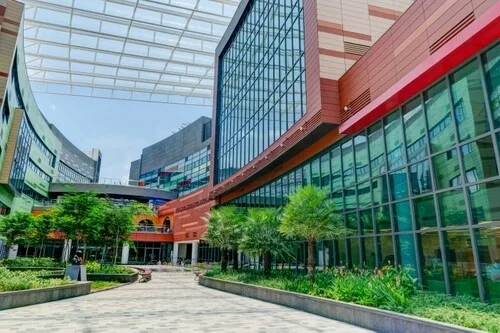
GIIS campuses feature digitally enabled classrooms, collaborative learning spaces, and advanced educational technology.
9GEMS Holistic Framework
The school’s proprietary 9GEMS model promotes balanced development across academics, sports, leadership, innovation, arts, entrepreneurship, and character building.
Innovation & Robotics Labs
Students gain exposure to STEM learning through robotics, coding, AI, and innovation-focused programmes.
Multicultural Learning Environment
GIIS hosts students from diverse nationalities, creating a globally connected educational ecosystem.
Strong Academic & University Outcomes
Students benefit from structured university counselling and pathways to leading universities worldwide.
Competitive International Curriculum Fees
GIIS combines internationally benchmarked curricula with modern SMART Campus facilities at comparatively competitive fee structures.
How to Choose the Right Curriculum
Selecting between CBSE, IGCSE, and IB depends on a student’s learning style, university goals, and long-term academic plans.
CBSE May Be Ideal If:
● Students prefer structured academic learning
● Families seek comparatively moderate tuition fees
● Students may pursue Indian competitive examinations
IGCSE May Be Suitable If:
● Students want greater subject flexibility
● Families prefer internationally recognised assessment models
● Students may transition into IB or A-Level pathways
IB May Be Best If:
● Students thrive in inquiry-based learning environments
● Families prioritise global university preparation
● Students enjoy research, presentations, and interdisciplinary learning
Parents should compare curriculum philosophy, learning support, extracurricular opportunities, and campus infrastructure alongside tuition fees before making a decision.
Final Thoughts
Families exploring secondary school education in Singapore should compare not only tuition fees, but also curriculum quality, student support, campus infrastructure, and future learning opportunities.
While CBSE, IGCSE, and IB each offer unique advantages, the right choice ultimately depends on a student’s academic goals, learning preferences, and long-term aspirations.
With its balanced approach to innovation, holistic education, and competitive international curriculum fees, GIIS Singapore continues to be a preferred choice for parents seeking value-driven international education in 2026–27.
FAQs
What is the average cost of CBSE secondary education in Singapore for 2026?
The average CBSE secondary school tuition fee in Singapore for Grades 9–12 typically ranges between S$20,000 and S$24,000 annually, excluding registration and miscellaneous charges.
Which is cheaper in Singapore: IGCSE or IB?
IGCSE is generally less expensive than the IB Diploma Programme. IGCSE secondary school fees usually range between S$24,000 and S$35,000 annually, while IB fees often range from S$32,000 to S$52,000.
Are there affordable international schools in Singapore?
Yes. Several international schools in Singapore offer comparatively competitive fee structures, particularly for CBSE and selected IGCSE programmes.
What are the hidden costs of international secondary schools in Singapore?
Common additional expenses include uniforms, transportation, examination fees, learning devices, school meals, field trips, and annual facility fees.
When should parents apply for the 2026–27 academic year?
Most international schools in Singapore follow rolling admissions. However, parents are advised to apply at least 6–9 months in advance to improve admission opportunities and secure preferred intake periods.
Why do IB schools in Singapore charge higher fees?
IB schools typically invest heavily in specialised teacher training, smaller class sizes, university counselling, research-based learning support, and internationally accredited academic frameworks, which contribute to higher tuition fees.

Team GIIS
Team GIIS is a group of enthusiastic writers who bring the vibrant world of GIIS in Singapore to life through engaging blog posts. Dedicated to highlighting the school’s teaching methodology, innovative learning environment, and diverse curriculum options like IB, Cambridge and CBSE, they aim to connect with parents, educators and students, sharing insights and stories that inspire and inform the school community.