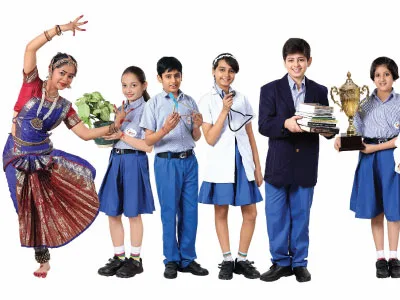
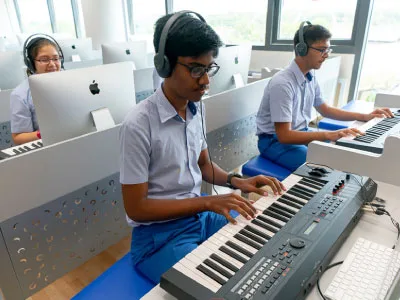
Co-curricular and extracurricular activities are integral components of a student’s educational journey, offering avenues beyond the classroom for holistic development. Co-curricular activities complement student learning, enhancing learning through hands-on experiences, while extracurricular activities encompass pursuits outside the academic realm, enriching students’ lives with diverse interests and experiences. Understanding the distinction between these activities is crucial for guiding students towards fulfilling and well-rounded educational experiences.
What are Extracurricular and Co-Curricular Activities?
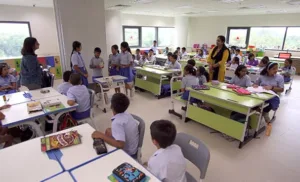
- Extracurricular activities are activities that take place on the school campus but outside the classroom. Many of the extracurricular activities at GIIS are sports-based, but they are not all athletic activities. Our extracurricular activities are specifically designed to help students develop their personality as well as their physical aptitude.
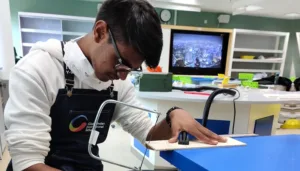
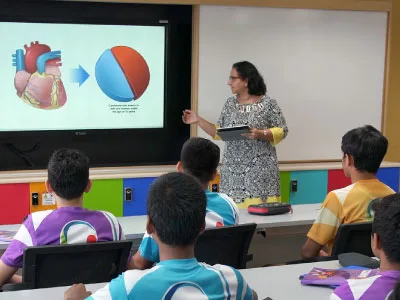
- Co-Curricular activities are activities that take place on the school campus that are designed to supplement the academic curriculum. These activities also focus on personality development while helping students make real-world connections to the content they are learning in their courses.
Why Are Co-Curricular And Extracurricular Activities Important For Students?
Participation in co-curricular and extracurricular activities is pivotal for students’ overall development. These activities foster crucial skills beyond academic knowledge, such as teamwork, leadership, and time management. They provide opportunities for students to explore diverse interests, develop passions, and build social connections. Moreover, engagement in such activities enhances self-confidence and resilience, preparing students for the challenges they’ll face in the real world. Ultimately, co-curricular and extracurricular pursuits contribute significantly to students’ personal growth, academic success, and future prospects.
Tips to Select Co-Curricular & Extracurricular Activities For Your Children
Here are valuable tips to help you choose the right one.
Child’s Interest and Passion
Understanding your child’s interests and passions is paramount when selecting co-curricular and extracurricular activities. Encourage open dialogue to identify areas they enjoy and excel in. Whether it’s sports, arts, or academic pursuits, aligning activities with their interests fosters enthusiasm and motivation. By engaging in activities they’re passionate about, children are more likely to remain dedicated and derive greater satisfaction, contributing positively to their overall development and self-esteem.
Time Commitment
Consider the time commitment required for each activity when choosing co-curricular and extracurricular engagements for your child. Evaluate their current schedule, including academic workload, to ensure activities are manageable and sustainable. Prioritise activities that allow for a healthy balance between academic pursuits, extracurricular involvement, and downtime. By managing time effectively, children can fully immerse themselves in activities while maintaining a well-rounded lifestyle, minimising stress and maximising productivity.
Explore options
Encourage your child to explore a diverse range of co-curricular and extracurricular options to discover their interests and talents. Leading International School, like GIIS, provide exposure to various activities such as sports, arts, music, and academic clubs, allowing them to experiment and find their niche. Exploring options can broaden children’s horizons, develop new skills, and make informed decisions about their interests and passions, ultimately enriching their educational experience and personal growth.
Balance Academics and Activities
Maintaining a healthy balance between academics and extracurricular activities is essential for your child’s overall well-being and success. Create a structured schedule that allocates time for both studies and extracurricular engagements, ensuring neither aspect is neglected. Encourage effective time management skills and teach your child to plan tasks accordingly. By striking a balance between academics and activities, children can thrive academically while honing valuable life skills, fostering a well-rounded educational experience and preparing them for future challenges.
Encourage Skill Development
Select co-curricular and extracurricular activities that facilitate skill development. Whether it’s enhancing communication, critical thinking, or problem-solving abilities, choose activities that offer opportunities for growth. By focusing on skill development, children can acquire valuable competencies. They can develop real-life skills, become effective communicators, enhance problem-solving skills, critical thinking and analytical thinking while developing leadership skills. These skills serve them throughout their academic journey and beyond, empowering them to succeed in various aspects of life.
Consider Long-Term Goals
When choosing co-curricular and extracurricular activities for secondary school students, consider your child’s long-term aspirations and career goals. Choose activities that align with their interests and aspirations, providing opportunities for exploration and skill development in relevant fields. By considering long-term goals, children can make informed choices.
Prioritise Fun Learning
Above all, focus on your child’s enjoyment and passion when selecting co-curricular and extracurricular activities. Choose activities that ignite their enthusiasm and bring joy, fostering a sense of fulfilment and engagement. Consider their preferences, interests, and hobbies, allowing them to pursue activities they genuinely enjoy.
Look for Leadership Opportunities
Encourage your child to aim and prepare for taking up roles of responsibility, such as team captain, club president, or event organiser. These experiences cultivate leadership skills, including communication, decision-making, and teamwork, essential for personal and professional growth. Opt for activities that empower your child to lead and inspire others, fostering confidence and self-assurance. By seeking leadership opportunities, children can develop invaluable leadership qualities that will serve them well in future endeavours.
What are Examples of Extracurricular Activities and Co-Curricular Activities?
Here are some examples of extracurricular activities:
● Sports: Participating in team sports like basketball, soccer promotes physical fitness, teamwork, and leadership skills.
● Performing Arts: Joining a drama club, choir, or dance team allows students to express their creativity and develop confidence in public speaking and performance.
● Community Service: Volunteering for community service projects or organisations instils a sense of social responsibility and empathy while making a positive impact on society.
● Academic Clubs: Joining clubs related to subjects like maths, science, or debate provides opportunities for intellectual stimulation, critical thinking, and academic achievement.
● Student Government: Involvement in student government fosters leadership, decision-making, and organisational skills while representing the student body and initiating positive change.
● Visual Arts: Participating in art classes, painting, sculpting, or photography clubs nurtures creativity, self-expression, and appreciation for the arts.
● Cultural Clubs: Joining clubs focused on cultural diversity, language, or heritage promotes cross-cultural understanding and appreciation for diversity.
Benefits of Extra Curricular and Co-Curricular Activities in School
Participation in extra curricular and co-curricular activities in school offers numerous benefits for students. These activities complement academic learning by providing opportunities for practical application of knowledge and skills. It enhances students’ social and emotional development, fostering teamwork, leadership, and communication skills.
Additionally, participation in extracurricular activities such as sports and co-curricular activities like clubs, and community service promotes a sense of belonging and school pride. Co-curricular involvement also helps students discover their interests, passions, and strengths, ultimately contributing to their personal growth and holistic development. Overall, co-curricular activities play a vital role in shaping well-rounded individuals who are prepared for success both inside and outside the classroom.
The Extracurricular and Co-Curricular Activities Offered at GIIS
The teachers and administrators at GIIS believe that education should focus on holistic development and academic accomplishments. As such, we have created a broad range of extracurricular and co-curricular activities for students to choose from. Our skills-based educational model is supported by the more than 40 different studios on campus that help empower our students and allow them to develop new skills.
Some of the extracurricular activities available at GIIS include:

- Soccer
- Basketball
- Chess
- Table Tennis
- Tennis
- Badminton
- Junior Athletics
Some of the co-curricular activities available at GIIS include:
- Design Thinking
- Ceramics
- Environment Club
- Robotics Club
Also Read: Important Life Skills for Students to Learn
Conclusion
The selection of co-curricular and extracurricular activities is a crucial aspect of a child’s educational journey. By prioritising their interests, fostering skill development, and considering long-term goals, parents and educators can guide students towards fulfilling and enriching experiences. Striking a balance between academics and activities, prioritising enjoyment, and seeking leadership opportunities further enhances the benefits of such engagements.
To promote your child’s overall development, co-curricular and extracurricular activities play a pivotal role. GIIS provides the right blend of these activities. For more information, Contact Us today.

Team GIIS
Team GIIS is a group of enthusiastic writers who bring the vibrant world of GIIS in Singapore to life through engaging blog posts. Dedicated to highlighting the school’s teaching methodology, innovative learning environment, and diverse curriculum options like IB, Cambridge and CBSE, they aim to connect with parents, educators and students, sharing insights and stories that inspire and inform the school community.