Problem-solving goes beyond just dealing with numbers or science experiments. It makes students competent decision-makers who are able to tackle problems in and out of school. When a kid is familiar with problem-solving, they become independent and more capable of coping with troubles. Most schools emphasise teaching children how to think about problems, as opposed to memorising facts.
At Global Indian International School (GIIS), we encourage students to question, explore, and propose solutions. This leads them to develop intellectually and socially. Be it the execution of a project or discussing something in teams, problem-solving ability equips them to face challenges in a methodical, logical manner.
Understanding problem-solving skills in education
Problem-solving in education isn’t just about cracking tough maths problems. It’s about teaching children to handle any type of issue or goal. Students learn to identify the nature of a problem, gather the information they need, and then develop a plan. From kindergarten all the way to higher grades, these skills evolve and become part of everyday thinking.
At GIIS, students engage in activities that spark curiosity. They research, collaborate, and brainstorm. This consistent practice helps them become more adept at problem solving strategies for students, setting them up for success later on.
Why are problem-solving skills important for students?
1. Critical thinking
Problem-solving and critical thinking go hand in hand. When students face an issue, they’re not just looking for the easiest solution — they’re analysing all possible angles. That’s where the importance of problem solving skills for students truly shines. Children become more curious, question assumptions, and learn to back their views with evidence.
2. Encouraging creativity and innovation
Most real-world problems don’t come with a single correct answer. Some solutions rely on outside-the-box thinking. Creative problem solving examples for students include designing new ways to complete a project or coming up with an experiment to test a theory. These tasks push them to imagine and innovate, which is highly valued in modern workplaces.
3. Building resilience and adaptability in students
Not every plan succeeds right away. Failure can actually be a stepping stone. Students learn to review what went wrong, adjust their methods, and try again. This cycle nurtures a mindset of resilience. Over time, they become more comfortable facing uncertainties or unexpected obstacles.
4. Teamwork and collaboration
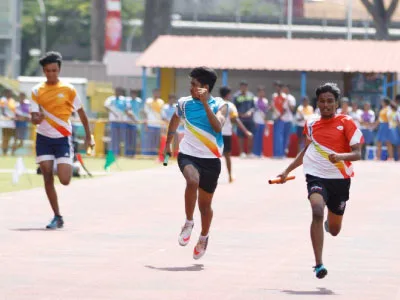
Working on group tasks teaches cooperation. Students discuss solutions, assign tasks, and support each other’s learning. When they value each other’s viewpoints, they become better at listening, adding ideas, and reaching a consensus.
How to develop problem-solving skills in students
1. Encouraging inquiry-based learning
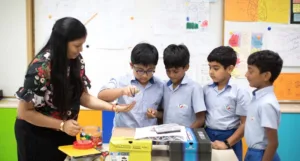
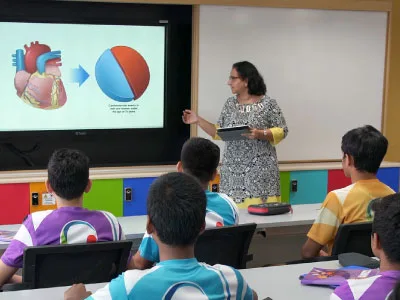
Children by nature are enquirers. Inquiry-based learning builds on that. Teachers present a topic or scenario, then let students explore. They research, test out ideas, and refine their questions. This hands-on method allows them to discover information rather than memorise it from a textbook.
2. Promoting a growth mindset in the classroom
When you praise effort, not just success, students see mistakes as part of the process. That’s the essence of a growth mindset. Students who believe they can improve become more willing to tackle difficult tasks. They also develop strong problem solving skills in education by continuously refining their approach.
3. Using storytelling and role-playing
Stories give context. When students act out scenes or read about characters facing conflicts, they relate problems to everyday life. This is especially helpful for younger learners who benefit from simple problem solving for second graders. Acting out scenarios teaches empathy and perspective, shaping how students approach problems that involve other people.
4. Integrating real-world problem-solving examples
Sometimes, students wonder how school lessons apply to life outside the classroom. Linking coursework to real-world scenarios answers that question. They might brainstorm solutions for local environmental issues or plan a small business idea. Through these problem solving examples for students, they see how classroom knowledge can help them contribute to the community.
Effective problem-solving activities
1. Engaging problem-solving activities for middle schoolers
Middle school is a stage where students want to test their abilities and think more deeply. Escape Room Challenges give them puzzles that demand teamwork, logic, and a bit of creativity. Debate and Discussion sessions push them to organise their arguments, evaluate evidence, and counter different viewpoints.
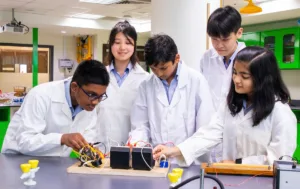
STEM Challenges draw on science, technology, engineering, and maths, often requiring them to plan, build, and test prototypes — perfect for honing problem-solving activities for middle schoolers.
2. Classroom-based problem-solving activities for students
Different classrooms have different dynamics. However, certain problem solving activities for students work well across various ages. Think-Pair-Share helps them refine thoughts. They reflect on a question, discuss with a partner, and share with the class. Brainstorming sessions spark creative thinking by letting everyone throw out ideas. And Case Study Analysis helps them dissect real or hypothetical situations, a technique often used in university programmes.
3. Simple problem-solving for second graders
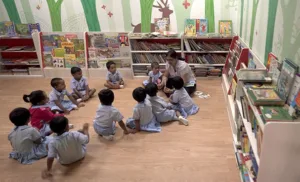
Younger students need simpler yet engaging tasks. Story-Based Problem Solving helps them imagine characters solving small hurdles, giving them a friendly introduction to problem solving. Puzzle and Riddle Games get them thinking, plus they’re fun. Role-playing scenarios let them practise communication and decision-making, laying the groundwork for more advanced skills later on.
Also Read – Developing strong numeracy skills for preschool students
The role of teachers and schools in developing problem-solving skills
Teachers play a key role in shaping how students approach challenges. They set up the environment, give helpful feedback, and keep children on track. How to develop problem solving skills in students often comes down to creating interactive lesson plans, encouraging open discussions, and allowing children to learn through trial and error. Schools, in turn, support teachers by providing resources, training, and a curriculum that values skills over memorisation.
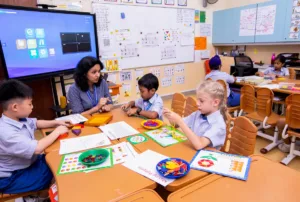
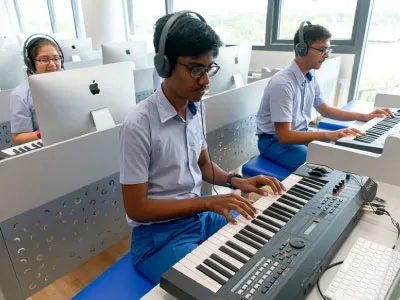
At GIIS, there’s a strong focus on projects, group tasks, and inquiry-based methods. Students practise problem solving for students in different scenarios, from scientific research to cultural events. These experiences guide them in managing everyday tasks and long-term goals.
Conclusion
Developing good problem solving skills is central to a well-rounded education. When students handle problems by questioning, exploring, and refining ideas, they’re more prepared for higher studies and future careers. At Global Indian International School, our teaching methods are designed to reinforce the importance of problem solving skills from the early years onward.
If you are keen to know more about GIIS, please do not hesitate to contact our admission’s team.

Team GIIS
Team GIIS is a group of enthusiastic writers who bring the vibrant world of GIIS in Singapore to life through engaging blog posts. Dedicated to highlighting the school’s teaching methodology, innovative learning environment, and diverse curriculum options like IB, Cambridge and CBSE, they aim to connect with parents, educators and students, sharing insights and stories that inspire and inform the school community.