When a child sees something new, they become enthralled! They want to take it in their hands, touch it, and feel it!
This is how a young children’s childlike curiosity works. This is where a parent’s role is crucial. This is the point at which you enter the picture! This is the time to introduce them to items that will quench their interest.
Colors, photos, words, textures, characters, illustrations, and numbers are just a few examples suggested by the best Singapore schools.
What can you do as a parent to assist your children to become good readers at the kindergarten stage itself? How do you inculcate a love of reading in your children? Well, it’s not tough; the key is to keep trying and to get started as soon as they join kindergarten.
Even the best schools ensure that learning habits are fostered from a young age. Here are 15 tips to help your children develop healthy reading habits.
15 Tips to Help Your Child Develop Healthy Reading Habits
1. Read Inside the Womb
Reading is pleasant and aids with stress relief. Read pleasant books to your baby while they are still in the womb. Make it a habit to read a book every day at the same time. To calm the baby inside, do it in the evening.
While reading, smile and enjoy your books to create a pleasant relationship with the infant. Before starting the book, have a discussion about it.
2. Read Even After the Baby is Born
Books have the power to broaden a person’s perspective. They’re also important for establishing a healthy vocabulary. Reading books to a child is highly suggested because a child’s brain functions at a higher rate in kindergarten years than an adult’s.
As a result, they create linguistic diversity more quickly and easily. Make it a habit to read your child bedtime stories. Before they go to bed, read them a book for 10–15 minutes. It calms the mind, allowing them to sleep peacefully and dream sweetly.
3. Introduce Them to the Library
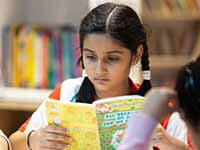
Outdoor activities with children are often a blast; turn these trips into reading excursions. Pay a visit to a nearby library or libraries at your school and explain how to borrow a book from them.
Children are enthralled by new things and experiences on a whole new level. Reading books will become more enjoyable and exciting for children as a result of library visits. Get your youngster a library card.

4. Let Your Child Pick What to Read
When you give your kid time to look around and explore, that trip to the library might become even more memorable.
Children are more likely to desire to read books that they choose themselves. Give your youngster a section of books to choose from if you’re worried about finding the correct reading level or topic.
5. Re-Read Old Books
You may grow bored of reading the same story again and over, but your child might like it. Kids enjoy spotting details in stories and pictures that they missed the first time around.
They can also correlate the words they see on the page with the words they hear by rereading. Your child may eventually begin reading the book to you.
6. Inculcate Bedtime Reading
Reading at bedtime is a wonderful method for your child to unwind if he or she can read independently. Allow your child to read before putting them to bed half an hour before their bedtime. If they don’t like novels, try a comic, newspaper, leaflet, or non-fiction book instead.
7. Audiobooks
Why not try an audiobook if your youngster doesn’t like reading books? Why not urge them to listen to an audiobook if they suffer from motion sickness?
Almost everything these days, including our favorite author, Roald Dahl, is available in audiobook format. To help your child develop healthy reading habits at the kindergarten stage itself, you can attempt anything.
8. Encourage Them to Read Comics
It’s a vital part of understanding and one of the valuable life skills to teach your child. Young children can benefit from comic books because they encourage them to “read between the lines” and infer meaning from the graphics.
Superheroes and villains aren’t the only characters in comic books. They’re not just for the boys, either. There is something for everyone’s tastes, ages, and reading levels in comic books and graphic novels, which span a wide range of genres such as humor, drama, science fiction, and fantasy.
There may even be something you’d like to indulge in yourself or enjoy cuddling up with your child before night!
Also Read: How to Develop Critical Thinking Skills in Child?
9. Always Carry a Book
Encourage your kids to keep a book in their bag or carry one with them all the time. They can stand with you and read if they become bored while you are in line at the grocery.
10. Write Book Reviews Together
This is a fantastic technique to get your children to read during the school day. Ask them to write a book review after they’ve finished their book. It doesn’t have to be long, and it can be in the form of a comic or a list, whichever they choose. As a result, they will be more likely to remember the knowledge and recount it on their own terms.
11. Create a Reading Nook
Carve out a pleasant reading corner in your home where your youngster can have some quiet time and become immersed in reading something that entices their interest, if feasible. A reading “nook” does not have to be large or have a large number of bookshelves.
It can be a small, peaceful place where you keep a few books and other fascinating reading materials. For example, in a corner of your home with appropriate lighting, you can arrange a couch or a nice chair so that your child can concentrate and look forward to reading in comfort.
12. Regularly Scheduled Trips to the Library
The library or bookstores are utopias for those who enjoy reading. By taking your child to the library or a bookstore on a regular basis, you can instill in them a love of reading. These locations are great places to find a wide variety of reading materials for people of all ages, especially kids.
13. Add Interesting Reading Aids Around Your Home
Young children who are exposed to a diverse range of reading materials are more likely to become lifelong readers.
Encourage your child’s reading habits by surrounding them with a diverse selection of intriguing, easy-to-understand books as suggested by the best schools. Make it a habit to keep a book or magazine handy in your living room, bedroom, or even your car.
14. Be a Good Example
It doesn’t matter if you read magazines, newspapers, or books; if your child notices that you do, it will inspire him or her to read more. Set a good example for your child and they will follow your lead. As a role model, show your child the value of reading and how pleasurable it can be.
15. Make Reading a Habit, Not a Chore
Parents should model good reading habits for their children. Children benefit from reading to them even before they are born. Before your child is born and after you bring them home, read aloud to them. To a child’s ears, the sound of a mother’s voice generates a comforting rhythm.
“Start them young,” is the mantra of the best schools. Incorporate reading into your child’s bedtime ritual from early years to help him or her develop a love of reading in the early years.
Allow your child to choose a book, even if it’s the same one they’ve read before. They will learn to equate reading with unwinding and relaxation as a result of this. Reading can help young children in a variety of ways.
Follow the aforementioned suggestions from the best schools to help your children develop healthy reading habits early on.

Team GIIS
Team GIIS is a group of enthusiastic writers who bring the vibrant world of GIIS in Singapore to life through engaging blog posts. Dedicated to highlighting the school’s teaching methodology, innovative learning environment, and diverse curriculum options like IB, Cambridge and CBSE, they aim to connect with parents, educators and students, sharing insights and stories that inspire and inform the school community.