Welcome to the bustling metropolis of Tokyo, a city that seamlessly blends tradition with innovation and offers a wealth of opportunities for families settling into this vibrant cultural hub. If you’ve recently moved to Tokyo and are on the lookout for the best kindergarten schools for your little one, you’ve come to the right place. Navigating a new country’s education system can be daunting, but fear not, as we embark on a journey to explore the leading international kindergarten in Japan From nurturing environments that promote holistic development to internationally recognised curriculums, this article aims to guide parents in finding the perfect international kindergarten school for your child’s bright future. So, Let’s understand more about Tokyo’s education landscape!
What is a Kindergarten School?
Kindergarten school is an early childhood education programme designed for children typically aged 3 to 6 years, although the specific age range may vary depending on the country or region. It serves as a crucial bridge between the informal learning experiences at home and the formal education of international primary school. Kindergarten plays a vital role in a child’s development by providing a nurturing and structured environment that fosters various aspects of growth, including cognitive, social, emotional, and physical development.
The primary objectives of kindergarten is:
1. Develop Social Skills: Kindergarten helps children learn how to interact with their peers and teachers, fostering social skills such as sharing, cooperation, empathy, and effective communication. They engage in collaborative activities and group play, laying the foundation for positive relationships.
2. Promote Emotional Development: Children begin to understand and express their emotions more effectively in Kindergarten. They learn to manage their feelings, build self-confidence, and develop resilience in facing challenges.
3. Enhance Cognitive Skills: It introduces basic academic concepts that prepare children for formal learning. This includes early literacy skills, numeracy, shapes, colors, and foundational knowledge in subjects like science and social studies.
4. Encourage Creativity: Creative expression is encouraged in international school in Tokyo through art, music, storytelling, and imaginative play. This stimulates a child’s imagination and fosters their innate curiosity.
5. Develop Fine and Gross Motor Skills: Through various activities like drawing, cutting, running, and playing, children enhance their fine and gross motor skills, refining their physical coordination and dexterity.
6. Cultivate Independence and Self-Reliance: It helps children develop a sense of autonomy as they learn to complete tasks independently, such as dressing themselves, organizing their belongings, and following daily routines.
7. Promote Respect for Diversity: Kindergarten creates a multicultural environment, fostering an understanding and appreciation of diverse cultures, traditions, and backgrounds.
Kindergarten programmes vary in their approaches and methodologies. Some kindergartens follow play-based learning, where children learn through play and exploration, while others may have a more structured curriculum that introduces academic concepts in a gradual manner.
The curriculum of kindergarten varies from country to country and even from one school to another. However, the overarching goal of the kindergarten curriculum is to provide a comprehensive and age-appropriate learning experience that promotes the holistic development of young children. The curriculum typically encompasses various domains.
1. Language and Literacy: Kindergarten introduces children to basic language skills, such as vocabulary building, phonics, letter recognition, and early reading comprehension. Activities like storytelling, reading books, and language-based games help foster language development.
2. Mathematics: Early numeracy skills are introduced including counting, number recognition, basic addition and subtraction concepts, and an understanding of shapes and patterns. These activities lay the groundwork for more advanced math skills in later years.
3. Science: In an age-appropriate manner, Top Kindergarten School in Tokyo introduces children to basic scientific concepts through hands-on activities and experiments. They explore topics related to nature, plants, animals, and simple scientific principles.
4. Social Studies: It introduces children to their immediate environment and community, helping them understand their roles as citizens. They learn about family, community helpers, basic geography, and cultural diversity.
5. Fine and Gross Motor Skills: Physical activities are an integral part of the curriculum, encouraging the development of fine motor skills (e.g., drawing, cutting) and gross motor skills (e.g., running, jumping) through play and exercises.
6. Arts and Creativity: Kindergarten fosters creativity through art, music, and imaginative play. Children engage in drawing, painting, crafting, singing, and dancing, which helps them express themselves creatively.
7. Social and Emotional Development: Kindergarten focuses on promoting emotional intelligence, social skills, and character development. Children learn about emotions, empathy, cooperation, and conflict resolution, helping them build positive relationships with peers and adults.
8. Physical Education: Physical activities and games are included to promote physical fitness, coordination, and teamwork.
9. Play-Based Learning: Play is a crucial component of the kindergarten curriculum, as it allows children to explore, experiment, and develop social and problem-solving skills.
It’s important to note that the kindergarten curriculum is designed to be age-appropriate and child-centered, taking into account the developmental needs and interests of young learners. The specific content and activities in the curriculum may vary based on educational philosophies, regional requirements, and school policies.
Best Kindergartens in Japan are an essential stepping stone in a child’s educational journey. It acts as a crucial preparatory phase for primary school, providing a strong foundation for further academic success. It also helps children build a positive attitude towards learning and creates a love for discovery and exploration, nurturing a lifelong passion for education.
What is Special about the Top Kindergarten International Japanese School System?
What sets the Top Kindergarten International Japanese School System apart is its unique blend of educational excellence and cultural richness. This exceptional system caters to children from diverse backgrounds, providing a holistic and immersive learning experience that goes beyond traditional education. Let’s understand what makes this system truly special.
Multicultural Environment: At the heart of the Top Kindergarten International lies a celebration of diversity. Students from various nationalities come together in a harmonious environment, fostering a deep appreciation for different cultures and traditions. This exposure to multiculturalism prepares young learners to be global citizens with a broad understanding of the world around them.
Bilingual Education: One of the most remarkable aspects is its emphasis on bilingual education. Children not only acquire a strong foundation in Japanese language, but they also receive rigourous instruction in a second language, often English. This early exposure to multiple languages enhances their cognitive abilities, communication skills, and opens doors to exciting opportunities in the future.
Play-Based Learning: The International Japanese School believes in the power of play as a fundamental component of learning. Play-based learning allows children to explore, experiment, and engage with their environment creatively. Through imaginative play and interactive activities, children develop critical thinking, problem-solving skills, and social competence.
Cultural Immersion: The Top Kindergarten International Japanese School System believes in immersing students in Japanese culture, customs, and traditions. Special cultural programmes, festivals, and events are organized, allowing children to experience the richness of Japan’s heritage firsthand.
Global Connections: Through partnerships and exchange programmes with international schools worldwide, the system creates opportunities for students to interact with peers from different countries. These global connections foster a spirit of cooperation, collaboration, and a broader perspective on global issues.
The Best Indian International School System stands out as an exceptional educational model that seamlessly blends the best of Japan’s cultural heritage with globally recognised educational practices. Beyond academic excellence, the system is dedicated to nurturing the whole child. Social and emotional development is prioritized, ensuring that students grow into empathetic, compassionate, and well-rounded individuals.
Benefits of choosing Best International kindergarten school in Tokyo
Every parent dreams of providing their child with the best education, one that nurtures their potential and sets them on a path to success. Tokyo, a city known for its innovation and rich cultural heritage, offers a plethora of educational options, including International kindergarten schools. So let’s highlight the benefits of enroling your child to the Best International kindergarten school in Tokyo
Multicultural Exposure: Tokyo, being a global hub, attracts families from all corners of the world. By enroling your child in the Best International Kindergarten, they will be exposed to a diverse environment where they can interact with peers from various cultural backgrounds. This multicultural exposure fosters empathy, understanding, and appreciation for different traditions, languages, and perspectives, which are invaluable skills in today’s interconnected world.
Bilingual Proficiency: Bilingualism is the need in today’s world. Children are exposed to a bilingual curriculum, allowing them to become proficient in both English and Japanese languages. Studies have shown that bilingualism enhances cognitive abilities, boosts problem-solving skills, and enhances adaptability. Moreover, being bilingual opens up a world of opportunities later in life, both personally and professionally.
Innovative Teaching Methodologies: International kindergartens often embrace innovative teaching methodologies that prioritize experiential and enquiry-based learning. From outdoor exploration to hands-on science experiments, these schools create an engaging and dynamic learning environment. By encouraging curiosity and critical thinking from an early age, children are better prepared to face challenges and develop a lifelong love for learning.
Cultural Celebrations and Events: Japanese culture is rich in festivals and traditions, and the best international kindergartens in Tokyo actively participate in these cultural celebrations. Children get the chance to experience events like cherry blossom viewing, traditional tea ceremonies, and cultural festivals, immersing them in the vibrant tapestry of Japanese heritage. These experiences foster a deep sense of respect and admiration for the host country, nurturing a strong sense of belonging.
Global Perspective: In a world that is increasingly interconnected, having a global perspective is a tremendous advantage. The Best International Kindergartens in Tokyo incorporate global issues and themes into their curriculum, sensitizing children to global challenges and encouraging them to become responsible global citizens. Through collaborative projects with partner schools worldwide, children gain a deeper understanding of global diversity and cooperation.
By providing your child with such a transformative educational journey, you equip them with the tools they need to excel in an ever-changing world, where diversity and global perspectives are highly valued. Embrace the opportunities that lie ahead and witness your child blossom into a confident, open-minded, and compassionate individual, ready to embrace the world with open arms.
Factors to Consider When Choosing the Best kindergarten in Tokyo
Choosing the Top Kindergarten in Tokyo for your child is a significant decision that requires careful consideration. While the standard factors such as curriculum, facilities, and location are important, there are other critical aspects that parents sometimes overlook. Here are some things to consider when selecting the best kindergarten.
1. Teacher Qualifications and Experience: Beyond checking the teacher-to-student ratio, it’s crucial to inquire about the qualifications and experience of the teachers. The best kindergarten should have well-trained educators who possess expertise in early childhood education and a deep understanding of child development. Experienced teachers are better equipped to handle different learning styles and provide personalized attention to each child’s needs.
2. Inclusivity and Special Needs Support: Parents should assess whether the kindergarten promotes inclusivity and offers support for children with special needs. An inclusive environment allows children of all abilities to learn and play together, fostering empathy and acceptance. Look for a school that has trained staff to cater to diverse learning needs and provides individualized learning plans for children with learning differences.
3. Health and Safety Protocols: In the current global climate, health and safety have become paramount. Ensure that the kindergarten follows strict health and safety protocols, including measures to prevent the spread of infectious diseases, proper sanitization practices, and emergency preparedness. Additionally, inquire about the school’s policies on food allergies and medical emergencies.
4. Parental Involvement Opportunities: A strong partnership between parents and the kindergarten is essential for a child’s development. Look for a kindergarten that actively encourages parental involvement through regular communication, parent-teacher meetings, and opportunities to participate in school activities. This involvement helps parents stay informed about their child’s progress and fosters a supportive learning environment.
5. Emotional and Social Development Programmes: A child’s emotional and social development is as crucial as their academic growth. Inquire about the school’s programmes that focus on emotional intelligence, conflict resolution, and character-building. A kindergarten that incorporates activities promoting empathy, kindness, and teamwork helps children develop strong interpersonal skills that will benefit them throughout their lives.
6. Outdoor and Nature-based Learning: Nature-based learning has numerous benefits for children’s physical and mental well-being. Check if the kindergarten offers ample outdoor play areas and incorporates nature-based activities into the curriculum. Exposure to nature stimulates creativity, improves attention span, and enhances problem-solving skills.
7. Cultural Exposure and Field Trips: Learning should extend beyond the four walls of a classroom. Look for a kindergarten that organizes field trips and cultural excursions to museums, historical sites, and other places of interest in Tokyo. These experiences provide children with a deeper understanding of their surroundings, history, and culture.
8. Parent References and Reviews: While conducting research, seek out parent references and reviews. Speaking to other parents who have had their children attend the kindergarten can provide valuable insights into the school’s strengths and areas for improvement. Online reviews and testimonials can also offer additional perspectives to consider.
9. Future Educational Pathways: Consider the kindergarten’s approach to preparing children for their future educational journey. Some kindergartens have affiliations with primary schools or offer specific transition programmes, ensuring a smooth continuation of education beyond kindergarten.
By taking these additional factors into account alongside the standard considerations, parents can make a more informed decision.
Overview of the best kindergarten or Yochien in Tokyo
Yochien, the Japanese word for kindergarten, holds a significant place in Tokyo’s education landscape. Yochien in Tokyo represents a crucial phase in a child’s early learning journey, laying the foundation for their academic, social, and emotional development. These institutions offer a nurturing and stimulating environment where young minds can explore, create, and discover the world around them. Yochien programmes in Tokyo typically focus on play-based learning, encouraging children to learn through hands-on experiences, arts, and interactive activities. With a strong emphasis on fostering a sense of community and instilling cultural values, Yochien in Tokyo prepares children to embark on their formal education journey equipped with essential skills, curiosity, and a love for learning.
Seishincho Campus, Tokyo:
Campus Page:
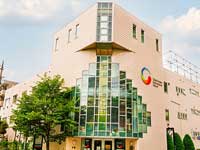
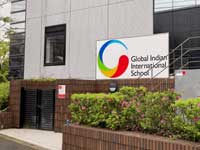
GIIS Seishincho Campus in Tokyo is known for educational excellence, offering a transformative learning experience for students from diverse backgrounds. As part of the Global School Foundation (GSF) network, the Seishincho Campus upholds the highest standards of education, providing a well-rounded curriculum that blends academic rigour with innovative teaching methodologies. Nestled in the heart of Tokyo, the campus boasts state-of-the-art facilities, including modern classrooms, well-equipped science and computer labs, and expansive sports facilities. Beyond academics, the school prioritizes the holistic development of each student, encouraging participation in extracurricular activities, cultural events, and community service initiatives. With a dedicated and experienced faculty, a nurturing and inclusive learning environment, and a focus on fostering global perspectives, Seishincho Campus stands as a testament to preparing students to become responsible, compassionate, and dynamic leaders of tomorrow.
Type of School: International
Detail: The school caters to Preschool to High School Students
Fees:
Get the detail fees structure of each curriculum as per school levels in the given link below
https://globalindianschool.org/jp/tokyo/admissions/fees
Admission Details:
Admission to GIIS Seishincho Campus in Tokyo is open throughout the year, providing flexibility for families relocating or seeking mid-year enrolment. To express interest in enrolment, parents can conveniently submit the online enquiry form available on the official school website https://globalindianschool.org/jp/tokyo/admissions/enquiry-form/
Once the form is submitted, the admissions team will promptly reach out to provide comprehensive information about the admission process, including required documents, assessments, and any other relevant details.
Additionally, the school welcomes parents and prospective students to visit the campus for a personalized tour, where they can experience the vibrant learning environment and interact with faculty members. The cbse school admission process is designed to be inclusive, supportive, and efficient, ensuring a smooth and seamless transition for students joining the GIIS community.
Location: 2-10-1, Seishincho, Edogawa Ku, Tokyo 1340087
Curriculum Offers:
The school offers following curriculums
● GMP (Montessori curriculum)
● IB Primary Years (PYP curriculum) for Grade 1 to 5 (age 5 to 12 years)
● Cambridge (CLSP) for Grades 6 to 8
● Cambridge (IGCSE) for 14 to 16 year olds.
● IBDP (IB Diploma) pursued after the completion of Grade 10
● CBSE for Grade 1 to Grade 12
● IBDP Bridge Programme pursued after the completion of Grade 10
Read Also: How To Introduce Yourself In School Assembly
Conclusion
Tokyo offers a diverse array of top-notch kindergarten schools, each contributing uniquely to the holistic development of young learners. Amidst these outstanding choices, GIIS Seishincho Campus stands out as an exemplary institution, setting a high standard for education in the city.
The school’s state-of-the-art facilities, dedicated faculty, and inclusive approach make it a top contender for parents seeking an exceptional educational experience for their little ones.
Frequently Asked Questions
What is the Age Requirement for International Kindergarten in Japan?
In Japan, children typically start kindergarten at the age of 3 to 6 years old.
How Long Are School Hours in Japan?
School hours in Japan vary depending on the level of education. For kindergarten, the school hours are usually shorter, lasting around 3 to 5 hours per day. Primary and secondary schools typically have longer hours, ranging from 6 to 8 hours per day.
Do kids in Japan Get Homework?
Yes, students in Japan, including those in kindergarten, are often assigned homework. However, the amount and complexity of homework increases as students progress through higher grades. In kindergarten, homework is usually light and focuses on reinforcing basic skills and fostering good study habits.
What Are School Years Called in Japan?
In Japan, school years are typically referred to as “grades.” The education system follows a 6-3-3-4 structure, where students spend six years in elementary school, three years in junior high school, three years in high school, and four years in university (for those pursuing higher education). Each of these segments is referred to as a grade, representing a specific stage of a student’s academic journey.