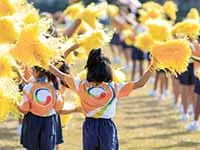
Sadako Ogata Scholarship Applications Now Open!
Open to students of all grades, this scholarship supports deserving learners through academic merit and financial need.
Apply Now!

Global
All Cities
Where would you like to study? Select cities to refine your search.
Any Curriculum
Find a campus based on the curriculum offered.
Global
Global
All Cities
Where would you like to study? Select cities to refine your search.
Any Curriculum
Find a campus based on the curriculum offered.
Search

What is the early childhood education system in Japan?

learning, school

The early childhood education system in Japan highlights holistic development, including academic, social, and moral dimensions. It promotes creating a child’s sense of community, responsibility, and connection to nature, based on the concepts of “Hoikuen.” The technique promotes creativity and social skills by combining structured education with play-based approaches.

Nursery schools (Yochien) serve an important role by combining educational and caregiving activities. The teachers of a reputed international school in Tokyo emphasize developing close relationships with each child, understanding the value of emotional development, and academic preparedness in creating the groundwork for a child’s lifelong learning journey.

The Evolution of Japanese Early Childhood Education

Early childhood education in Japan has evolved due to an active relationship between traditional cultural values and the necessity to adapt to a fast-changing society. The early education of young children in Japan has played a vital role in shaping the future of these individuals since long ago.

The post-World War II period was a flourishing era for the Japanese education system. According to the 1947 Fundamental Law of Education, the education system was more organized and productive to ensure every child received the best education. Yochien, or nursery schools, grew in popularity as the importance of early childhood development in Japan became more widely recognised.

Japan had an upsurge in economic success and a shift toward urbanization in the latter half of the twentieth century. These changes altered the early childhood education scene. The rising demand for childcare facilities resulted from the demand for dual-income households. Yochien grew to satisfy this demand, growing in both size and scope.

There was an increasing emphasis on the holistic development of children in the late twentieth and early twenty-first centuries. The notion of “Hoiku,” which encompasses care and instruction, gained popularity. This method understands that early childhood education extends beyond academics by emphasizing socialization and emotional well-being and establishing a sense of community and responsibility in children.

Through policy measures, the government played a critical role in determining the evolution of ECE. In the 1990s, the “Yutori Kyoiku” or “relaxed education” strategy was implemented, emphasizing a more flexible and child-centered approach to early learning in Japanese culture. This strategy attempted to lessen the academic strain on young students while fostering a more holistic development environment.

In recent years, there has been growth in the quality of early childhood education in Japan as the government has taken initiatives to promote child development.

Lastly, effective Japanese early education practices have improved further in the education sector, showing its growth as a place where children can grow into successful individuals.

Structure of Early Childhood Education in Japan

Early Childhood Education (ECE) is organized in Japan to give a balanced approach to a child’s development, merging care and education. The method is intended to meet the various demands of young students by national norms and regulations.

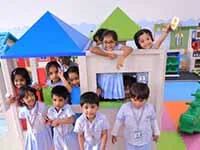
● Nursery Schools (Yochien): Yochien, or nursery schools, are an important component of Japan’s ECE system. These play-based learning Japanese schools serve children ages three to six. Yochien educational institutions also provide care services, stressing a holistic approach to a child’s well-being. They emphasize developing social skills, creativity, and a sense of community.

● Kindergartens (Hoikuen): Kindergartens, also known as hoikuen, serve children from infancy to roughly six years old. They meet the demands of working parents by offering extended hours of care. Hoikuen is important in assisting families with young children by providing a safe and supportive atmosphere.

● Preschools and Childcare Facilities: In addition to yochien and hoikuen, there are a variety of preschools and childcare facilities serving various age groups. To address the different demands of families, these organizations frequently offer a flexible schedule, offering part-time or full-time possibilities.

● Educational Content: ECE educational content emphasizes a balance of organized learning and play-based activities. While academic preparation is acknowledged, attention is also placed on developing social skills, emotional intelligence, and creativity. Activities that encourage discovery, teamwork, and self-expression are frequently included in the early childhood curriculum.

● Teacher Qualifications: Teachers in international schools as well as top primary schools in Tokyo receive specialized training to suit the requirements of young children. Early childhood education, child development, and pedagogy are typical qualifications. This gives educators the tools to establish an encouraging and enjoyable learning environment.

● Parental Involvement: The significance of collaboration between educators and parents is emphasized in ECE in Japan. Regular contact, parent-teacher meetings, and participation in a child’s educational path are all encouraged. This collaborative approach ensures an in-depth understanding of a child’s growth and enables a smooth transition from home to educational settings.

Role of Teachers in Childhood Development

Let us look at the role of teachers in childhood development in Japan:

1. Cognitive Approach

Teachers introduce age-appropriate educational activities that foster critical thinking and problem-solving abilities. They adapt their methods to meet different learning styles, ensuring each child succeeds. Teachers role model positive behaviour and assist students in building effective communication and teamwork skills. Early socialization is essential for developing good connections later in life.

2. Emotional Approach

Teachers provide the children with an open and friendly environment where they can freely express themselves without fear. The teachers try to make them comfortable by building trust in these students. Teachers often include Physical activities that improve fine and gross motor skills, adding to a child’s overall physical development.

3. Social and Physical

Furthermore, teachers and parents work together to build a unified support system for children. Educators can adjust their approach by recognizing unique strengths and challenges, ensuring each child receives personalized coaching. Finally, the duty of teachers goes beyond giving knowledge to include nurturing every child, preparing them for a lifetime of understanding, and positively contributing to society.

Common Challenges Faced By the Early Childhood Education System in Japan

The Japanese early childhood education (ECE) system faces several issues that jeopardize its effectiveness and inclusiveness.

1. Lack of Inexpensive and Accessible Childcare Facilities

One important issue is a lack of inexpensive and accessible childcare facilities, which causes difficulty for working parents. The demand for nursery schools (yochien) and kindergartens (hoikuen) often exceeds the available spots, resulting in extended waiting lists.

2. Societal Expectations of Parents

Another difficulty is the societal expectation for mothers to assume primary childcare obligations, which hampers gender equality and contributes to a shortage of qualified ECE experts. Individuals are discouraged from pursuing jobs in early childhood education because of the low remuneration for ECE teachers.

3. Competitive Nature of the Education System

Another area for improvement is the competitive nature of the education system, which pressures children to achieve academically from a young age. This might cause unnecessary pressure on young students and affect their overall development.

4. Standards and Quality Assurance

Furthermore, better standards and quality assurance are required across early literacy programmes in Japan. Disparities in curriculum standards, instructor qualifications, and facility infrastructure can all impact the consistency of children’s educational experiences.

Addressing these difficulties requires a comprehensive strategy that includes regulatory changes to boost accessibility, promote gender equality, improve teacher compensation, and develop a more balanced and suitable development approach to early childhood education.

Conclusion

Finally, Japan’s early childhood education system is dedicated to holistic development by combining care and teaching. Despite problems such as childcare shortages and academic pressures, persistent efforts to provide equal opportunities, gender balance, and excellent standards for the well-rounded development of youngsters are important.

Frequently Asked Questions

1. At what age do children typically start their formal education in Japan?

In Japan, children typically undergo 12 years of formal education consisting of elementary, lower secondary, and upper secondary education. Before beginning their elementary education at the age of 6, children have the option to attend kindergarten between the ages of 3 and 5.

2. What are the goals and objectives of early childhood education in Japan?

The goals and objectives of the children are to practice independence from an early age and to eliminate the nature of relying on teachers.

3. What role do parents play in the early childhood education system in Japan?

The parents play an auxiliary role and show their support and interest.

4. Is there a focus on play-based learning in Japanese early childhood education?

In Japan, the Ministry of Education recognised the importance of play and used the word ‘play’ in the first regulation for kindergarten education.

5. How does the Japanese education system support children with special needs in early childhood?

The teachers attend all the classes along with the teachers in charge of the class to show their support and encouragement.
Master Admin

Table of Contents

Enquire Now
Featured Blogs

国際バカロレア(IB)とは?4つのプログラム・メリット・デメリットをわかりやすく解説

「国際バカロレア(IB)という言葉は聞いたことがあるけれど、実際にはどのような教育なのかよく分からない」という方は多いのではないでしょうか。国際バカロレアは、世界共通の教育プログラムとして多くの国で導入されており、お子さまの思考力や表現力を育む学びとして今、注目を集めています。 一方で、「授業が難しいと聞くけれど本当?」「うちの子どもに向いている?」といった不安を感じることもあるでしょう。この記事では、国際バカロレアの概要や4つのプログラム、メリット・デメリット、そして難易度について、保護者の方にもわかりやすく解説します。 国際バカロレア(IB)とは? 国際バカロレア(IB)とは、スイスに本部を置く国際バカロレア機構(IBO)が提供する、世界共通の教育プログラムです。単に知識を覚えるのではなく、「自ら考え、課題を発見し、解決策を導き出す力」を育てることを重視しています。 実際の授業では、探究学習やディスカッション、プレゼンテーションが多く取り入れられています。お子さまの批判的思考力や探究心、表現力を養うため、暗記中心の学習とは異なるアプローチとして世界中で高く評価されているのです。 また、ディプロマ・プログラム(DP)を修了し、所定の条件を満たすと、国際的に通用する大学入学資格が得られます。海外大学への進学を目指す方はもちろん、グローバルな視点や主体的な学びを大切にしたい方にとっても魅力的なプログラムといえるでしょう。 なお、国際教育にはIB以外にもAレベルなどの資格が存在します。学習内容や進学ルートはそれぞれ異なりますので、必要に応じて関連記事も参考にしてください。 関連記事:IBとAレベル:将来への準備になるのはどちら? 国際バカロレアが生まれた背景 国際バカロレアは、1968年にスイスで設立されました。国や地域によって教育制度が異なるなかで、お子さまが世界のどこにいても質の高い学びや進学を続けられるようにすることが設立の目的です。 設立当初から「世界中の生徒が同じ基準で学べる教育を」という理念を掲げており、国際的な視野や異文化理解の育成を重視してきました。現在では世界100以上の国と地域で導入され、多くの学校で理念が受け継がれています。 国際バカロレアの4つのプログラム 国際バカロレアには、お子さまの年齢や発達段階に応じた4つのプログラムが用意されています。幼少期から大学進学前まで、一貫した学びを提供している点が大きな特徴です。 まずは、プログラムごとの対象年齢と特徴をご覧ください。 プログラム 対象年齢 特徴 PYP(初等教育プログラム) 3〜12歳 遊びや探究活動を通じて主体的に学ぶ力を育む MYP(中等教育プログラム) 11〜16歳 教科横断型の学習で思考力や応用力を伸ばす DP(ディプロマ・プログラム) 16〜19歳 修了により国際的な大学入学資格の取得を目指す CP(キャリア関連プログラム) 16〜19歳 職業教育とIBの学びを組み合わせて実践力を養う PYP(プライマリー・イヤーズ・プログラム) PYPは3〜12歳を対象とした初等教育プログラムです。お子さまの好奇心や探究心を大切にし、自ら学ぶ姿勢を育むことを目的としています。 授業では遊びや体験活動を積極的に取り入れ、「なぜそうなるのか」を考える機会を多く設けています。知識を一方的に教えるのではなく、お子さまが自分で問いを立てて学ぶ力を養います。 MYP(ミドル・イヤーズ・プログラム) MYPは11〜16歳を対象とした中等教育プログラムです。教科ごとの知識習得に加え、学んだ内容を現実社会の課題と結び付けながら理解を深めます。 複数の教科を関連付けて学ぶ「教科横断型」のアプローチを採用し、論理的思考力や問題解決能力を育成します。将来的にDPへ進むための、大切な土台となるプログラムです。 DP(ディプロマ・プログラム) DPは16〜19歳を対象とした、国際バカロレアの中核を担うプログラムです。世界中の大学進学を見据えて設計されており、高度な学術的能力や思考力を養います。 所定のカリキュラムを履修し、最終試験で基準を満たすと「IBディプロマ」という大学入学の資格が取得できます。この資格は世界各国の大学で広く認められており、日本国内でも入学選考や出願資格として活用する大学が増えています。 CP(キャリア関連プログラム) CPは16〜19歳を対象としたプログラムで、大学進学だけでなく、将来の職業や専門分野も見据えた学びを提供します。IBの教育理念を取り入れつつ、職業教育や専門的な学習を組み合わせ、実践的なスキルを身につけられる点が特徴です。 国際バカロレアのメリット 国際バカロレアは、単に海外大学への進学を目指すための資格ではありません。学力はもちろん、思考力や表現力、異文化への理解といった「これからの時代に求められる力」をバランスよく育めます。 ここでは、国際バカロレアの主なメリットをご紹介します。 世界中の大学で通用する資格 国際バカロレアの大きなメリットは、世界中の大学進学に活用できることです。特にDP(ディプロマ・プログラム)を修了してIBディプロマを取得すると、多くの海外大学への出願が可能になります。 IBディプロマは世界110以上の国・地域の大学で評価されており、国際的なパスポートのような役割を果たします。また、日本国内でもIB入試を導入する大学が増えており、進路の選択肢を広げられる点は大きな魅力です。 将来の進学先として国内外を問わず、幅広い視野を持ちたいお子さまにとって有利な資格といえます。 思考力・表現力が自然に身につく 国際バカロレアでは、知識の暗記にとどまらず、自分で考え、その考えを相手に伝える力を非常に重視しています。 授業では論文やレポートの作成、プレゼンテーション、ディスカッションなどに取り組む機会が多くあります。そのため、「何を覚えたか」という結果以上に、「なぜそう考えるのか」「根拠は何か」を論理的に説明する力が求められるのです。 こうした学習を重ねることで、論理的思考力や、自分の意見をわかりやすく表現する力が自然と養われます。大学進学後や社会に出た際にも役立つ、一生もののスキルといえるでしょう。 グローバルな視野が広がる 国際バカロレアでは、多文化理解や国際的な視点を持つことを重視しています。 そのため、学習を進めるなかで、さまざまな国や地域の歴史、文化、価値観に触れる機会が多く設けられています。また、多様な背景を持つ人々と意見を交わしながら学ぶことで、自分とは異なる視点を理解する寛容さも育まれるのです。 国際的な環境で求められるコミュニケーション能力や協働する力も身につくため、海外大学への進学や、将来グローバルに活躍することを目指すお子さまにとって大きな強みとなるでしょう。 […]

モンテッソーリ教育とは?考え方やメリット・デメリットをわかりやすく解説

「モンテッソーリ教育」という言葉を聞いたことはあるものの、実際にどのような教育法なのかよく分からないという方も多いのではないでしょうか。 モンテッソーリ教育は、子どもが本来備えている「自ら成長しようとする力」を最大限に引き出す教育法です。世界中でその価値が認められており、日本国内でも幼稚園や保育園、インターナショナルスクールなどで広く採用されています。 ただ、実際に何を学ぶのか、一般的な教育環境と何が違うのか、そして我が子に適しているのか、といった疑問を抱く保護者の皆様も少なくありません。 本記事では、教育の専門家としての視点から、モンテッソーリ教育の考え方と特徴を解説します。お子さまの未来を拓く教育選びのヒントとしてご活用ください。 モンテッソーリ教育とは? モンテッソーリ教育とは、イタリア人医師・教育者のマリア・モンテッソーリ博士が提唱した教育法です。1907年に開設した「子どもの家」での実践や観察を通じて発展し、現在では世界各国で取り入れられています。 この教育法の根幹にあるのは、「子どもには自発的に成長する力が備わっている」という信頼です。子どもは自ら学び、自分自身を作り上げていく存在であり、大人はその歩みを阻害することなく、適切な環境を整えて支援する役割を担います。 そのため、子どもの興味や発達段階に応じた「教具」を用意し、自発的な活動を促すのが大きな特徴です。「やってみたい」という内発的な動機を尊重することで、生涯の土台となる自立心や深い集中力が育まれていきます。 考案者マリア・モンテッソーリとは? 創設者のマリア・モンテッソーリは、イタリア初の女性医師としても知られています。彼女は医学的・科学的な観察を通じて、「適切な環境さえあれば、子どもは誰かに強要されなくても自ら学び始める」という本質を見出しました。 大人が一方的に知識を詰め込む従来の教育とは異なり、モンテッソーリは、自由な選択が許される環境においてこそ、子どもが真の能力を発揮し、驚くべき成長を見せることを証明したのです。 こうした実践から生まれた教育法は現在、世界100以上の国と地域に広がり、「個を尊重する教育」の揺るぎない指標となっています。 モンテッソーリ教育の基本的な原理・考え方 モンテッソーリ教育が目指すのは、知識の受動的な習得ではなく、自らの意志で探究し続ける姿勢の育成です。ここでは、その教育哲学を支える3つの柱について解説します。 自己教育力 子どもは生まれながらにして、自らを教育する「自己教育力」を持っています。大人が無理に教え導かなくても、自発的に環境と関わり、必要な能力を獲得していく存在なのです。 幼い子が同じ動作を飽きることなく繰り返したり、「自分で!」と強く主張したりするのは、まさにこの力が働いている証拠です。興味のある対象に没頭し、試行錯誤を繰り返すプロセスこそが、確かな思考力と主体性を育みます。 そのため大人の役割は、先回りして手助けをすることではなく、子どもが自力で挑戦し、成功体験を積めるような環境を丹念に整えることであると考えられています。 敏感期 「敏感期」とは、特定の能力を習得するために、ある物事に対して並外れた感受性を発揮する期間限定の時期を指します。特に0歳から6歳の間は、この敏感期が波のように次々と訪れ、驚異的な集中力を発揮します。 子どもの成長段階に応じて現れる主な敏感期は、以下の通りです。 敏感期の種類 特徴 言語の敏感期 言葉を聞き取って話す力や、読み書きを習得する力が伸びる 秩序の敏感期 物の置き場所や生活のルールなどに、一定の秩序を求める 感覚の敏感期 見る・聞く・触るといった五感を通じて、物事の違いを敏感に感じ取る 運動の敏感期 歩く、走る、手先を使うなど、体の動きを身につける 数の敏感期 数や量、順序といった概念に興味を持ち始める 文化の敏感期 自然や地理、生き物など、身の回りの世界への関心が高まる 大人は子どもを深く観察し、今どの敏感期にあるのかを察知することが求められます。その時期にふさわしい活動や教具をタイムリーに提供することこそが、教育の質を左右する重要な鍵となります。 「環境」が教師 モンテッソーリ教育において、「環境」そのものが「教師」としての役割を果たします。教育者が口頭で教え諭すのではなく、子どもが自ずと学びたくなるような物的・人的環境を用意することが最優先とされるのです。 例えば、子どものサイズに合わせた棚に、美しく整えられた教具を並べる、自分で片付けられる仕組みを作る。これだけで子どもの主体性は大きく変わります。発達に合致した環境があれば、子どもは自力で学びを深めていけるのです。 この環境下において、大人は指導者ではなく「援助者」であることに徹します。子どもの活動を温かく見守り、どうしても必要な時にだけ最小限の助言を行うことで、子どもの自発的な学びの芽を大切に守り育てます。 こうした環境の力が、将来の難題にも立ち向かえる真の問題解決能力や、確固たる自信を育んでいくのです。 モンテッソーリ教育の5つの分野 子どもの発達を包括的に支えるため、モンテッソーリ教育は5つの体系的な分野に分かれています。日々の活動は「おしごと」と呼ばれ、これらを通じて社会を生き抜く知性と精神を磨いていきます。 ここでは、専門的に整理された教育の5本柱について見ていきましょう。 日常生活の練習 日常生活の練習は、着替え、掃除、食事の準備といった、自立した生活に必要な動作を習得する活動のことです。「自分のことは自分でする」という精神的な自立への第一歩となります。 例えばボタンの開閉や水の運搬、テーブル拭きなど、一見単純な動作に見えますが、これらは精緻な運動能力と同時に、一つの作業を完結させる強い意志と集中力を養います。 日常の身近な営みこそが、子どもにとって社会参加への誇りと自信を育む、最も重要な学びの場となるのです。 感覚教育 五感(視覚、聴覚、触覚、味覚、嗅覚)を研ぎ澄まし、物事の差異や共通点を認識する力を養います。幼児期は感覚器官の洗練期であり、この時期の豊かな感覚体験が知性の基盤となるのです。 色板や音感ベルといった独自の教具を用い、抽象的な概念(明るい、長い、重い、高いなど)を具体的な体験として捉え直します。ここでの感覚的な気づきが、後の論理的な思考や芸術的感性へと繋がっていきます。 自らの手で触れ、感じる経験を通して揺るぎない知の土台を形成するのが、感覚教育の特徴です。 言語教育 話す、聞くといったコミュニケーション能力の基本から、読み書きに至るまで、言葉への関心を自然な形で深めていきます。言語の敏感期を最大限に活かした環境作りが特徴です。 例えば砂文字板で文字の形に触れたり、絵カードで語彙を増やしたりするうちに、遊びの延長で無理なく言語の世界が広がります。単なる記号を記憶するのではなく、自分の考えを言語化していくことで、他者と分かち合う喜びも実感できるようになります。 […]

Why Academic English Matters More Than Conversational English in International Education

Article Summary Conversational English helps students communicate socially, but academic English enables them to understand lessons, write effectively and succeed across subjects. In international education, students need subject-specific vocabulary, critical thinking language and structured writing skills to perform well. GIIS Tokyo’s ELPP and AEPP provide an additional English support programme that helps non-native English speakers […]

What Makes Montessori Education Different in a Technology-Driven World

Article Summary Montessori education nurtures independence, creativity and curiosity through hands-on, child-led learning experiences. Modern Montessori programmes such as GIIS Kuala Lumpur’s Global Montessori Plus (GMP) curriculum combine traditional Montessori principles with age-appropriate technology integration. In a rapidly changing digital world, Montessori learners develop critical thinking, adaptability and lifelong learning skills that prepare them for […]

Top Scholarships
More from same author
Trending Blogs

国際バカロレア(IB)とは?4つのプログラム・メリット・デメリットをわかりやすく解説

「国際バカロレア(IB)という言葉は聞いたことがあるけれど、実際にはどのような教育なのかよく分からない」という方は多いのではないでしょうか。国際バカロレアは、世界共通の教育プログラムとして多くの国で導入されており、お子さまの思考力や表現力を育む学びとして今、注目を集めています。 一方で、「授業が難しいと聞くけれど本当?」「うちの子どもに向いている?」といった不安を感じることもあるでしょう。この記事では、国際バカロレアの概要や4つのプログラム、メリット・デメリット、そして難易度について、保護者の方にもわかりやすく解説します。 国際バカロレア(IB)とは? 国際バカロレア(IB)とは、スイスに本部を置く国際バカロレア機構(IBO)が提供する、世界共通の教育プログラムです。単に知識を覚えるのではなく、「自ら考え、課題を発見し、解決策を導き出す力」を育てることを重視しています。 実際の授業では、探究学習やディスカッション、プレゼンテーションが多く取り入れられています。お子さまの批判的思考力や探究心、表現力を養うため、暗記中心の学習とは異なるアプローチとして世界中で高く評価されているのです。 また、ディプロマ・プログラム(DP)を修了し、所定の条件を満たすと、国際的に通用する大学入学資格が得られます。海外大学への進学を目指す方はもちろん、グローバルな視点や主体的な学びを大切にしたい方にとっても魅力的なプログラムといえるでしょう。 なお、国際教育にはIB以外にもAレベルなどの資格が存在します。学習内容や進学ルートはそれぞれ異なりますので、必要に応じて関連記事も参考にしてください。 関連記事:IBとAレベル:将来への準備になるのはどちら? 国際バカロレアが生まれた背景 国際バカロレアは、1968年にスイスで設立されました。国や地域によって教育制度が異なるなかで、お子さまが世界のどこにいても質の高い学びや進学を続けられるようにすることが設立の目的です。 設立当初から「世界中の生徒が同じ基準で学べる教育を」という理念を掲げており、国際的な視野や異文化理解の育成を重視してきました。現在では世界100以上の国と地域で導入され、多くの学校で理念が受け継がれています。 国際バカロレアの4つのプログラム 国際バカロレアには、お子さまの年齢や発達段階に応じた4つのプログラムが用意されています。幼少期から大学進学前まで、一貫した学びを提供している点が大きな特徴です。 まずは、プログラムごとの対象年齢と特徴をご覧ください。 プログラム 対象年齢 特徴 PYP(初等教育プログラム) 3〜12歳 遊びや探究活動を通じて主体的に学ぶ力を育む MYP(中等教育プログラム) 11〜16歳 教科横断型の学習で思考力や応用力を伸ばす DP(ディプロマ・プログラム) 16〜19歳

モンテッソーリ教育とは?考え方やメリット・デメリットをわかりやすく解説

「モンテッソーリ教育」という言葉を聞いたことはあるものの、実際にどのような教育法なのかよく分からないという方も多いのではないでしょうか。 モンテッソーリ教育は、子どもが本来備えている「自ら成長しようとする力」を最大限に引き出す教育法です。世界中でその価値が認められており、日本国内でも幼稚園や保育園、インターナショナルスクールなどで広く採用されています。 ただ、実際に何を学ぶのか、一般的な教育環境と何が違うのか、そして我が子に適しているのか、といった疑問を抱く保護者の皆様も少なくありません。 本記事では、教育の専門家としての視点から、モンテッソーリ教育の考え方と特徴を解説します。お子さまの未来を拓く教育選びのヒントとしてご活用ください。 モンテッソーリ教育とは? モンテッソーリ教育とは、イタリア人医師・教育者のマリア・モンテッソーリ博士が提唱した教育法です。1907年に開設した「子どもの家」での実践や観察を通じて発展し、現在では世界各国で取り入れられています。 この教育法の根幹にあるのは、「子どもには自発的に成長する力が備わっている」という信頼です。子どもは自ら学び、自分自身を作り上げていく存在であり、大人はその歩みを阻害することなく、適切な環境を整えて支援する役割を担います。 そのため、子どもの興味や発達段階に応じた「教具」を用意し、自発的な活動を促すのが大きな特徴です。「やってみたい」という内発的な動機を尊重することで、生涯の土台となる自立心や深い集中力が育まれていきます。 考案者マリア・モンテッソーリとは? 創設者のマリア・モンテッソーリは、イタリア初の女性医師としても知られています。彼女は医学的・科学的な観察を通じて、「適切な環境さえあれば、子どもは誰かに強要されなくても自ら学び始める」という本質を見出しました。 大人が一方的に知識を詰め込む従来の教育とは異なり、モンテッソーリは、自由な選択が許される環境においてこそ、子どもが真の能力を発揮し、驚くべき成長を見せることを証明したのです。 こうした実践から生まれた教育法は現在、世界100以上の国と地域に広がり、「個を尊重する教育」の揺るぎない指標となっています。 モンテッソーリ教育の基本的な原理・考え方 モンテッソーリ教育が目指すのは、知識の受動的な習得ではなく、自らの意志で探究し続ける姿勢の育成です。ここでは、その教育哲学を支える3つの柱について解説します。 自己教育力 子どもは生まれながらにして、自らを教育する「自己教育力」を持っています。大人が無理に教え導かなくても、自発的に環境と関わり、必要な能力を獲得していく存在なのです。 幼い子が同じ動作を飽きることなく繰り返したり、「自分で!」と強く主張したりするのは、まさにこの力が働いている証拠です。興味のある対象に没頭し、試行錯誤を繰り返すプロセスこそが、確かな思考力と主体性を育みます。 そのため大人の役割は、先回りして手助けをすることではなく、子どもが自力で挑戦し、成功体験を積めるような環境を丹念に整えることであると考えられています。 敏感期 「敏感期」とは、特定の能力を習得するために、ある物事に対して並外れた感受性を発揮する期間限定の時期を指します。特に0歳から6歳の間は、この敏感期が波のように次々と訪れ、驚異的な集中力を発揮します。 子どもの成長段階に応じて現れる主な敏感期は、以下の通りです。 敏感期の種類 特徴 言語の敏感期 言葉を聞き取って話す力や、読み書きを習得する力が伸びる

Why Academic English Matters More Than Conversational English in International Education

Article Summary Conversational English helps students communicate socially, but academic English enables them to understand lessons, write effectively and succeed across subjects. In international education,

What Makes Montessori Education Different in a Technology-Driven World

Article Summary Montessori education nurtures independence, creativity and curiosity through hands-on, child-led learning experiences. Modern Montessori programmes such as GIIS Kuala Lumpur’s Global Montessori Plus

The Rise of Affordable International Education in Tokyo: What Parents Should Really Compare

Article Summary Rising living costs and increasing tuition fees are prompting families to look beyond price alone when comparing international schools in Tokyo. Parents should

Supporting Multilingual Children The Role of English Language Programmes in Global Classrooms

3 Key Takeaways Multilingual learners thrive when language support is integrated into academics, helping them build confidence in speaking, reading, writing and comprehension while keeping

Search

Vision, Mission & Core Values

Our vision is to become a global role model for teaching and learning.

History & Milestones

Since its inception in 2002, GIIS has continued to spread quality education over 10 countries in the continent.
Nishikasai Campus

We are located in a community which has a vibrant presence of both Indian and local populace

Higashikasai Campus

Spacious and green, this campus in the heart of Edogawa-ku is a state-of-the-art international school in japan

Seishincho Campus

Our newly established international preschool Campus is residing quietly along the Arakawa River side in Seishincho.

Kita Kasai Campus

The newest addition to the GIIS Tokyo mantle is located in the Kita Kasai region in Edogawa, Tokyo

Holistic Education Framework

Award-winning framework for all-round student development

Extra Curricular Activities

Extra-curricular activities are those activities, often sports-based, that take place outside of the GIIS classroom

Co Curricular Activities

Talent shows, performances, competitions, clubs and additional classroom work.

Admission Process

Get an overview of the admissions process

Book Campus Tour

Register for a tour of the campus to learn more about the school first hand

Book A Meeting

You can talk to our Admissions Counsellor online or in-person, as per your convenience.

Admission Form

Find all forms related to admissions procedure here

Fees

Get information on our fee structure for different grades

Admission

The Global Indian International School admission process is transparent, easy, and interactive.

Request for a Call back