Preparing for the IGCSE examinations requires more than just determination — it demands structure, focus, and a well-designed IGCSE study timetable. With the right plan, students can balance academic rigour with relaxation, ensuring consistent progress without burnout.
Whether you’re studying in one of the private schools in Kuala Lumpur or following a timetable for study for a student at home, understanding how to manage your study time effectively can make all the difference. GIIS KL supports students with proven academic frameworks that teach discipline, organisation, and self-management — essential traits for IGCSE success.
Why a Study Timetable Matters
Creating an effective study timetable for IGCSE helps students organise their revision efficiently. The IGCSE syllabus is broad and detailed, covering multiple subjects that require both conceptual understanding and consistent practice. A study timetable ensures that no subject is neglected and that revision time is evenly distributed across topics.

Benefits of a Structured Timetable
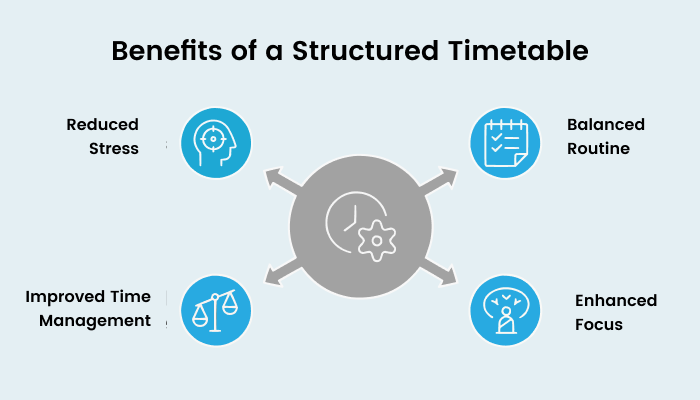
- Improved Time Management:
A clear timetable schedule for study helps students allocate sufficient hours to each subject based on difficulty and familiarity. - Reduced Stress:
Planning ahead removes the uncertainty that leads to last-minute panic. - Balanced Routine:
Incorporating breaks and leisure into your IGCSE revision timetable helps maintain mental and emotional well-being. - Enhanced Focus:
By dedicating fixed hours to each subject, students reduce distractions and build consistent study habits.
At GIIS KL, teachers often guide students on creating realistic schedules that promote productivity without overwhelming them. The school’s supportive environment and personalised learning approach make it easier for students to stay motivated throughout their revision journey.

How to Create the Best IGCSE Study Timetable
A good IGCSE study timetable balances study, rest, and recreation. Here’s a practical approach:
1. Assess Your Subjects and Priorities
Start by listing all the subjects and categorising them into three groups: strong, moderate, and weak. Weak areas should receive more time in your schedule, while stronger subjects need regular review to retain knowledge.
For example, a student who excels in English but struggles with Physics might dedicate extra sessions to scientific concepts while keeping brief daily reading tasks for English.
2. Set Realistic Study Blocks
Instead of studying for long, tiring hours, divide your time into 40–50-minute sessions followed by short breaks. This improves focus and retention.
Example:
- 8:00 am – 8:50 am: Mathematics
- 9:00 am – 9:50 am: Biology
- 10:00 am – 10:20 am: Break
- 10:20 am – 11:10 am: Chemistry
- 11:20 am – 12:10 pm: English Language
This balanced timetable for study for a student at home ensures productivity without exhaustion.
3. Include Regular Revision Periods
A successful IGCSE revision timetable includes time to review previously studied topics. Consistent revision helps transfer short-term learning into long-term memory.
Tip: Dedicate Sundays or one evening per week for revising older chapters and attempting past papers.
4. Stay Flexible and Review Weekly
An ideal timetable schedule for study should evolve. Monitor what works best for you — whether you retain more in the mornings or evenings — and adjust accordingly.
At GIIS KL, educators teach students how to self-assess and adapt their schedules based on progress, ensuring that each learner develops independent study skills for academic success.
Daily Routine for IGCSE Students
In addition to your study timetable for IGCSE, maintaining a healthy daily routine is equally important. Here’s a suggested structure:
Morning Routine
- Wake up early: Begin your day by 6:30 or 7:00 am.
- Exercise or meditate: Even 15 minutes of movement helps improve concentration.
- Review key notes: Spend 20 minutes revising what you studied the previous day.
Study Sessions
Follow your IGCSE study timetable throughout the day. Focus on challenging subjects in the morning when your energy is highest.
Afternoon Routine
- Lunch and short rest: Recharge with a healthy meal and a brief nap.
- Light study or practical work: Use this time for experiments, projects, or easier topics.
Evening Routine
- Revision: Review the day’s lessons using quick summaries or flashcards.
- Relax: Spend time with family, engage in hobbies, or exercise to unwind.
- Sleep early: A well-rested brain retains information better than one fatigued by late-night cramming.
GIIS KL emphasises holistic learning — combining academic rigour with well-being. Its guidance on mindfulness, time management, and balanced living helps students build strong habits beyond the classroom.
Integrating School Support into Your Schedule
Students at GIIS Kuala Lumpur, one of the leading private schools in Kuala Lumpur, benefit from structured study environments and mentorship programmes designed to prepare them for global curricula like IGCSE.
Key Features Supporting Study Success
- Personalised Academic Counselling:
GIIS KL offers mentorship sessions to help students create effective IGCSE revision timetables tailored to their strengths and goals. - Digital Learning Tools:
Smart classrooms, e-learning platforms, and AI-assisted assessments help students manage their study time tables efficiently. - Global Curriculum Alignment:
As part of the Global Schools Group, GIIS KL ensures its academic model aligns with IGCSE admission requirements, giving students a clear pathway to higher education worldwide. - Holistic Balance:
The school promotes co-curricular engagement, ensuring that students maintain a healthy balance between study, creativity, and physical activity — a philosophy deeply rooted in its Global Montessori Plus (GMP) and holistic education frameworks that begin at the kindergarten level.
Also Read: Virtual International School is the Future of Education
Common Mistakes to Avoid When Creating a Study Timetable
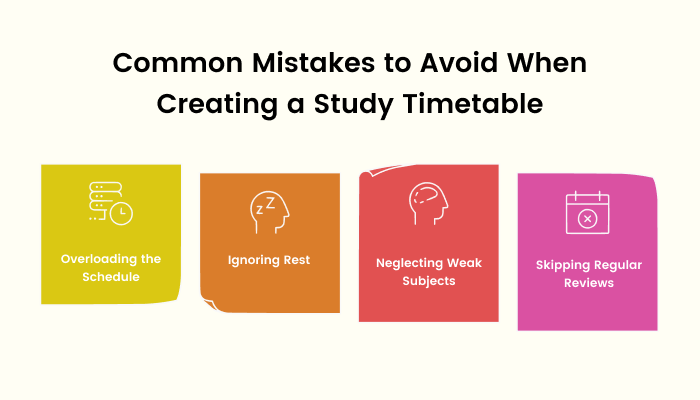
- Overloading the Schedule:
Avoid setting unrealistic study hours that can lead to burnout. - Ignoring Rest:
Sleep and recreation are crucial parts of the learning process. - Neglecting Weak Subjects:
Balance your time to strengthen areas of difficulty rather than focusing only on what you enjoy. - Skipping Regular Reviews:
Without consistent revision, it’s easy to forget older topics.
Conclusion: Stay Consistent, Stay Motivated
A well-structured study timetable for IGCSE is your roadmap to success. It ensures efficient use of time, reduces exam stress, and helps you perform at your best. Whether you are studying independently or enrolled at one of the private schools in Kuala Lumpur, discipline and consistency are the keys to achieving excellent results.
We, at GIIS KL, support students through every stage of their learning journey — from its nurturing international kindergarten in Malaysia to IGCSE and beyond — preparing them for global success. Start your child’s journey towards IGCSE excellence with GIIS KL today! Learn more about admissions, academic guidance, and personalised study support that aligns with your child’s goals and IGCSE admission requirements. Contact us.