Education today is evolving beyond traditional classroom teaching and textbook memorisation. Schools across the world are increasingly adopting interactive teaching approaches that help students apply knowledge in real-world situations. One of the most effective modern educational methods is experiential learning.
But exactly what is experiential learning?
Experiential learning is a hands-on educational approach where students learn through direct experiences, active participation, reflection, and practical application. Instead of simply listening to lectures or memorising information, students engage in activities that encourage problem-solving, collaboration, creativity, and critical thinking.
Leading institutions, including GIIS Kuala Lumpur, are integrating experiential learning into their academic frameworks to help students become more confident, adaptable, and future-ready learners. This approach is becoming increasingly popular among parents exploring IGCSE schools in Malaysia and internationally focused educational institutions.
Why Experiential Learning Matters
Understanding what is experiential learning is important because it reflects how modern students learn best. Research shows that children retain knowledge more effectively when they actively participate in the learning process.
Experiential learning encourages students to:
- Think independently
- Solve practical problems
- Communicate confidently
- Collaborate with peers
- Develop leadership abilities
These skills are essential not only for academic success but also for future careers and global opportunities.
At GIIS Kuala Lumpur, experiential learning is incorporated into classroom teaching, extracurricular programmes, leadership activities, and innovation projects.
What Are Experiential Learning Styles?
Different students learn in different ways, which is why various experiential learning styles are used in modern education.
Active Learning
Students participate directly through discussions, projects, role-playing, and presentations.
Reflective Learning
Students reflect on their experiences and evaluate what they have learned.
Collaborative Learning
Students work together in groups to solve problems and complete tasks.
Inquiry-Based Learning
Students ask questions, investigate ideas, and explore solutions independently.
Hands-On Learning
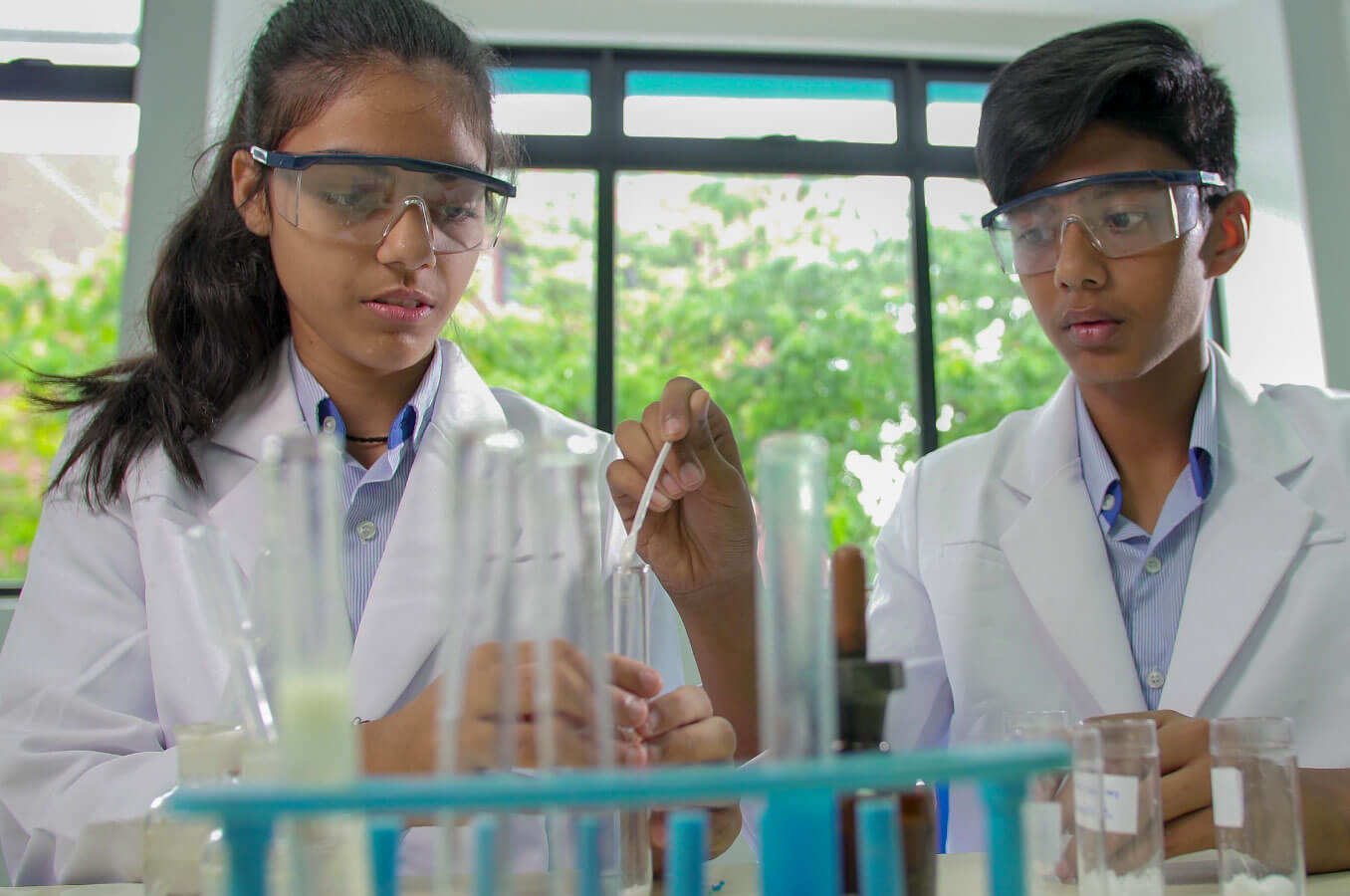
Students engage in practical activities such as science experiments, field trips, or creative projects.
These experiential learning styles help create dynamic classrooms where students become active participants rather than passive learners.
Benefits of Experiential Learning
The growing popularity of experiential education is largely due to the many benefits of experiential learning.
Improves Knowledge Retention
Students remember concepts more effectively when they apply them through real experiences and activities.
Encourages Critical Thinking
Experiential learning helps students analyse situations, solve problems creatively, and make informed decisions.
Builds Communication Skills
Interactive group projects and discussions improve communication, teamwork, and confidence.
Develops Leadership and Collaboration
Students learn to work with others, take initiative, and manage responsibilities.
Makes Learning More Engaging
Hands-on activities create enjoyable learning experiences that increase student motivation and participation.
These benefits of experiential learning are particularly valuable in modern educational environments where future-ready skills are highly important.
Role of Experiential Learning in Modern Schools
Today, many international schools and IGCSE schools in Malaysia integrate experiential learning into their academic systems.
GIIS Kuala Lumpur, for example, combines academics with leadership programmes, project-based learning, innovation activities, sports, and creative arts. This balanced educational model helps students develop academically while also building social and emotional intelligence.
Experiential learning is now considered a major factor when parents evaluate schools during secondary schools admission and even kindergarten admission in Kuala Lumpur.
Experiential Learning in Early Childhood Education
Experiential learning begins from the earliest stages of education. During kindergarten admission in Kuala Lumpur, many parents seek schools that offer play-based and interactive learning experiences.
Young children learn best through exploration, storytelling, creative play, music, and social interaction. Experiential learning at this stage supports:
- Cognitive development
- Communication skills
- Emotional confidence
- Curiosity and creativity
- Social interaction
GIIS Kuala Lumpur encourages experiential learning even at early childhood levels by providing engaging and child-centred educational environments.
Experiential Learning in Secondary Education
At the secondary level, experiential learning becomes more advanced and career-oriented. Many students in IGCSE schools in Malaysia participate in:
- Science and innovation projects
- Leadership programmes
- Community service initiatives
- Debate competitions
- Collaborative research assignments
These activities prepare students for university education and future workplaces.
Parents exploring secondary schools admission often prioritise institutions that combine academic excellence with experiential learning opportunities.
Experiential Learning Glossary: Important Terms
A – Active Participation
Students directly engage in classroom activities and discussions.
B – Brainstorming
Generating creative ideas and solutions collaboratively.
C – Collaboration
Working together with peers to achieve shared learning goals.
D – Discovery Learning
Learning through exploration and experimentation.
E – Experiential Learning
A learning approach where students gain knowledge through real-life experiences and active participation.
F – Feedback
Constructive guidance that helps students improve learning outcomes.
G – Group Learning
Collaborative educational activities involving teamwork and shared responsibilities.
H – Hands-On Learning
Practical activities that encourage active engagement and skill-building.
I – Inquiry-Based Learning
Students investigate questions and explore solutions independently.
J – Journaling
Reflective writing that helps students process experiences and learning outcomes.
K – Knowledge Application
Using learned concepts in practical or real-world situations.
L – Lifelong Learning
Developing continuous curiosity and learning habits.
M – Motivation
Encouraging student interest and engagement in learning.
N – Networking
Building communication and collaboration skills through interaction.
O – Observation
Learning by watching, analysing, and reflecting on experiences.
P – Problem-Solving
Analysing challenges and identifying effective solutions.
Q – Questioning
Encouraging curiosity and critical thinking through inquiry.
R – Reflection
Thinking about experiences to deepen understanding and learning.
S – Simulation
Practice-based learning activities that replicate real-world scenarios.
T – Teamwork
Collaborating effectively with others to complete tasks and projects.
U – Understanding
Developing deeper comprehension through practical application.
V – Visual Learning
Using images, demonstrations, and visual tools to support understanding.
W – Workshop Learning
Interactive sessions focused on skill development and participation.
Why Parents Prefer Experiential Learning Schools
Many parents today prefer schools that focus on experiential learning because these environments better prepare children for future academic and career success.
Modern employers and universities value students who can:
- Think critically
- Collaborate effectively
- Adapt to change
- Communicate confidently
- Solve real-world problems
This is why experiential learning is becoming increasingly important during secondary schools admission decisions.
Additionally, schools offering strong experiential programmes often attract families seeking scholarships for international students, as many scholarship providers value leadership, creativity, and holistic development alongside academic achievement.
Final Words
Understanding what is experiential learning helps parents appreciate the importance of hands-on, student-centred education in today’s world. Experiential learning goes beyond textbooks by helping students build practical skills, confidence, creativity, and global awareness.
The various experiential learning styles used in modern education encourage active participation, collaboration, and critical thinking, preparing students for future academic and professional success.
GIIS Kuala Lumpur continues to lead this educational transformation by combining academic excellence with experiential learning opportunities that support holistic development. Whether families are considering kindergarten admission in Kuala Lumpur, exploring secondary schools admission, or researching IGCSE schools in Malaysia, experiential learning remains an important factor in choosing the right educational environment.
If you are looking for a future-ready school that nurtures curiosity, creativity, leadership, and lifelong learning, explore how GIIS Kuala Lumpur can help your child thrive through innovative experiential education. Contact us for more details.
FAQs
What is experiential learning in education?
Experiential learning is a teaching approach where students learn through direct experiences, practical activities, reflection, and active participation rather than passive memorisation.
What are the benefits of experiential learning for students?
The main benefits of experiential learning include stronger critical thinking skills, improved communication, better knowledge retention, creativity, teamwork, and practical problem-solving abilities.
Why is experiential learning important in international schools?
Experiential learning helps students develop future-ready skills such as collaboration, leadership, adaptability, and global awareness, making it highly valuable in modern international education systems.