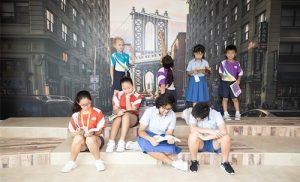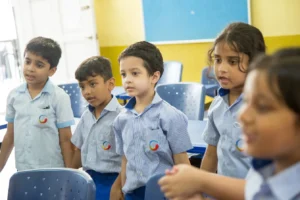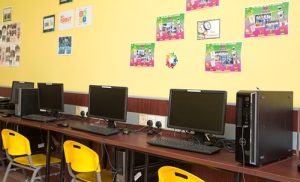
In today’s interconnected world, classrooms are becoming more multicultural, inclusive, and globally focused than ever before. As students from different cultures, backgrounds, learning styles, and experiences come together, the concept of Student Diversity has become an essential part of modern education.
But exactly what is student diversity?
Student diversity refers to the presence of students with varying cultural, linguistic, social, academic, and personal backgrounds within a learning environment. Diversity can include differences in nationality, ethnicity, religion, language, abilities, learning styles, socioeconomic backgrounds, and interests.
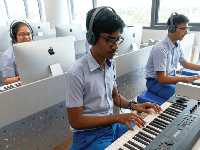
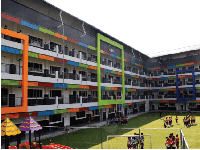
GIIS Kuala Lumpur actively promotes inclusive learning environments where students from different backgrounds can learn together, collaborate effectively, and develop global perspectives. This focus on diversity is one reason why many parents consider international institutions among the best schools in Kuala Lumpur.
Today, schools across Malaysia — from international institutions to Montessori schools and leading high schools in Malaysia — recognise that diverse classrooms help students become more adaptable, empathetic, and globally prepared individuals.
Why Student Diversity Matters
Understanding ‘what is student diversity’ is important because it directly influences how students learn, communicate, and interact with the world around them.
Diverse classrooms encourage:
- Broader cultural understanding
- Improved communication skills
- Greater creativity and innovation
- Better collaboration and teamwork
- Respect for different perspectives
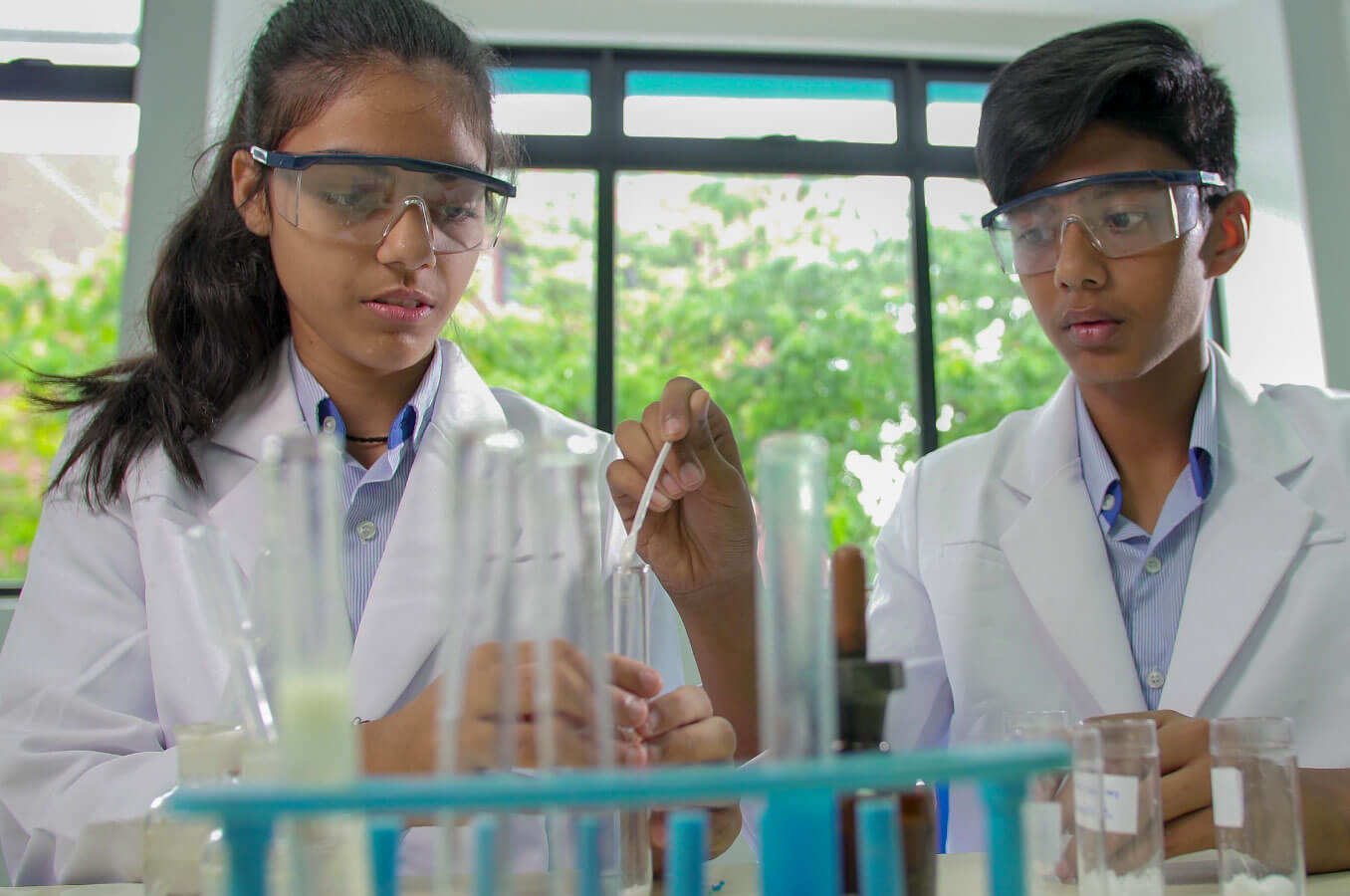
At GIIS Kuala Lumpur, diversity is integrated into both academic and extracurricular experiences, helping students build confidence and global awareness from an early age.
Types of Student Diversity
There are several important Types of Student Diversity commonly seen in modern educational institutions:
Cultural Diversity
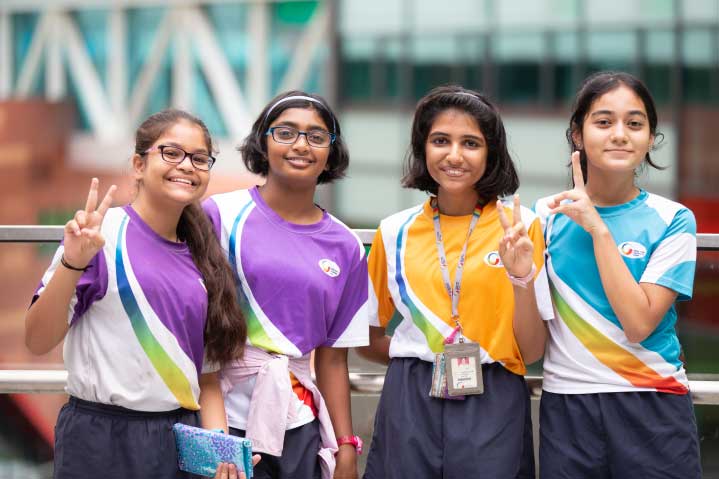
Students from different nationalities and cultural traditions learn together in multicultural classrooms.
Linguistic Diversity
Students may speak different native languages or have varying levels of English proficiency.
Academic Diversity
Every student learns differently and progresses at a unique pace.
Socioeconomic Diversity
Students come from different family backgrounds and life experiences.
Learning Diversity
Some students may excel through visual learning, while others prefer hands-on or collaborative approaches.
Recognising these Types of Student Diversity helps schools create more personalised and inclusive educational experiences.
Role of Diversity in Modern Schools
Many of the best schools in Kuala Lumpur now focus heavily on inclusion, collaboration, and global citizenship. International schools especially value diversity because it prepares students for future careers in multicultural environments.
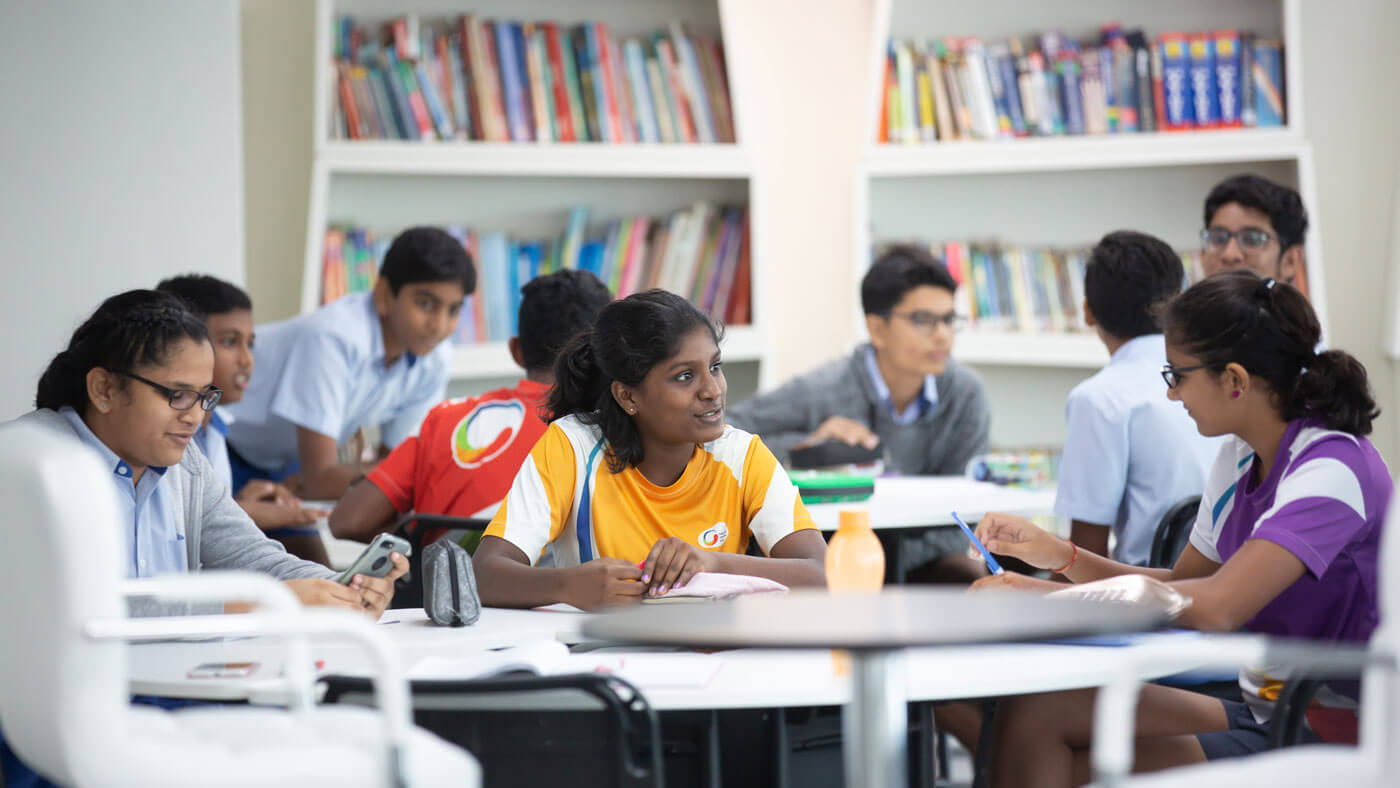
GIIS Kuala Lumpur, for example, encourages collaborative learning and cross-cultural understanding through group activities, leadership programmes, and global learning experiences.
Similarly, many Montessori schools promote individualised learning approaches that respect different learning styles and developmental needs.
A–Z Glossary of Student Diversity Terms
A – Active Recall
What is active recall? It is a learning technique where students actively retrieve information from memory rather than simply rereading notes. This method improves long-term retention and understanding.
B – Belonging
A sense of acceptance and inclusion within a school community.
C – Cultural Competency
The ability to understand and respect different cultures and perspectives.
D – Differentiated Learning
Teaching methods adapted to suit different student learning styles and abilities.
E – Equity
Providing fair opportunities and support based on individual student needs.
F – Flexible Learning
Educational approaches that adapt to different student preferences and paces.
G – Global Citizenship
Encouraging students to become responsible and culturally aware global individuals.
H – Holistic Education
An educational approach that supports academic, emotional, social, and ethical development.
I – Inclusion
Ensuring every student feels welcomed, respected, and supported regardless of differences.
J – Joint Learning
Collaborative activities where students work together to solve problems and complete tasks.
K – Knowledge Sharing
The exchange of ideas, experiences, and perspectives among students.
L – Learning Styles
Different ways students absorb and process information, such as visual, auditory, or kinaesthetic learning.
M – Multicultural Education
An educational environment that celebrates different cultures and backgrounds.
N – Neurodiversity
Recognition that individuals think and learn differently, including conditions such as ADHD or autism.
O – Open-Mindedness
The willingness to accept and respect different opinions and perspectives.
P – Personalised Learning
Educational approaches tailored to individual student strengths and needs.
Q – Quality Education
Learning experiences that support academic achievement and overall development.
R – Respect
Valuing differences and treating others fairly within the learning environment.
S – Student Diversity
The presence of students from varied cultural, academic, linguistic, and social backgrounds.
T – Teamwork
Collaborative learning experiences that encourage cooperation and communication.
U – Understanding
Developing empathy and awareness of different perspectives and experiences.
V – Values-Based Education
Teaching ethical principles such as respect, responsibility, and compassion.
W – Wellbeing
Supporting students’ emotional, mental, and physical health.
Y – Youth Development
Helping students grow academically, socially, emotionally, and personally.
Z – Zero Discrimination
Promoting equality and preventing unfair treatment based on differences.
How Schools Support Student Diversity
Leading international institutions and high schools in Malaysia use various strategies to support diverse student communities, including:
- Multicultural events and celebrations
- Inclusive teaching methods
- Language support programmes
- Collaborative classroom activities
- Emotional wellbeing initiatives
GIIS Kuala Lumpur integrates many of these practices into its holistic learning environment to help students feel supported and empowered.
Benefits of Diverse Learning Environments
Encourages Global Awareness
Students learn about different cultures, traditions, and viewpoints, helping them become globally minded individuals.
Builds Communication Skills
Interacting with diverse classmates improves communication, listening, and teamwork abilities.
Enhances Creativity and Innovation
Exposure to different perspectives encourages creative problem-solving and innovative thinking.
Prepares Students for the Future
Future workplaces are increasingly global and collaborative. Diverse school environments help students adapt confidently to international settings.
Student Diversity in Early Childhood and Secondary Education
From Montessori schools to international secondary schools, diversity plays an important role at every stage of education.
Younger students learn empathy, cooperation, and cultural awareness through play-based and collaborative learning. Older students benefit from broader perspectives, global discussions, and leadership opportunities.
This is one reason why many families exploring the best schools in Kuala Lumpur prioritise institutions that promote inclusion and multicultural learning.
Final Words
Understanding ‘what is student diversity’ is essential in today’s evolving educational landscape. Diverse classrooms help students become more empathetic, adaptable, creative, and globally aware individuals.
By embracing different ‘types of student diversity’, schools create learning environments where every student can thrive academically and personally. GIIS Kuala Lumpur continues to promote inclusive, future-ready education that prepares students for success in a globally connected world.
Whether you are exploring international schools, Montessori schools, or leading high schools in Malaysia, choosing a school that values diversity can positively shape your child’s confidence, communication skills, and long-term growth.
If you are looking for a globally focused learning environment that celebrates inclusion, collaboration, and holistic development, explore how GIIS Kuala Lumpur can help your child thrive in a diverse and future-ready educational community. Write to us, and our Admissions team will get back to you as early as possible.