Article Summary
- Don’t just choose a school based on reputation, but rather look at the curriculum, teaching style, student development, fees and university pathways.
- If you are looking at international schools in Malaysia, you need to consider your child’s learning style, interests, and long-term academic goals.
- Finally visit shortlisted schools, understand their admissions processes, and explore options such as GIIS Kuala Lumpur (GIIS KL) before making a decision.
Families in Malaysia’s international education landscape have an increasingly diverse choice of schools, curricula, and learning environments. This variety is valuable but can also make choosing the right school more complicated. When Malaysian parents Aisyah and Hakim compared schools for their daughter Nurin, they discovered that two schools with similar reputations can offer very different learning experiences.
Rankings and tuition fees can be useful points of reference, but they don’t provide a complete picture. Families should also look at the curriculum, the quality of teaching, student support, opportunities for extracurricular activities, facilities, and pathways to higher education.
Here are the key areas you should look at when trying to find the best international school in Malaysia for your child.
- Curriculum and Academic Pathway Comparison
One of the first questions to ask is, “What is the curriculum for secondary schools in Malaysia?'”International and private schools may offer varied pathways, including Cambridge programmes, CBSE and other internationally recognised curricula.
Parents should examine how each curriculum corresponds to their child’s academic strengths and future university plans. See the subjects offered, ways of assessment and if there is a clear progression from primary to secondary school.
GIIS KL gives families the flexibility to select either the Cambridge or CBSE academic pathway. Recognised curriculum options can be especially helpful for internationally mobile families who are seeking continuity in their child’s education.
- Assess the School’s Learning Environment
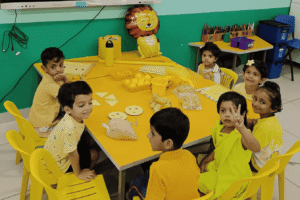
Curriculum matters, but so does how it is taught. If you are visiting an international school in Kuala Lumpur, check if classrooms encourage participation, collaboration, problem-solving, and independent thinking.
What is it about individualised and active learning approaches that makes them so attractive to Cambridge schools? These methods can result in students turning into active learners and not just information receivers. Active learning also allows students to apply concepts and develop their questions and analytical skills.
Parents should consider class sizes, teacher support, learning resources, and the use of technology. GIIS KL aims to create a student-centric learning environment that blends academic development with opportunities for students to explore their talents and interests.
- View Student Development Beyond Academics
A quality education should help children develop beyond exam results. Compare schools’ sports, arts, clubs, leadership, and other extracurricular activities.
For parents considering CBSE schools, the question may arise: “What kind of student development programmes can I expect from CBSE schools in Kuala Lumpur?” Offerings vary by school but may include sports, performing and visual arts, leadership initiatives, competitions, and activities designed to build communication and teamwork.
At GIIS KL, we believe in the holistic development of students along with academics. Our multicultural environment also gives students the chance to interact with peers from different backgrounds, fostering confidence, collaboration, and a broader global perspective.
- Compare Admissions, Fees & Family Support
Another important part of the comparison is understanding international school admissions in Malaysia.
International and private schools in Malaysia are open to students of all nationalities. Eligibility and documentation rules also vary from school to school, so parents should explore the criteria for each school directly. The process may include an application, previous academic records, and age-appropriate assessments or interactions.
How are the fees in international schools in Malaysia? Costs can vary greatly depending on the school, along with curriculum and year level. Compare registration or application fees, transportation, food, uniforms, activities, examination fees, and any other possible expenses apart from tuition fees.
International and expatriate families should also consider how well a school supports new students and parents during admissions, onboarding, and transition.
- Explore University Pathways and Global Exposure
Secondary education should prepare students for what’s next. Look at the recognition of the school’s curriculum and its effectiveness in preparing learners for higher education in Malaysia and abroad.
The IGCSE curriculum prepares students for higher education globally in what ways? Cambridge IGCSE is a recognised secondary-level qualification that promotes a broad curriculum, encouraging subject knowledge and skills such as inquiry, problem-solving, and independent learning. Students can then progress to pertinent pre-university pathways in accordance with their aspirations.
When comparing schools, ask about academic guidance, subject choice and how students are prepared to be increasingly independent learners.
- How to Choose the Best International School in Malaysia
So what are the best international schools in Malaysia? There is no standard answer for families. The better question is which school is the best fit for your child.
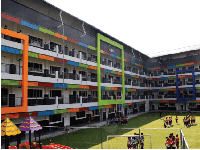
Compare schools using the same criteria: curriculum, faculty, facilities, fees, location, extracurricular opportunities, learning support and future pathways. Once you have narrowed it down, visit the campuses and meet the admissions teams. Ask questions about classroom practices and everyday student life, not just brochures or reputation.
Most importantly, think about where your child will get the most support, challenge, and motivation.
Why GIIS Kuala Lumpur Should Be on Your Shortlist
If you are a family looking for an international school in Malaysia with a multicultural learning environment and recognised academic pathways, then GIIS Kuala Lumpur is worth considering.
At GIIS KL, we provide Cambridge and CBSE pathways with a focus on academic learning, holistic student development, and support. Our approach aims to provide students with opportunities to develop knowledge and broader abilities through both academic and co-curricular experiences.
For families who want to compare an international school in Kuala Lumpur, these factors can make GIIS KL worth consideration alongside other shortlisted schools.
Final Words
The decision of choosing an international school is far more complex than just looking at rankings or tuition fees. When making your decision, consider the curriculum, learning environment, student development, family support, costs, and future education pathways.
A well-thought-out shortlist, based on your child’s needs and long-term goals, can make the process much clearer.
If GIIS KL is on your list of schools to consider, learn more about our academic pathways, student development opportunities, and campus environment, and connect with our admissions team to find out if GIIS Kuala Lumpur is the right fit for your child.
FAQs
- How do I compare international schools in Malaysia?
Compare curriculum, teaching methods, faculty, facilities, student support, extracurricular activities, fees, location & university pathways using the same criteria for each school.
- What should I look for when choosing the best international school in Malaysia?
Consider your child’s specific learning needs, the standard and suitability of the curriculum, the teaching environment, opportunities for student growth and long-term academic pathways.
- Which curriculum is best for international school students in Malaysia?
There is no curriculum that can be best for all. Cambridge, CBSE, and other recognised pathways all have their strengths, and the right option for a student will depend on their learning needs and future plans.
- How much do international schools in Malaysia typically cost?
Fees vary greatly between institutions and between years of study. Parents should compare the cost of tuition with registration, transport, uniforms, meals, activities and exam-related costs.
- How can parents compare international school admission requirements?
Check the official eligibility criteria, the required documents, the assessment procedures, the timelines, and the available places of each school. Talking directly to the admissions teams can help you find answers to your questions.