Article Summary
- Multicultural education exposes children to a variety of cultures, ideas and perspectives, helping them to become more open-minded learners.
- Inclusive learning creates an environment where children from different backgrounds feel respected, engaged and confident to attend.
- Cultural diversity in education can help promote communication, collaboration and global awareness – skills that students can carry forward into university, work and life.
A classroom can teach children so much more than what is written in a textbook. Students learn with and from classmates from different languages, traditions, experiences and perspectives, which means that day-to-day interactions become opportunities to understand the wider world.
This is also why multicultural education is becoming more relevant in globally connected communities such as Kuala Lumpur. At GIIS KL, we believe that a diverse educational environment will help children to listen to different perspectives, communicate confidently and to respect others. Our school provides Cambridge and CBSE pathways in a multicultural environment.
What Is Multicultural Education?
Multicultural education is a viewpoint that validates and integrates diverse cultures, backgrounds, and perspectives into the educational experience.
Importantly, it is not confined to the celebration of international days, food, clothing or festivals. It can be integrated into the fabric of everyday classroom life. Students may look at a historical event from several points of view, collaborate with classmates with different backgrounds, or reflect on how communities worldwide respond to a shared challenge.
Such experiences can be especially beneficial for children in Malaysia who are enrolled in primary school. Primary school is an important time for children to develop their literacy, numeracy and subject knowledge, as well as their social, cultural, emotional and communication skills. GIIS KL offers Cambridge Primary and CBSE for primary grades with learning that extends beyond core academics to cater for holistic development.
How inclusive learning helps all learners
Diversity matters only when learning is inclusivity-based.
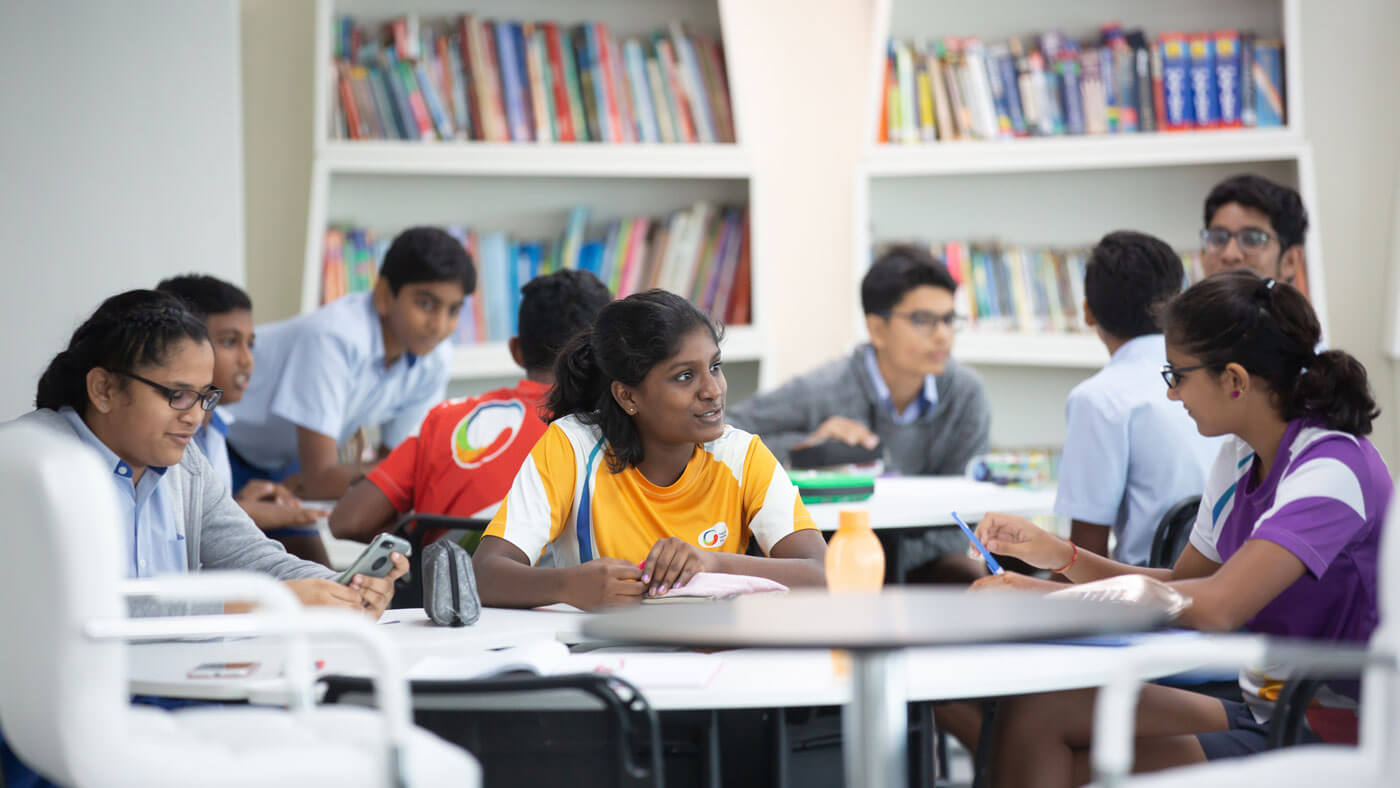
An inclusive classroom creates opportunities for children to participate, express their thoughts and learn from one another. Teachers know that all students do not think, speak or learn the same way. They know that students come to the classroom with a range of experiences to share.
We, at GIIS KL, have other initiatives like the Student Improvement Plan for personalised support, multiple language classes and the Cambridge and CBSE curricula.
| Traditional Classroom Environment | Multicultural and Inclusive Learning Environment | |
| Greater emphasis on a common perspective | Encourages multiple perspectives | |
| Students may mainly learn from teachers and textbooks. | Students also learn through peer interaction. | |
| Similar approaches may be used across the class. | Different learning needs are recognised | |
| Cultural topics may be treated separately. | Cultural awareness can become part of everyday learning. |
The Advantages of a Multicultural School Environment
Multicultural learning has several benefits, one of which is that important life skills can develop naturally through everyday experiences.
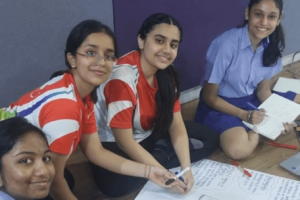
For example, children may discover that there is more than one way to solve a problem when they work on a group project with classmates from different backgrounds. They learn to express their own reasoning clearly, listen to someone else’s reasoning and find common ground.
These interactions can improve communication and collaboration over time. Children also learn that customs, views and ways of communicating can be different.
Multicultural education can also develop empathy and respect. Children see diversity in their everyday school lives rather than being told to value differences.
Academics at GIIS KL support holistic development through our 9GEMS™ framework, which includes areas such as emotional intelligence, innovation, performing arts, and community connection.
Multicultural Learning: Equipping Students for a Global Future
Children growing up today will likely study, work and collaborate with people from many parts of the world.
A multicultural classroom can expose children to that reality early on. It teaches the children that new ideas don’t have to be scary. Instead, they can be an opportunity to ask questions, challenge assumptions and learn something new.
This global outlook is even more relevant when families are considering international schools in Kuala Lumpur. Besides curriculum and grades, parents might want to consider if a school provides their child opportunities to interact, collaborate and build relationships with a diverse community.
| Multicultural Learning Experience | Skill Developed |
| Group projects with diverse classmates | Collaboration |
| Discussing different viewpoints | Critical thinking |
| Learning about cultures and traditions | Cultural awareness |
| Presenting ideas to peers | Communication |
| Resolving differences respectfully | Empathy and problem-solving |
| Exploring international topics | Global-mindedness |
How schools can create more inclusive learning environments
An inclusive school community is more than just putting together students of different backgrounds in the same classroom. Schools need to provide meaningful opportunities for those students to learn together and from each other.
Teachers can bring literature, case studies and examples from different parts of the world. Group activities can help students to work with different classmates, rather than sticking to their usual friendship groups.
Respectful discussion in the classroom is just as important. Kids need to be able to feel safe to ask questions and learn how to disagree with someone without dismissing their experiences.
Learning a language could be another bridge between cultures. English is the primary language of instruction at GIIS KL, with other language options being offered as part of our programmes.
Final Words
Multicultural education is a way to enrich learning because it helps children understand their worlds and the worlds of the people around them. Distinct perspectives and inclusive learning can assist learners to cultivate empathy, communication, collaboration and adaptability and broaden outlook.
GIIS KL offers a globally-recognised Cambridge and CBSE curriculum, combined with holistic learning opportunities in a multicultural school environment.
If you are researching international schools in Kuala Lumpur and would like to find out how our learning environment can support the academic and personal development of your child, book a campus tour or speak to our admissions team to experience life at GIIS KL firsthand.
FAQs
- What is Multi-Cultural Education?
Multicultural education is an approach to instruction and learning that brings students into contact with diverse cultures, perspectives and experiences, while promoting respect, understanding and meaningful participation in the classroom.
- What are the benefits of a multicultural school environment for students?
In a multicultural environment, students regularly communicate and collaborate with people from different backgrounds. This can help enhance cultural awareness, empathy, adaptability and interpersonal skills.
- Inclusive learning: what is it?
Inclusive learning is about creating an educational environment where students from different backgrounds, abilities, experiences and learning needs are respected and given meaningful opportunities to participate.
- How do students develop their social abilities through multicultural education?
Students learn to listen, express their views, resolve differences and appreciate other perspectives (which may be different from their own) through teamwork, classroom discussions and everyday interactions.
- How does a diverse school setting help students get ready for the future?
Various environments introduce children to different opinions and styles of communication. These experiences can help them become more adaptable, collaborative, and globally minded as they progress to higher education and eventually enter diverse workplaces.