Article Summary
- The CBSE curriculum is structured and concept-focused and can be helpful for internationally mobile families to move between India and other countries.
- The primary benefits of the CBSE curriculum are the following: a good base in Maths and Science, progressive learning and preparation for higher education Scope for overall development
- If you’re a parent looking for a CBSE school abroad, don’t just consider the academics. Consider the quality of teaching, the extracurricular activities, the wellbeing of the students, the facilities, the options for university and the support for families relocating to a new country.
For Kuala Lumpur parents Aisha and Farid, the hunt for schools for their daughter, Nur, was a familiar dilemma. How could they give her the international learning experience without interrupting the academic track that she was already on? Beyond the global exposure, continuity was a factor, being able to go to India or some other country later.
This flexibility is why the CBSE curriculum has been very attractive to many Indian families and expats living abroad. It provides for an internationally recognised and structured academic curriculum, while schools abroad can offer multicultural experiences, modern facilities and extracurricular opportunities.
As a family searching for a CBSE school in Kuala Lumpur or any other overseas place, an important first step is to understand how the curriculum works. This guide covers CBSE subjects, academic structure, advantages of CBSE curriculum education, student development and what parents should consider when choosing a school.
- What is the CBSE curriculum?
The Central Board of Secondary Education (CBSE) is a national education board of India, recognised for its structured and progressive academic framework. The curriculum is designed to provide a sound grounding in understanding concepts and applying knowledge, rather than in mere rote learning of facts.
As students progress through school, subjects and expectations for learning change in a systematic way. There is an emphasis on mathematics, science and languages; social science and other subjects contribute to a broad education.
A big advantage for internationally mobile families is continuity. Students moving from one country to another could continue with the familiar CBSE curriculum, with less difference in academic structure and subject progression.
- What are the advantages of pursuing the CBSE curriculum overseas?
Students can enjoy the benefits of both the familiar CBSE curriculum and the cultural diversity and broader experiences that come with studying abroad. Depending on the school, this might include international peer groups, technology-enabled classrooms, extracurricular programmes and opportunities to develop global competencies.
- 3. How does the CBSE curriculum work in foreign countries?
CBSE schools abroad operate in an international setup but follow the board’s academic pattern. They can learn a familiar curriculum but interact with classmates and teachers of diverse cultures.
For example, an international school in Kuala Lumpur may combine CBSE academic requirements with modern learning resources, collaborative projects, educational technology and extracurricular activities.
English medium instruction also equips students with the vital communication skills needed for university and future careers.
The standard CBSE curriculum can make it easier for families who move around a lot to transfer from one CBSE school to another in a different country. But parents should always check with the schools themselves to find out about grade placement, the subjects that are on offer and the admission requirements.
- CBSE Subjects and System of Education
At the primary level, learning generally lays foundations in subjects such as mathematics, languages, environmental studies and other age-appropriate disciplines.
The curriculum becomes more specialised as students progress through their education. Mathematics, science, social science and languages are all essential parts of secondary education. Individual schools provide other subjects and activities.
The choice of subjects is especially important at the senior secondary stage. Students can pick combinations based on pathways like science, commerce or humanities depending on what’s available in their school.
When choosing subjects, families should consider future university entry requirements. If you’re a student with an interest in engineering, medicine, business or the humanities, you may need specific subject combinations to satisfy the entry requirements. So it is important for parents to have conversations about long-term goals with teachers and academic counsellors, rather than making subject selection a standalone decision.
- Major Benefits of CBSE Curriculum Abroad
Families who are internationally mobile may find the benefits of a CBSE education especially relevant.
First, the CBSE curriculum is structured in an orderly manner and maintains a strong academic focus. This can be useful for families who plan to go back to India or to another country.
Secondly, CBSE has a strong base in mathematics and science. Progressive learning and conceptual understanding can help students to proceed to higher levels of study.
Thirdly, the curriculum may be a useful preparation for higher education and for examinations. Familiarisation with the concepts covered in the CBSE curriculum can also help students preparing for Indian competitive examinations.
Last but not least, CBSE schools abroad can provide students with the best of both worlds: an Indian academic path that is recognised and an experience in an international environment. The experience will vary depending on the school, so it is important for parents to compare teaching methods, resources and student opportunities.
- How CBSE Supports Holistic Student Development
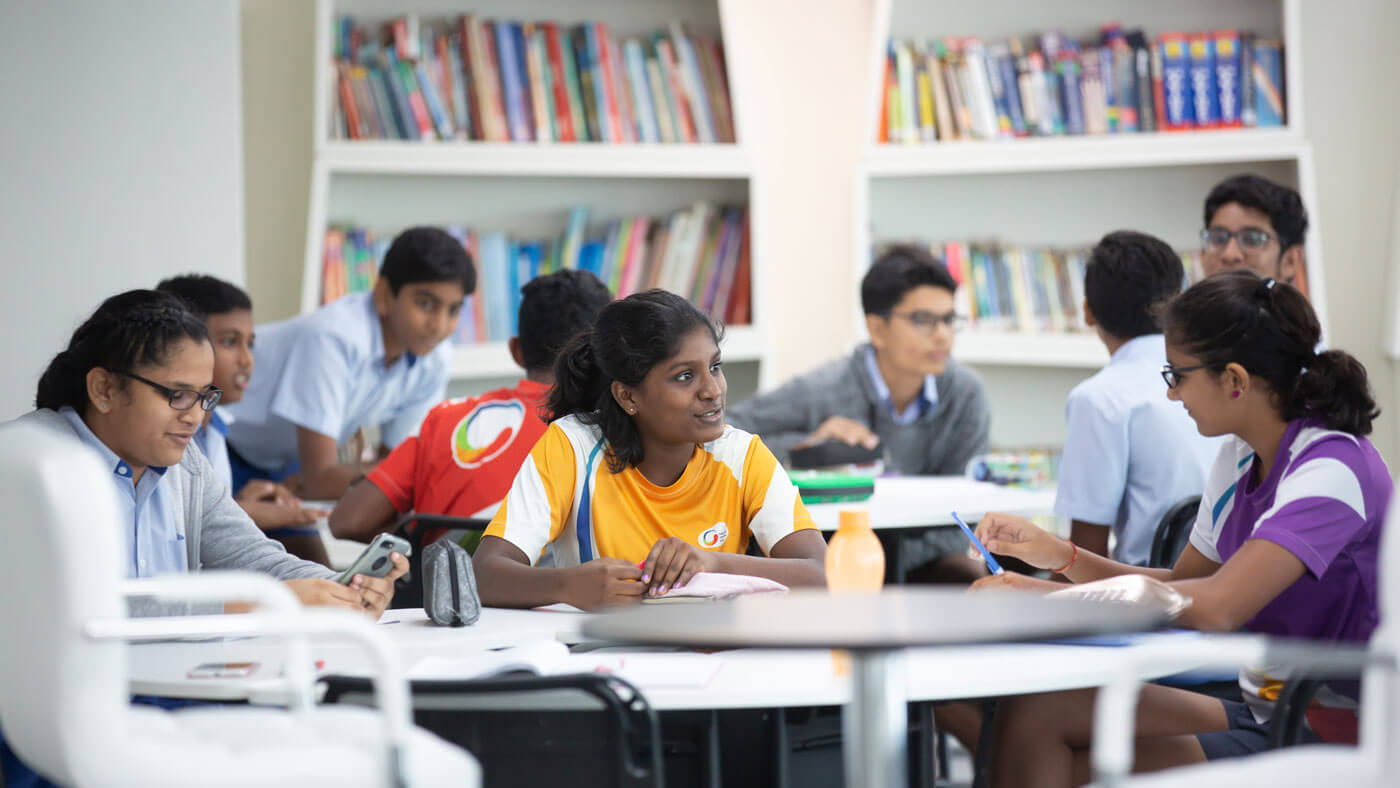
Studying abroad is more than getting exam results. A positive CBSE school experience should also help students to develop skills in communication, leadership, teamwork, creativity and problem-solving.
Sports, performing arts, clubs, competitions, projects and student-led initiatives can be a great supplement to classroom learning. Experiential activities provide students with the opportunity to apply knowledge, work with peers and become more confident communicators.
- What student development programmes are there in CBSE schools in Kuala Lumpur?
Programmes vary from school to school, but families can expect to find programmes in sports, arts, leadership, public speaking, technology, community service and other extracurricular activities.
At GIIS Kuala Lumpur, the CBSE learning experience is complemented by opportunities which aim to support students to grow holistically. It provides students with academics and sports, arts, extracurricular learning and leadership opportunities to explore interests beyond the traditional classroom.
- Why do Indian families opt for CBSE schools abroad?
Familiarity makes the international transition that much easier for Indian families living abroad. Kids can stay in an academic environment their families know and gain exposure to other cultures and perspectives.
This continuity can also be helpful for families returning to India, as students moving from one CBSE school to another will likely find a broadly familiar academic structure.
- Why are expat families opting for international schools in Malaysia?
There are many expat families who seek schools with international-minded environments, English-medium education, student diversity and strong academic pathways. Extracurricular options and support systems that facilitate children’s adjustment to a new country may also be of importance to them.
For some families, a CBSE school in Kuala Lumpur offers a compelling combination – a familiar curriculum and the chance to experience multiculturalism. One such school that offers the CBSE curriculum in a global school environment is GIIS Kuala Lumpur, where students can build a global outlook while taking the familiar academic route.
- How to Choose the Right CBSE School Abroad?
Parents should base their school choice on how well a school delivers the curriculum and not on the basis of a CBSE tag.
Consider the teacher’s experience, classroom interaction, and whether the teaching promotes conceptual understanding. Science, technology, sports, arts, and other activities are also important. Facilities for student support and pastoral care are just as important, especially for children adjusting to a new country or school setting.
There are also practicalities. Check out the fees, location, directions and what you need to get in.
For older students, ask about subject combinations, academic counselling and university preparation. The right school for a student will fulfil their current learning needs and support their longer-term educational vision.
- Why choose a CBSE school in GIIS Kuala Lumpur?
GIIS Kuala Lumpur is one of the options for families looking for a CBSE school in Kuala Lumpur.
GIIS KL offers the CBSE curriculum in an international and multicultural environment. It is not only academics; its way of learning involves opportunities in sports, arts, leadership and extracurricular learning.
This combination can be valuable for Indian and expat families looking for continuity of curriculum and, at the same time, broader exposure. Students are able to follow a structured CBSE academic pathway and develop skills and experiences that are relevant for life in an increasingly interconnected world.
Parents are advised to research the curriculum offerings, facilities, activities, admissions criteria and grade levels currently available at GIIS Kuala Lumpur to determine if the school is the right fit for their child.
- Common Questions Parents Should Ask Before Choosing a CBSE School
Before making a final decision, parents should ask the following:
- Is CBSE available for all the grades my child needs? This is especially true for families that plan to live abroad for several years.
- What classes and extracurricular activities are available? Explore options available at the current and senior secondary levels.
- How does the school help students to develop? Ask about sports, arts, leadership, wellbeing, counselling and experiential learning.
- What are the admission requirements and costs? Find out about tuition fees, extra costs, transport arrangements and documents needed.
- How does the school prepare students for university? Secondary students learn about academic support, choosing subjects and preparing for university.
Final Words
The CBSE curriculum enables students to attain the benefits of multicultural experiences in international education while providing a structured and familiar academic trajectory to pursue studying abroad. Its academic base, scope for holistic growth and curricular progression make it a practical choice for many internationally mobile families.
But picking the right CBSE school is all about the total student experience. When making a decision, parents should look at teaching quality, subjects, extracurricular activities, the wellbeing of students, facilities, fees and future university pathways.
At GIIS KL, we are a home for families seeking an international school in Kuala Lumpur with a CBSE pathway, where academic learning is blended with opportunities in sports, arts, leadership and overall student development.
Searching for the top CBSE schools in Kuala Lumpur? Discover whether GIIS KL is a suitable place for your kid’s educational journey. Find out more about our CBSE programme, student opportunities and admissions. Book a school visit!
FAQs
- What are the benefits of the CBSE curriculum abroad?
Some of the key advantages of education in the CBSE curriculum abroad are academic consistency, structured learning, robust fundamentals of mathematics and science, and the combination of a familiar Indian curriculum with global perspectives.
- Is the CBSE curriculum recognised internationally?
Yes, universities around the world recognise the CBSE. Students use CBSE qualifications to apply to universities in India and abroad. Entry requirements for university differ from country to country, institution to institution and course to course, so families should check the specific admission criteria.
- What subjects are offered under CBSE?
Subjects usually covered include mathematics, science, languages and social science, with more options available in higher grades. The subjects in high school are dependent on the school.
- Is CBSE a good option for Indian students living abroad?
It can be especially good for students who want continuity with the Indian education system, especially if their families might be moving to India or to another country with CBSE schools in the future.
- How do I choose the right CBSE school abroad?
Compare curriculum delivery, teacher experience, facilities, extracurricular programmes, student support, fees, location, and future academic pathways. Visiting the school and meeting the admissions and academic teams is also helpful.
- Can students transfer from one CBSE school to another school in another country?
The curriculum is useful for mobile families, as students can shift from one CBSE school to another. But note that transfer procedures, admission requirements and subject availability may differ, so you should check with the receiving school.