Article Summary
- The transition from primary to secondary school can involve academic, social and emotional change, so children may need time to settle in.
- Parents can help by encouraging organisation, independence, healthy communication and involvement in school life.
- A positive experience in secondary school can build the skills students need for future learning and post-secondary education.
Moving from primary to secondary school is a big step! For kids, it can be exciting one day and a little overwhelming the next. Suddenly there may be more teachers, new classmates, a bigger campus, different subjects and more responsibility to keep up with schoolwork.
Parents can help make this transition smoother by providing a balance of guidance and independence. “We think it’s better to give children time to understand new routines, make friends and get used to the expectations of secondary education, rather than expecting them to adjust straight away.”
The transition from primary to secondary school
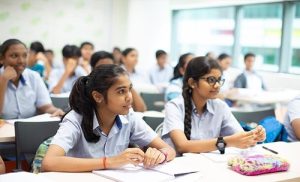
Life at secondary school can be very different from primary school. Students can move classrooms and work with several subject specialists, as opposed to being with one class teacher for most of the day.
They might also experience a wider range of subjects, more homework and expectations around deadlines, revision and self-directed learning.
For example, the Cambridge International Curriculum allows students to specialise more and more as they progress along the Cambridge Pathway. Students are encouraged to develop their understanding, use their knowledge and become more confident and independent learners.
This change is not merely theoretical. Children are also finding their role in a new social environment. Studies of school transitions have long highlighted the significance of factors such as school belonging, peer relationships and mental health at this time.
Before the first day, parents can talk about what is likely to change. Even talking casually about schedules, homework, or changing classrooms can help make new routines feel less intimidating.
Getting Your Child Ready for Academic Changes
One of the best things parents can do is to help children develop good habits before their workload gets more demanding.
Encourage your child to use a planner or calendar to keep track of homework, projects and tests. Also, having a regular place and time for studying can make schoolwork easier to manage.
If things go wrong, don’t try to take command. A forgotten assignment, a poorly executed project, can become an opportunity to ask yourself, “What would you do differently next time?”
These are habits that take time to develop. Indeed, the seed for independence is sown long before secondary school. From playschool Kuala Lumpur programmes to primary years and adolescence, children benefit when given age-appropriate opportunities to make choices, solve problems and take responsibility.
Infographic Idea: Subjects, Teachers, Schedules, Homework and Student Responsibility Changes in Primary School versus Secondary Education
Supporting Your Child’s Emotional Health
Just because a child looks forward to secondary school doesn’t mean they have no worries.
They may be wondering whether they will make friends, do their homework, find their classrooms, or get along with new teachers. Instead of rushing to offer solutions, give them time to explain how they are feeling.
Questions such as “What was the best part of your day?” or “Did anything get difficult today?” can feel more natural than constantly asking if everything is fine.
It’s also helpful to remind kids that settling takes time. They don’t need to know all the routines, make best friends, or be brilliant in every subject in their first few weeks.
Promoting self-reliance and accountability
Secondary school is a great time to start to transfer the responsibility from parent to child.
Get children to pack their own school bags, check their timetables, keep track of deadlines and prepare what they need for the next day. Parents can still give support, but the child should become more responsible.
| Area | Primary School | Secondary Education |
| Academics | Broad foundational learning | Greater subject depth and specialisation |
| Teachers | Often fewer teachers | Multiple subject teachers |
| Routine | More guided | Greater personal organisation |
| Social life | Familiar class groups | Wider friendship networks |
| Homework | Usually closely supervised | More independent management |
| Responsibility | Parent/teacher supported | Increasing student ownership |
Independence is not about leaving children to their own devices to cope with everything. It means being there for them, but also allowing them to practise making decisions on their own.
Helping Your Child Develop New Social Relationships
When you start secondary school, one of the big worries is friendships.
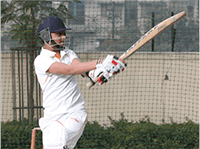
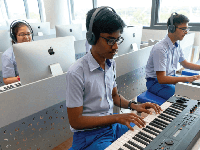
Encourage your child to join clubs, sports, music, arts or other activities they really like. Shared activities present natural opportunities to meet other students with similar interests without pressure for children to “make friends” right away.
Extracurricular activities can also help a child to feel more connected to school. Activities such as sport, performance, service and teamwork can provide opportunities to practise communication, collaboration and leadership.
And also talk about healthy friendships at home. Kids should be able to talk about arguments, peer pressure or changing groups of friends without the fear that the grown-up will automatically judge or step in.
Getting Ready for Life after Secondary School
University or postsecondary education may seem a long way off, but secondary school slowly builds up the foundation for what is to come.
Students explore topics in greater depth and find out where their interests and strengths lie. Programmes such as the Cambridge International Curriculum can offer a logical progression through different stages of learning while developing subject knowledge and wider learning skills.
Parents do not need to ask a 12-year-old to decide on a career for the future. Cultivate curiosity, instead. If your child is into science, let them explore it. If they love drama, coding, sport, music or writing, provide them with opportunities to pursue these interests. These experiences can help students make better choices about subjects, qualifications and future pathways over time.
Final Words
The transition from primary to secondary school is not something children have to master overnight. It is a slow process of adapting to new academic and social expectations, becoming more organised, independent and confident.
Parents can be supportive by listening, keeping routines, and allowing kids to work through age-appropriate problems on their own. With appropriate support at home and school, this transition can be an important step toward more independence and preparedness for postsecondary education.
Is your child getting close to starting secondary school? Have a word with the school’s admissions or academic team, learn about its curriculum and student-support programmes, and arrange a campus visit to get a sense of how it helps students make a confident transition.
FAQs
1. How can I help my child transition from primary school to secondary education?
Talk openly about the differences, establish good study habits, and encourage your child to take on simple responsibilities. Visiting the secondary school in advance can also make the new environment feel more familiar.
2. What are the biggest differences between primary school and secondary education?
Secondary students usually have more subject teachers, more academic depth, more complicated timetables and more responsibility for homework, assessments and organisation.
3. How can parents support children who feel nervous about starting secondary school?
Listen without diminishing their concerns, and let them know it’s normal to feel unsure during a big transition. Encourage them to take their time and not to expect everything to feel comfortable straight away.
4. How can children develop independence during secondary education?
Children can start by planning their timetable, packing their bag, keeping up with assignments, scheduling study time and talking to their teachers when they need help. Parents can help guide their children, but they cannot take on these responsibilities for them.
5. How does secondary education prepare students for post-secondary education?
Secondary education allows students to deepen their knowledge of subjects while developing independent learning, organisation, communication, critical thinking and problem-solving skills. It also provides opportunities for them to explore interests that could influence future subject choices and post-secondary education paths.