In recent years, the landscape of education has undergone a profound transformation. With the rise of digital platforms, online education benefits have become increasingly evident for students, parents, and educators alike. Virtual classrooms are no longer a temporary solution but a powerful, long-term approach to delivering quality education across borders. From flexibility to global exposure, the advantages of online education are shaping the future of learning.
Flexibility and Convenience
One of the most significant advantages of online learning is flexibility. Students can access lessons from anywhere, allowing them to learn at their own pace and schedule. This is especially beneficial for families balancing multiple commitments or living in different time zones.
In regions with diverse schooling options such as Malaysia, where parents often explore high schools in Malaysia or even international curricula, virtual classrooms provide a seamless way to access quality education without geographical limitations. GIIS KL has embraced this flexibility, offering structured yet adaptable online programmes that address the needs of modern learners.
Personalised Learning Experience
Another key factor that highlights the benefit of learning online is the ability to personalise education. Unlike traditional classrooms, virtual learning platforms often use adaptive technologies that cater to individual learning styles and speeds.
Students who require extra support can revisit recorded lessons, while advanced learners can move ahead without being held back. This level of customisation is rarely achievable in conventional settings. Even Montessori schools, known for their child-centric approach, are incorporating online tools to extend personalised learning beyond the physical classroom.
Access to Global Resources and Expertise
Online education breaks down geographical barriers, giving students access to a wide range of global resources. From international guest lectures to diverse learning materials, students gain exposure that goes beyond textbooks.
For example, GIIS KL integrates global perspectives into its programmes, ensuring students are not only academically competent but also globally aware. This makes virtual learning especially appealing for parents seeking the best schools in Kuala Lumpur that offer a truly international outlook.
Enhanced Technological Skills
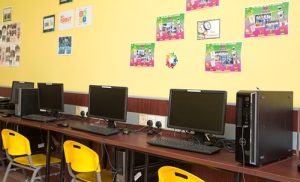
In today’s digital age, technological proficiency is essential. One of the overlooked online education benefits is the development of digital literacy. Students become familiar with tools such as virtual whiteboards, collaborative platforms, and online research databases.
These skills are not only crucial for academic success but also for future careers. By participating in virtual classrooms, students naturally build confidence in navigating digital environments—an essential competency in the modern workforce.
Improved Engagement Through Interactive Tools
Contrary to common misconceptions, virtual classrooms can be highly engaging. Modern platforms incorporate interactive features such as live polls, breakout rooms, and multimedia presentations.
These features highlight the advantages of virtual classrooms for students, as they encourage active participation rather than passive listening. Many schools, including GIIS KL, utilise these tools to create dynamic and immersive learning experiences that keep students motivated.
Inclusivity and Accessibility
Another major benefit of online education is inclusivity. Students who may face physical, geographical, or financial barriers can now access quality education more easily.
For families exploring high schools in Malaysia, online education offers an opportunity to access top-tier institutions without relocation. This is particularly valuable in a multicultural hub like Kuala Lumpur, where diversity and accessibility are key considerations.
Cost-Effectiveness
Online education often reduces costs associated with transportation, accommodation, and physical materials. While maintaining high academic standards, virtual classrooms offer a more economical alternative for families.
Preparing Students for the Future
Ultimately, the advantages of online education extend beyond academics. Virtual learning fosters independence, self-discipline, and time management—skills that are essential for lifelong success.
As education continues to evolve, schools that integrate both traditional and digital approaches will lead the way. GIIS KL stands as an example of how innovation can enhance learning outcomes while maintaining a strong academic foundation.
Final Words
The shift towards virtual classrooms is not just a trend—it is a transformation in how education is delivered and experienced. From flexibility and personalisation to global exposure and technological advancement, the advantages of online learning are undeniable.
If you are exploring the best schools in Kuala Lumpur or considering high schools in Malaysia, now is the perfect time to embrace the possibilities of online education. GIIS KL is at the forefront of this evolution, offering innovative learning solutions tailored to the needs of modern students.
Take the next step—explore online learning opportunities at GIIS KL and empower your child with a future-ready education.
FAQs
Q1. What are the key advantages of online education for students today?
The key advantages of online education include flexible learning schedules, access to global resources, personalised study plans, and the ability to learn from anywhere. Students also gain important digital skills, making online learning a future-ready education model.
Q2. How does a virtual classroom benefit student learning and engagement?
The advantages of virtual classrooms for students include interactive tools like live discussions, polls, and collaborative activities. These features make lessons more engaging, improve participation, and help students better understand concepts compared to passive learning methods.
Q3. Is online learning better than traditional classroom education?
The benefit of learning online depends on the student’s needs. Online learning offers flexibility, self-paced study, and global exposure, while traditional classrooms provide in-person interaction. Many schools, such as GIIS KL, combine both methods to deliver a balanced, hybrid learning experience.
Q4. What are the benefits of online education for high school students in Malaysia?
For families exploring high schools in Malaysia, the benefits of online education include access to international curricula, reduced commuting time, and the ability to study at reputed institutions, such as GIIS KL, without geographical constraints.
Q5. How do I choose the best school in Kuala Lumpur for online learning?
When selecting from the best schools in Kuala Lumpur, consider factors such as curriculum quality, technology integration, teacher expertise, and student support systems. GIIS KL stands out for its innovative virtual classroom approach and global learning environment.
Q6. Are online education programmes suitable for younger students like those in Montessori schools?
Yes, many Montessori schools are adopting online tools to support early learning. While younger students benefit from hands-on activities, guided virtual sessions and interactive content can effectively complement their development.
Q7. What skills do students gain from online learning environments?
The advantages of online learning go beyond academics. Students develop time management, self-discipline, communication skills, and digital literacy—essential skills for higher education and future careers.