Global
All Cities
Where would you like to study? Select cities to refine your search.
Any Curriculum
Find a campus based on the curriculum offered.
Global
Global
All Cities
Where would you like to study? Select cities to refine your search.
Any Curriculum
Find a campus based on the curriculum offered.
Search

Innovative teaching methodologies and their benefits

Learning School

Education is evolving beyond textbooks and traditional classrooms. Innovative teaching methodologies are transforming how students learn, think, and grow—especially in forward-thinking environments like a private school in Singapore. These schools are embracing new-age methods such as experiential learning, tech-integrated lessons, and personalised instruction to spark curiosity and boost engagement. 

In this blog, we’ll explore some of the most effective modern teaching approaches and the powerful benefits they bring to students in today’s dynamic learning landscape.

Flipped classroom: Redefining traditional learning

The Flipped Classroom model is one of the most significant shifts from traditional teaching methods. In a conventional classroom setting, teachers deliver lectures during class time, and students complete assignments or homework at home.

The Flipped Classroom reverses this process. Students are assigned pre-recorded video lectures, readings, or other materials to study at home. Class time is then utilised for engaging activities such as discussions, problem-solving, and hands-on projects.

This approach has several benefits. Firstly, it allows students to learn at their own pace. They can pause, rewind, and re-watch video lectures to ensure they fully understand the material before coming to class. This flexibility is particularly beneficial for students who may need more time to grasp complex concepts. Secondly, it transforms the role of the teacher from a lecturer to a facilitator.

Teachers spend less time delivering content and more time engaging with students, answering questions, and guiding them through the learning process.

In a secondary school in Singapore, where students are preparing for higher education, this method is especially valuable as it helps develop critical thinking and self-directed learning skills.

Cooperative learning: Building collaboration and communication skills

Cooperative Learning is another innovative approach that enhances student engagement and learning outcomes. This method involves students working together in small groups to achieve a common goal. Each student in the group has a specific role and responsibility, ensuring that all members contribute to the task.

The key advantage of Cooperative Learning is that it promotes active learning and encourages students to interact with one another. This interaction helps build communication and teamwork skills, which are essential for success in both academic and professional settings. Additionally, working in groups exposes students to diverse perspectives and ideas, which can enhance their understanding of the subject matter.

In Cooperative Learning, the teacher facilitates group activities and ensures that each group member participates and contributes.

This method also helps students develop social skills, such as empathy, leadership, and conflict resolution, which are critical for their overall development.

Problem-based learning: Fostering critical thinking and problem-solving

Problem-based learning (PBL) is a student-centred teaching method that encourages students to learn by solving real-world problems. Instead of being presented with information upfront, students are given a problem and must work through it to find a solution. This process involves researching, critical thinking, and applying knowledge from various disciplines.

PBL is particularly effective in developing higher-order thinking skills. It requires students to analyse complex problems, identify potential solutions, and make decisions based on evidence and reasoning. This method also promotes active learning, as students are engaged in the learning process and must take responsibility for their learning outcomes.

While students prepare for competitive exams and university admissions, PBL provides a valuable opportunity to apply their knowledge in practical situations and develop a deeper understanding of their study subjects.

Technology integration: Enhancing learning through digital tools

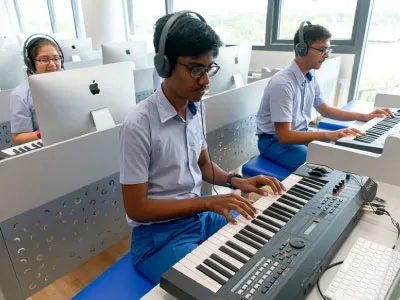
Technology plays a crucial role in education. Technology integration involves using various digital tools and platforms to support and enhance traditional teaching methods. These can include interactive whiteboards, tablets, online learning platforms, and educational software. These tools provide students access to many resources, allowing for more interactive and personalised learning experiences.

One of the significant benefits of technology integration is that it makes learning more engaging and accessible. Students can access learning materials anytime and anywhere, which supports different learning styles and paces.

Technology also enables teachers to use multimedia resources, such as videos, animations, and simulations, to explain complex concepts more understandably.

Personalised learning: Tailoring education to individual needs

Personalised Learning is an approach that tailors education to meet each student’s unique needs, strengths, and interests. Instead of a one-size-fits-all approach, Personalised Learning recognises that students learn differently and at their own pace. It aims to create a learning experience customised to the individual student, ensuring they receive the support and resources they need to succeed.

One key benefit of Personalised Learning is that it helps to keep students engaged and motivated. When students learn in a way that suits their needs, they are more likely to be interested in the material and invested in their learning outcomes. Personalised Learning also allows students to take ownership of their education, which fosters a sense of responsibility and independence.

Conclusion

GIIS’s commitment to innovative teaching methodologies results in a dynamic and inclusive learning environment. Adopting strategies such as Problem-Based Learning, Technology Integration, and Personalised Learning enhances student engagement, encourages critical thinking, and equips learners with essential skills for the future. 

At GIIS, technology is seamlessly integrated into the curriculum, ensuring students are well-versed in using digital tools for learning and research. This integration enhances the learning experience and prepares students for the future, where digital literacy is essential.

As one of the leading international schools in Singapore, GIIS continues to adapt these methodologies to meet the needs of its diverse student body. By focusing on student-centred approaches, the school prepares students for academic success and fosters lifelong learning and personal growth.

 If you are interested to know more about GIIS, please don’t hesitate to connect with the admissions counsellors.

GIIS Singapore Logo
Team GIIS

Team GIIS is a group of enthusiastic writers who bring the vibrant world of GIIS Singapore to life through engaging blog posts. Dedicated to highlighting the school’s teaching methodology, innovative learning environment, and diverse curriculum options like IB, Cambridge and CBSE, they aim to connect with parents, educators and students, sharing insights and stories that inspire and inform the school community.
Featured Blogs

GIIS

Your Child’s Journey to IBDP Success Starts Before Grade 11: A Parent’s Guide

While evaluating the IB Diploma programme in Singapore for their children, parents center the conversation around Grade 11 and 12. It is during these final two high school years that students write their Extended Essays, dive deep into Theory of Knowledge (TOK) and prepare for final examinations.

CBSE Results

IBDP Results 2026: What Parents Should Consider Before Choosing an IB School in Singapore

Choosing the right international school for your child is one of the most critical academic decisions a parent can make. With the release of the May 2026 International Baccalaureate Diploma Programme (IBDP) results, parents across Singapore are evaluating school performance metrics to determine where their child will thrive best.

GIIS

How GIIS Students Achieved Outstanding IBDP Results in 2026: A Look at the Learning Approach

Choosing the right senior secondary curriculum requires more than academic rigour. Students also need an environment that nurtures critical thinking, global perspectives, personal growth, and university readiness. For families evaluating the IB diploma programme in Singapore, the May 2026 International Baccalaureate Diploma Programme (IBDP) examination results offer clear evidence of how structured academic mentoring and personalised pedagogy lead to top-tier university readiness.

GIIS

Moving to Singapore with Children: A Complete School Guide for Expat Families (2026)

Relocating to Singapore is an exciting milestone for any family. Alongside finding a new home, settling into a different culture, and adapting to a new lifestyle, one of the biggest decisions parents face is choosing the right school for their children.

Top Scholarships

Dr APJ Abdul Kalam Global Skills Scholarship

Eligibility:

Talent Based - Technology

More from same author
Trending Blogs

GIIS

Your Child’s Journey to IBDP Success Starts Before Grade 11: A Parent’s Guide

While evaluating the IB Diploma programme in Singapore for their children, parents center the conversation around Grade 11 and 12. It is during these final two high school years that students write their Extended Essays, dive deep into Theory of Knowledge (TOK) and prepare for final examinations.

CBSE Results

IBDP Results 2026: What Parents Should Consider Before Choosing an IB School in Singapore

Choosing the right international school for your child is one of the most critical academic decisions a parent can make. With the release of the May 2026 International Baccalaureate Diploma Programme (IBDP) results, parents across Singapore are evaluating school performance metrics to determine where their child will thrive best.

GIIS

How GIIS Students Achieved Outstanding IBDP Results in 2026: A Look at the Learning Approach

Choosing the right senior secondary curriculum requires more than academic rigour. Students also need an environment that nurtures critical thinking, global perspectives, personal growth, and university readiness. For families evaluating the IB diploma programme in Singapore, the May 2026 International Baccalaureate Diploma Programme (IBDP) examination results offer clear evidence of how structured academic mentoring and personalised pedagogy lead to top-tier university readiness.

GIIS

Moving to Singapore with Children: A Complete School Guide for Expat Families (2026)

Relocating to Singapore is an exciting milestone for any family. Alongside finding a new home, settling into a different culture, and adapting to a new lifestyle, one of the biggest decisions parents face is choosing the right school for their children.

GIIS

Why GIIS SMART Campus Singapore Stands Out as a Future-Ready School

As technology and global careers continue to evolve, parents are looking for future-ready schools that offer more than academics. GIIS SMART Campus Singapore combines academic excellence, global curricula, innovative learning, and holistic development to prepare students for lifelong success.

GIIS

GIIS SMART Campus Singapore: Programmes & Admissions Guide for Punggol Families (2026)

As more families move into Punggol, Sengkang, and the North-East region of Singapore, the demand for high-quality international education continues to grow. Parents today are looking for schools that combine academic excellence, future-ready learning, global curricula, and holistic development.

GIIS

How to Choose the Best Primary School in Singapore: A Parent’s Complete Guide (2026)

The primary school years lay the foundation for a child's future success, shaping not only academic achievement but also confidence, character, curiosity, and a lifelong love of learning. Choosing a school that combines strong academics with holistic development helps children build the knowledge, skills, and values they need to thrive in an ever-changing world.

Search
History Menu Icon

Our vision is to become a global role model for teaching and learning.

History Menu Icon Secondary

Since its inception in 2002, GIIS has spread quality education through 17 campuses across the globe.

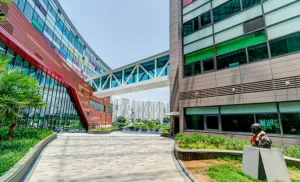
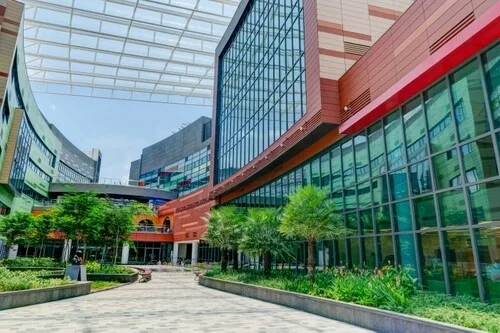
Global Indian International School Singapore smart campus learning environment

SMART Campus

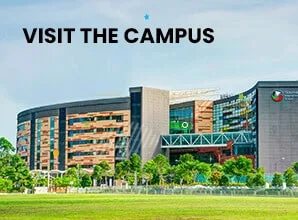
A green, tech-enabled campus with extensive sports facilities that enables a holistic education

  • Kindergarten program at GIIS Singapore smart campus

    Montessori education with a modern touch.

  • Primary school curriculum at GIIS Singapore

    International primary programmes with best holistic learning.

  • Secondary school students learning at GIIS Singapore

    International middle school programmes with best foundation for high school.

  • High school education and curriculum at GIIS Singapore

    International high school programmes with beat launchpads for university.

21st century learning campus at GIIS Singapore

Facilities which are collaborative, creative and adaptable to individual needs.

Holistic education approach with 9 Gems at GIIS Singapore

Award-winning framework for all-round student development

Co-curricular activities at GIIS Singapore

Extra-curricular activities are those activities, often sports-based, that take place outside of the GIIS classroom

Extra curricular activities at GIIS Singapore

Talent shows, performances, competitions, clubs and additional classroom work.

Admission Process Icon

Get an overview of the admissions process

Campus Tour Icon

Register for a tour of the campus to learn more about the school first hand

Book Meeting Icon

You can talk to our Admissions Counsellor online or in-person, as per your convenience.

Admissions Form Icon

Find all forms related to admissions procedure here

Fees Icon

Get information on our fee structure for different grades

Scholarship Icon

Thank you for considering GIIS as a prospective school for your child. Our goal is to make the admissions.