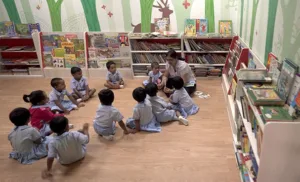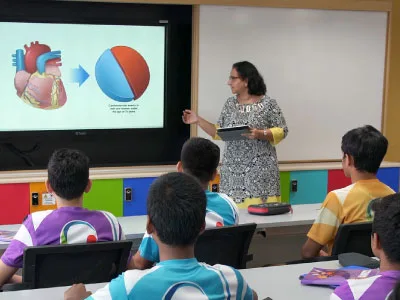
Classrooms where students actively engage with their curriculum, study materials, teachers and peers produce effective learners, fostering motivation and lifelong love for learning.
This blog delves into strategies that educators in private schools in Singapore can use for classroom management. Here we will know why a well-managed classroom is beneficial for students and discuss 11 practical approaches to cultivate a vibrant learning environment.
What is classroom management?
Classroom management goes beyond behaviour control, and involves establishing a positive ambience where students feel secure, valued and empowered to learn.
The significance of managing a classroom effectively lies in the skills teachers use to:
- Set expectations and routines
- Encourage student involvement and engagement
- Minimise disruptions to maximise learning time
- Develop relationships with students
- Cultivate a sense of community and belonging
When teachers master these elements, they can establish a classroom environment where students thrive academically, socially and emotionally.
Importance of classroom management
Effective classroom management is essential for several reasons:
- Enhanced learning: It reduces distractions, enabling students to better focus on the learning material.
- Improved behaviour: Defined expectations and consistent enforcement contribute to positive behaviour in the classroom.
- Increased student engagement: A well-managed class creates a learning atmosphere that encourages active student participation.
- Reduced stress: A well managed class setting decreases stress levels for both teachers and students.
Why do students need effective classroom management?
Picture a classroom full of activity but devoid of chaos. Students are energetically engaged, collaborating on projects and eagerly taking part in discussions. This scenario isn’t magical; it’s the outcome of good classroom management. But why do students require a regulated class environment? The explanation extends beyond maintenance of order.
An organised classroom plays a vital role in helping students succeed by supporting growth in various important aspects:
1. Sense of security
A well-managed classroom establishes procedures giving students a sense of what to expect each day to the use of classroom materials. This creates feelings of security and reduces anxiety. When students feel secure and informed, they can focus on learning without worrying about uncertainties.
2. Social and emotional development
Effective classroom management extends beyond academics to help students develop emotional skills. Clear expectations and consistent consequences encourage accountability and self control. On the other hand, collaborative learning activities promote teamwork and communication abilities. By observing interactions between teachers and students well as among peers students learn important lessons in respect, empathy and conflict resolution.
3. Improved focus and concentration
Efficient classroom management minimises distractions, enabling students to concentrate on the lesson content. Improved focus allows for information absorption, active participation in class discussions and accurate completion of assignments.
4. Enhanced motivation and engagement
A well-managed classroom is one that captivates students’ interest. Teachers who implement strategies to manage their classrooms are better prepared to establish a learning atmosphere that values and motivates students. Using different teaching approaches, offering choices, promoting student ownership and providing reinforcement, all play key roles in boosting student engagement. Engaged students tend to be more inquisitive, ask questions and take charge of their learning.
5. Maximise learning potential
Ultimately, effective classroom management sets the stage for maximising learning outcomes. By focusing on elements such as social and emotional growth, concentration and engagement, students are empowered to achieve their potential. An organised classroom equips students with tools and surroundings to excel academically, leading to success in studies and fostering a lifelong passion for learning.
In essence, effective classroom management is a recipe for student success. It provides the necessary support and positive environment needed for students to flourish academically, socially, and emotionally.
Also read: How does GIIS foster a positive teacher-student relationship?
Top classroom management strategies for teachers
1. Foster positive relationships
Take time to understand your students personally, show interest in their passions, establish a classroom environment founded on trust and mutual respect.
2. Set clear expectations and procedures
Lay out rules at the start of the year; ensure that students comprehend expectations regarding behaviour, participation requirements and task completion.
3. Encourage student engagement
Use teaching approaches that cater to learning styles. Include activities, discussions and projects to actively involve students.
4. Effectively manage classroom time
Plan lessons efficiently and employ techniques to keep students focused.
5. Implement positive reinforcement
Commend students for desired behaviours and accomplishments. Positive reinforcement motivates students to continue displaying such behaviours.
6. Provide choices and ownership
Grant students some autonomy in their learning to enhance engagement and motivation. Allow choices for assignments, projects or learning tasks when required.
7. Establish a behaviour management system
Set consequences for violating classroom rules. Address any behavioural concerns promptly, in a respectful manner.
8. Cultivate a cohesive classroom community
Foster a sense of community by promoting collaboration and teamwork among students. Celebrate achievements as a group and nurture a learning atmosphere.
9. Remain flexible and adaptable
Be ready to adapt your methods based on student needs and unforeseen circumstances. The ability to adjust to challenges is crucial for classroom management.
10. Exemplify respectful conduct
Treat students with respect. Demonstrate the behaviours you expect from them. Teachers establish the classroom atmosphere with conduct starting from the teacher.
11. Strive for progress
Take time to review your methods for managing the classroom and always look for ways to enhance your techniques. Make use of tools, work together with fellow teachers and be willing to accept input.
Benefitting the school community
In conclusion, effective classroom management is a journey, not a destination. By cultivating these skills and implementing these strategies, teachers can create a classroom environment where students can learn, grow, and reach their full potential. Remember, a well-managed classroom benefits everyone – teachers, students, and the entire school community GIIS Singapore, prioritises effective classroom management to foster a positive learning environment. This involves setting expectations, promoting student engagement, and building strong relationships.
If you are keen to know more about GIIS, please feel free to visit our campus

Team GIIS
Team GIIS is a group of enthusiastic writers who bring the vibrant world of GIIS in Singapore to life through engaging blog posts. Dedicated to highlighting the school’s teaching methodology, innovative learning environment, and diverse curriculum options like IB, Cambridge and CBSE, they aim to connect with parents, educators and students, sharing insights and stories that inspire and inform the school community.