Global
All Cities
Where would you like to study? Select cities to refine your search.
Any Curriculum
Find a campus based on the curriculum offered.
Global
Global
All Cities
Where would you like to study? Select cities to refine your search.
Any Curriculum
Find a campus based on the curriculum offered.
Search

Importance of Multicultural Education in the Classroom

Learning

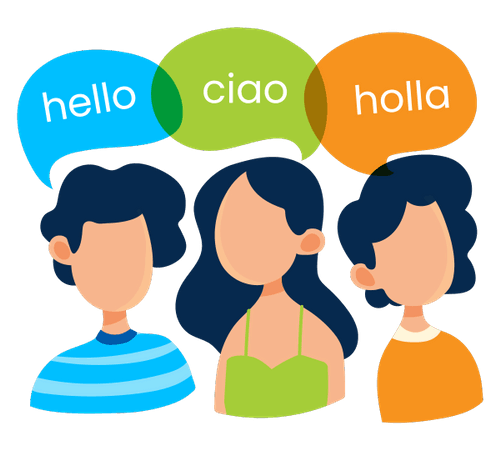
Multicultural education embraces diversity by incorporating ideas, beliefs, and people from various cultural backgrounds into the classroom. It aims to create an inclusive learning environment where students are exposed to a rich tapestry of cultural perspectives.

By fostering cultural diversity in the classroom, students develop empathy, and cultivate a broader understanding of the world around them, preparing them to thrive in an increasingly interconnected and diverse society.

The importance of multicultural education

Multicultural education plays a pivotal role in shaping students’ perspectives. By embracing cultural diversity in the classroom, international school students are exposed to various experiences, and traditions, enriching their learning journey and fostering a deeper understanding of global issues. Read on to know why multicultural education  is important for students.

1. Fosters inclusivity

It fosters inclusivity by creating an environment where every student feels valued, respected, and represented. By acknowledging and embracing the unique backgrounds and identities of students, educators cultivate a sense of belonging within the classroom.

This sense of inclusivity encourages students to actively engage in learning, collaborate with their peers, and contribute to discussions. Inclusive classrooms promote student participation, which lead to increased motivation and academic success.

2. Promotes cultural awareness

By celebrating diversity and encouraging exploration of different cultural traditions, practices, and viewpoints, students develop a deeper appreciation for the richness of human cultures. Exposure to diverse cultures helps students cultivate empathy, respect, and tolerance for others.

Through interactive learning experiences, such as cultural festivals, guest speakers, and other such activities, students gain insights into the complexities of global societies. This heightened cultural awareness not only enriches their personal growth but also contributes to building a more inclusive school community.

3. Critical thinking

Multicultural education serves as a catalyst for the development of critical thinking skills by exposing students to a variety of perspectives and challenging them to critically examine complex issues. Through this exposure, students learn to approach problems from different angles, question assumptions, and evaluate evidence thoughtfully.

By engaging with diverse viewpoints, students cultivate  an ability to analyse information critically, identify biases, and draw well-informed conclusions. This process not only enhances their academic learning but also equips them with essential skills to handle the complexities of an interconnected and diverse world.

4. Supports emotional development

Multicultural education plays a crucial role in supporting emotional development by nurturing empathy, tolerance, and self-awareness among students. Exposure to diverse cultural perspectives encourages students to appreciate and respect differences, fostering a sense of empathy and compassion for others.

By learning about different cultures and experiences, students develop a greater understanding of themselves and their place in the world, which contributes to their emotional resilience and well-being. This emotional intelligence enables students to develop interpersonal relationships, manage conflicts, and adapt to diverse social and cultural contexts with confidence and empathy.

3 tips to promote multiculturalism in the classroom

Embracing multiculturalism in the classroom fosters an inclusive and enriching learning environment. Implementing strategies to promote multiculturalism not only enhances students’ cultural awareness but also cultivates empathy, understanding, and appreciation for diversity.

Here are some tips to promote multicultural learning in the classroom:

1. Encourage Cross-Cultural Dialogue

Facilitate open discussions and activities that encourage students to share their cultural backgrounds, traditions, and perspectives. Create a safe and supportive space where students feel comfortable expressing their identities and learning from one another’s experiences.

2. Celebrate Cultural Festivals and Events

Organise multicultural celebrations, festivals, and events that highlight the traditions, customs, and achievements of diverse cultural groups represented in the classroom. Encourage students to participate in planning and organising these events, promoting collaboration, teamwork, and cross-cultural exchange.

3. Promote Intercultural Collaboration

Encourage collaborative learning experiences and group projects that require students to work together across cultural boundaries. Assign group tasks that involve researching, problem-solving, and presenting solutions to real-world issues from diverse cultural perspectives, fostering cooperation, communication, and mutual understanding among students from different backgrounds.

Also Read: Life Skills to Teach Kids

Conclusion

Embracing multicultural education in the classroom is essential for promoting diversity, fostering inclusivity, and preparing students for success in a globalised world. By implementing strategies to promote multiculturalism, educators can create an inclusive learning environment where students feel valued, respected, and empowered to celebrate their cultural identities.

As we look to the future, we believe schools play a pivotal role in providing multicultural education with students of various nationalities studying together. Global Indian International School (GIIS) ensures students receive a well-rounded education that prepares them to thrive in diverse and multicultural settings. GIIS nurtures students to become global citizens, well equipped with knowledge, skills, and cultural awareness to succeed in an increasingly interconnected world, standing among the best IGCSE schools in Singapore.

If you are keen to know more, please feel free to connect with our admissions team.

GIIS Singapore Logo
Team GIIS

Team GIIS is a group of enthusiastic writers who bring the vibrant world of GIIS Singapore to life through engaging blog posts. Dedicated to highlighting the school’s teaching methodology, innovative learning environment, and diverse curriculum options like IB, Cambridge and CBSE, they aim to connect with parents, educators and students, sharing insights and stories that inspire and inform the school community.
Featured Blogs

GIIS Scholarships

School Scholarship Guide Singapore: How to Get a Merit Scholarship at GIIS (2026)

For many families in Singapore, finding a school that offers both academic excellence and financial support is an important part of planning a child’s educational journey. Scholarships not only reduce financial burden but also recognise talent, hard work, leadership, and all-round achievements in students.

GIIS

GIIS SMART Campus Punggol: Programmes, Fees & Admissions Guide for Families in 2026

Choosing the right school is one of the most important decisions parents make for their child's future. Beyond academics, today's families seek schools that provide innovation, global exposure, holistic development, and learning environments that prepare students for an increasingly dynamic world.

GIIS

GIIS SMART Campus Punggol: Programmes, Fees & Admissions Guide 2026

Finding the right school in Punggol is one of the most important decisions for parents planning their child’s future. With the growing demand for international education in Singapore, families today are looking beyond academics for schools that also provide innovation, global exposure, holistic development, and future-ready learning environments.

GIIS

What is the Global Montessori Plus (GMP) Programme? GIIS Singapore’s Unique Early Childhood Approach

The early years of a child's life are among the most important for cognitive, social, emotional, and physical development. As parents explore preschool options, many are looking for programmes that go beyond traditional learning models and prepare children for the rapidly evolving world of tomorrow.

Top Scholarships

Dr APJ Abdul Kalam Global Skills Scholarship

Eligibility:

Talent Based - Technology

More from same author
Trending Blogs

GIIS Scholarships

School Scholarship Guide Singapore: How to Get a Merit Scholarship at GIIS (2026)

For many families in Singapore, finding a school that offers both academic excellence and financial support is an important part of planning a child’s educational journey. Scholarships not only reduce financial burden but also recognise talent, hard work, leadership, and all-round achievements in students.

GIIS

GIIS SMART Campus Punggol: Programmes, Fees & Admissions Guide for Families in 2026

Choosing the right school is one of the most important decisions parents make for their child's future. Beyond academics, today's families seek schools that provide innovation, global exposure, holistic development, and learning environments that prepare students for an increasingly dynamic world.

GIIS

GIIS SMART Campus Punggol: Programmes, Fees & Admissions Guide 2026

Finding the right school in Punggol is one of the most important decisions for parents planning their child’s future. With the growing demand for international education in Singapore, families today are looking beyond academics for schools that also provide innovation, global exposure, holistic development, and future-ready learning environments.

GIIS

What is the Global Montessori Plus (GMP) Programme? GIIS Singapore’s Unique Early Childhood Approach

The early years of a child's life are among the most important for cognitive, social, emotional, and physical development. As parents explore preschool options, many are looking for programmes that go beyond traditional learning models and prepare children for the rapidly evolving world of tomorrow.

Secondary School

Secondary Schools in Singapore: CBSE, IGCSE & IB – A Parent’s Complete Guide (2026)

Selecting the right secondary school is one of the most important decisions parents make for their child's future. Secondary education plays a crucial role in shaping academic foundations, critical thinking abilities, personal development, and readiness for university and beyond.

GIIS

International Schools in Singapore for Indian Families: A Complete 2026 Guide

Relocating to Singapore is an exciting journey, and choosing the right school is one of the most important decisions for Indian families. Parents often look for a balance of academic excellence, cultural familiarity, global exposure, and strong university pathways. With a wide range of international schools offering CBSE, Cambridge, IB, and British curricula, finding the best fit can be challenging.

GIIS

GIIS Punggol SMART Campus Guide (2026): Facilities, Curriculum, Student Life & 9GEMS Framework

Choosing an international school in Singapore is a significant decision for families, especially when evaluating a modern, technology-enhanced learning environment. The Global Indian International School (GIIS) Punggol SMART Campus is one of the institution’s flagship campuses designed to support digital learning, holistic development, and multiple curriculum pathways.

Cambridge IGCSE

Cambridge IGCSE Grading System Explained: What the Grades Mean for University Admission

Navigating international secondary qualifications requires a clear understanding of how academic performance translates into future opportunities. The Cambridge International General Certificate of Secondary Education (Cambridge IGCSE) is one of the world's most widely recognised qualifications, providing students with a strong foundation for further study and higher education.

Search
History Menu Icon

Our vision is to become a global role model for teaching and learning.

History Menu Icon Secondary

Since its inception in 2002, GIIS has spread quality education through 17 campuses across the globe.

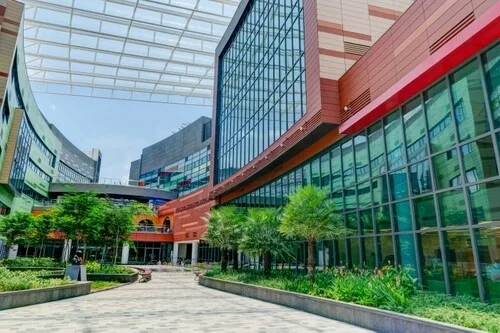
Global Indian International School Singapore smart campus learning environment

SMART Campus

A green, tech-enabled campus with extensive sports facilities that enables a holistic education

  • Kindergarten program at GIIS Singapore smart campus

    Montessori education with a modern touch.

  • Primary school curriculum at GIIS Singapore

    International primary programmes with best holistic learning.

  • Secondary school students learning at GIIS Singapore

    International middle school programmes with best foundation for high school.

  • High school education and curriculum at GIIS Singapore

    International high school programmes with beat launchpads for university.

21st century learning campus at GIIS Singapore

Facilities which are collaborative, creative and adaptable to individual needs.

Holistic education approach with 9 Gems at GIIS Singapore

Award-winning framework for all-round student development

Co-curricular activities at GIIS Singapore

Extra-curricular activities are those activities, often sports-based, that take place outside of the GIIS classroom

Extra curricular activities at GIIS Singapore

Talent shows, performances, competitions, clubs and additional classroom work.

Admission Process Icon

Get an overview of the admissions process

Campus Tour Icon

Register for a tour of the campus to learn more about the school first hand

Book Meeting Icon

You can talk to our Admissions Counsellor online or in-person, as per your convenience.

Admissions Form Icon

Find all forms related to admissions procedure here

Fees Icon

Get information on our fee structure for different grades

Scholarship Icon

Thank you for considering GIIS as a prospective school for your child. Our goal is to make the admissions.