While evaluating the IB Diploma programme in Singapore for their children, parents center the conversation around Grade 11 and 12. It is during these final two high school years that students write their Extended Essays, dive deep into Theory of Knowledge (TOK) and prepare for final examinations.
Although, the success at IDBP is rarely built in Grade 11 alone. Any educator from a reputed and trusted IB school would share insights into the habits of top performing graduates and none of them are only built in Grade 11 solely.
The critical habits, critical thinking frameworks and academic stamina required to thrive in the IB framework are cultivated years prior. Starting the prep early is what leads to a successful two year IBDP journey that is structured, manageable and a rewarding experience.
Why is IB Pre-Diploma Important for Student Success?
The International Baccalaureate Diploma Programme is renowned for its academic rigour and holistic structure. Unlike traditional curricula that rely heavily on rote memorisation, the IB demands that students analyse, evaluate, synthesise and manage time independently across six subject groups alongside three mandatory core components:
- Theory of Knowledge (TOK): Critical reflection on the nature of knowledge.
- Extended Essay (EE): An independent 4,000-word research paper.
- Creativity, Activity, Service (CAS): Experiential learning through real-world projects.
To help in bridge the gap for students who enter in IBDP Grade 11, they need to pay attention to these three primary focus areas in their pre-diploma years.
- Building Research Literacy Early: Learning how to cite sources, construct hypothesis-driven questions and structure academic essays before Grade 11 removes the fear factor from the Extended Essay.
- Developing Inquiry-Based Habits: Transitioning from just stating the answer to finding factual evidence aligns early learners with the mindset required for Theory of Knowledge.
- Mastering Executive Function & Time Management: Managing internal assessments (IAs), lab reports and co-curricular projects alongside academics requires structured planning habits formed in middle school and lower high school.
What Does Early Preparation Help You Achieve?
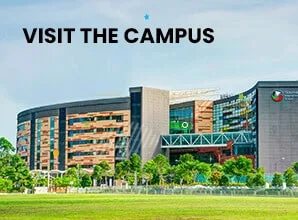
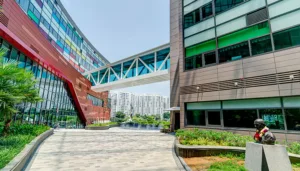
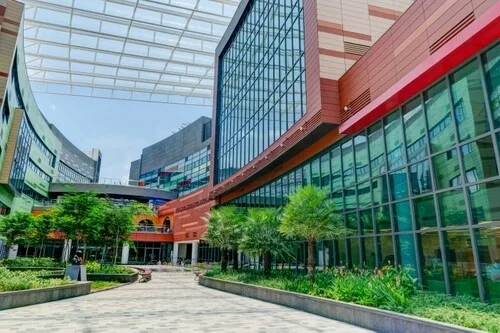
To measure positive outcomes of IBDP students, the foundational academic framework needs to be strong and create an impact. At Global Indian International School (GIIS) SMART Campus in Punggol, a consistent focus on early skill development and personalised guidance yields extraordinary results year after year.
With the May 2026 IBDP results, GIIS Singapore cohort demonstrated the power of a well-supported educational pathway:
| Benchmark Metric | GIIS SMART Campus (May 2026 IBDP) |
| School Average Score | 38 points (outperforming global averages) |
| World Toppers (Perfect 45/45) | 5 Students |
| Near-Perfect Scorers (44/45) | 9 Students |
| Students Scoring 40+ Points | 61 Students |
| Grades at Level 6 or 7 | 67.2% of all grades |
| Grade A in Extended Essay (EE) | 46.2% of students |
| Grade A in Theory of Knowledge (TOK) | 16.1% of students |
“Their remarkable outcomes reflect the commitment our students have shown in embracing every challenge with determination and resilience and the persistent guidance of our experienced educators. We have built a culture of excellence where curiosity is nurtured and students are empowered to reach their fullest potential.”
- Ms. Deepika Sodhi, Principal, GIIS SMART Campus
Achieving a 46.2% ‘A’ grade rate in the Extended Essay, a component often cited by university admissions officers as the best preparation for undergraduate research, is a direct result of introducing academic research methodologies well before students step into Grade 11.
How Can Parents Support Students in Grades 8 – 10 at Home?
As a parent, remember you don’t have to tutor your child for any complicated chemistry or calculus lessons. Instead you need to help them to nurture habits that would make their IB Diploma coursework manageable.
1. Shift from Rote Learning to Conceptual Inquiry
Encourage your child to ask “why” and “how” when discussing current events, science topics, or literature. Ask open-ended questions at home:
- What evidence supports that point of view?
- How might someone from a different culture view this issue?
These are important skills needed to build global perspective and important evaluation skills central to the IB Curriculum Singapore landscape.
2. Introduce Structured Reflection
In IBDP, reflection is an active learning tool, not an afterthought. Encourage your child to reflect on their academic and personal projects by asking three simple questions after major tasks:
- What worked well?
- What was challenging?
- What will I do differently next time?
3. Build Long-Term Project Stamina
Help your child break down multi-week assignments into micro-deadlines. The ability to chunk large projects into manageable steps directly translates to success in the IBDP’s Internal Assessments (IAs) and Extended Essay.
How Do You Choose The Right IB School in Singapore?
Choosing the right school for the IB Diploma programme in Singapore requires looking beyond just the final average scores. Parents need to evaluate how a school engages with their child before and during the IBDP years.
When researching options, consider these essential criteria:
- A Continuous Pathway: Does the school offer strong pre-IB or lower high school curricula (such as Cambridge IGCSE or CBSE) that explicitly build inquiry, research and analytical skills?
- Experienced Faculty & Mentorship: Are teachers trained IB examiners and subject specialists who provide personalised academic support?
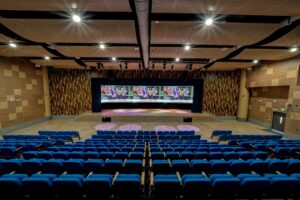
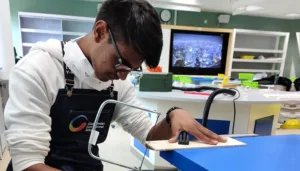
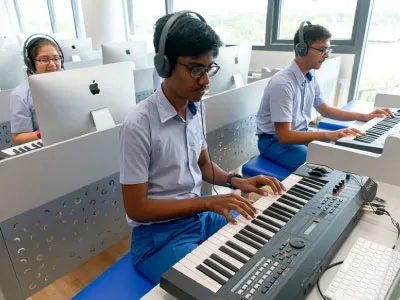
- State-of-the-Art Infrastructure: Facilities like digital analytics labs, modern skill studios and dedicated research spaces directly support hands-on learning and Extended Essay research.
- University Pathways Guidance: A strong counseling team ensures students align their Standard Level (SL) and Higher Level (HL) subject choices in Grade 11 with their future university degree ambitions.
Final Thoughts: The Road Ahead
An exemplary IBDP outcome is not an accident of luck or a last-minute cramming session, it is the natural outcome of a well-prepared student supported by dedicated educators and an encouraging home environment. By prioritising foundational skills, critical thinking and time management in Grades 8 through 10, you give your child the ultimate advantage: the freedom to enjoy their IB journey and excel on the global stage.
About GIIS
Global Indian International School (GIIS), part of the Global Schools Group, is an award winning school with a footprint in Singapore, Malaysia, Japan, Thailand, UAE and India. It offers a comprehensive range of international and Indian curricula for Kindergarten to Year 12 students. These include the International Baccalaureate Diploma Programme (IBDP), Cambridge IGCSE, the Central Board of Secondary Education (CBSE) and the Global Montessori Plus programme.
Discover how GIIS SMART Campus combines academic excellence, personalised mentoring and holistic development to prepare students for success at leading universities worldwide.
Book a campus tour today or speak with our admissions team to learn more about the IB Diploma Programme at GIIS Singapore.
FAQs
How early should a child prepare for the IB Diploma Programme in Singapore?
Preparation should ideally begin in middle school (Grades 6–8). Developing inquiry-based learning, research skills, and time management prior to Grade 11 ensures a smooth transition into the rigorous IBDP curriculum.
Is IGCSE a good foundation for the IBDP curriculum in Singapore?
Yes. The Cambridge IGCSE framework builds strong subject-matter depth, disciplined exam techniques, and analytical skills, making it an ideal stepping stone for the IBDP at schools like GIIS Singapore.
What is the main difference between IB PYP and IBDP at GIIS Singapore Punggol?
The IB Primary Years Programme (PYP) focuses on transdisciplinary, inquiry-based foundational learning for ages 3–11, whereas the IB Diploma Programme (IBDP) is a rigorous, pre-university academic curriculum for Grades 11–12.
How does GIIS Punggol support students transitioning into IBDP?
GIIS SMART Campus in Punggol provides structured academic pathways (such as IGCSE and CBSE), tech-enabled skills labs, 9GEMS™ holistic development and dedicated career counseling to prepare students for IBDP demands.
What subjects are required in the IB Diploma Programme?
Students choose six subjects across different discipline groups (typically three at Higher Level and three at Standard Level) along with the IB core components: Extended Essay (EE), Theory of Knowledge (TOK) and Creativity, Activity, Service (CAS).

Team GIIS
Team GIIS is a group of enthusiastic writers who bring the vibrant world of GIIS in Singapore to life through engaging blog posts. Dedicated to highlighting the school’s teaching methodology, innovative learning environment, and diverse curriculum options like IB, Cambridge and CBSE, they aim to connect with parents, educators and students, sharing insights and stories that inspire and inform the school community.