Article Summary
- Conversational English helps students communicate socially, but academic English enables them to understand lessons, write effectively and succeed across subjects.
- In international education, students need subject-specific vocabulary, critical thinking language and structured writing skills to perform well.
- GIIS Tokyo’s ELPP and AEPP provide an additional English support programme that helps non-native English speakers build academic confidence and integrate smoothly into mainstream classrooms.
In an international classroom, speaking English confidently with friends is important. However, conversational fluency alone does not guarantee academic success. A child may be able to hold daily conversations yet still struggle to understand science instructions, write essays, explain mathematical reasoning or analyse literature.
This is why academic English matters so much in international education. For families exploring a Tokyo international school, it is important to understand the difference between everyday English and the English required for learning, assessment and future university pathways.
What Is Conversational English?
Conversational English is the language used in everyday situations. It helps students greet classmates, ask simple questions, share opinions and participate socially.
Examples include:
- Talking to friends during break time
- Asking for help in class
- Describing personal experiences
- Taking part in simple discussions
These skills are valuable because they help children feel included and confident. However, they are only the first step in language development.
What Is Academic English?
Academic English is more complex. It is the language students need to understand lessons, complete assignments and demonstrate knowledge across subjects.
It includes:
- Subject-specific vocabulary
- Formal writing skills
- Reading comprehension
- Note-taking
- Explanation and reasoning
- Presentation skills
- Comparing, analysing and evaluating ideas
For example, a student may know how to say, “The plant is growing,” but academic English requires them to explain photosynthesis, describe observations and write conclusions using scientific vocabulary.
Why Academic English Takes Longer to Develop
One of the key challenges in international education is that academic English often takes much longer to master than conversational English. Students may sound fluent in daily interactions but still require structured support to access grade-level content.
This gap can affect performance in English-medium classrooms. Learners may struggle with:
- Understanding complex instructions
- Reading long passages
- Writing structured answers
- Explaining opinions with evidence
- Keeping up with subject lessons
- Participating in group projects
This is where a well-designed additional English support programme becomes essential.
The Role of Academic English in International Schools
At an international school Tokyo, English is often the medium through which students learn multiple subjects. This means English is not just a language lesson; it is the tool for accessing the whole curriculum.
Strong academic English helps students:
- Understand classroom teaching
- Complete assessments confidently
- Take part in enquiry-based learning
- Build independent study habits
- Prepare for international curricula
- Develop readiness for higher education
For parents comparing Tokyo international school fees, it is worth looking beyond facilities and curriculum names. The quality of academic language support can significantly influence a child’s ability to succeed.
GIIS Tokyo’s ELPP: Supporting Academic English Growth
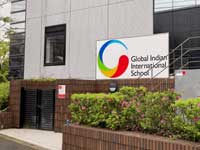
GIIS Tokyo’s English Language Proficiency Programme (ELPP) is designed to support non-native English speakers in building fluency, confidence and academic competence. The programme is internationally aligned and structured to support students from speaking and listening through to reading and writing.
The ELPP uses frameworks such as CEFR and incorporates Cambridge Global English resources. This helps students develop measurable language skills while improving their ability to participate in academic learning.
For families seeking a top international school in Tokyo, this structured support is especially important because it helps students transition from basic communication to confident academic performance.
AEPP: A Focused Pathway for Academic Success
Within the ELPP framework, GIIS Tokyo also offers the Academic English Preparatory Programme or AEPP. This is designed for students who need stronger academic English before fully integrating into mainstream English-medium classrooms.
The AEPP focuses on:
- Reading comprehension
- Academic writing
- Listening and speaking
- Grammar and vocabulary
- Weekly subject-linked topics
- Cambridge-based learning materials
- Regular assessment and feedback
The programme also supports students through structured routines, interactive activities, pair work, group tasks and differentiated instruction. This helps learners practise English in meaningful academic contexts, not just isolated language exercises.
Why Academic English Builds Confidence
When children understand what is being taught, they feel more confident. Academic English allows students to ask better questions, explain ideas clearly and complete tasks with independence.
This confidence affects more than grades. It improves classroom participation, peer collaboration and overall wellbeing. A student who can explain a science concept, present a project or write a structured paragraph begins to see themselves as a capable learner.
That confidence is vital in any Tokyo international school environment.
Academic English from Early Years to Secondary
Academic English development should begin early. Parents searching for Montessori Tokyo options often focus on social development and early communication, but the foundations of academic language also begin in the early years through storytelling, vocabulary-building, songs, play and guided expression.
As children move into primary and secondary school, language expectations increase. They must read longer texts, write more formally and use English to solve problems. This is why continuous support across age groups matters.
GIIS Tokyo’s ELPP recognises this progression by offering support across different stages, including after-school English support, English Language Support, ESL and AEPP.
Choosing the Right School for Language Development
Parents looking for the best private school in Tokyo should ask how the school supports students who are still developing academic English.
Important questions include:
- Does the school assess English proficiency during admission?
- Is language support available during the school year?
- Are students supported across reading, writing, speaking and listening?
- Is academic English linked to classroom subjects?
- Are teachers trained to support multilingual learners?
A strong academic English pathway can make the difference between a child simply attending an international school and truly thriving in one.
Final Words
Conversational English helps children connect socially, but academic English helps them succeed educationally. In international education, students need the language of explanation, analysis, research, writing and subject learning.
Our ELPP and AEPP show how a structured additional English support programme can help multilingual learners build the confidence and competence needed for academic success.
Give your child the advantage of strong academic English. Explore GIIS Tokyo’s ELPP and discover how its English support pathways can help your child succeed in a global learning environment. Contact us now to learn more.
FAQs
1. Why is academic English more important than conversational English in international schools?
Academic English helps students understand lessons, complete assignments, write structured responses and succeed across subjects. Conversational English supports social communication, but academic English is essential for classroom achievement.
2. How does GIIS Tokyo support students who need academic English help?
GIIS Tokyo supports students through its ELPP, AEPP, ESL, English Language Support and after-school English support. These programmes help learners improve reading, writing, speaking, listening, vocabulary and classroom confidence.
3. What should parents check when choosing an international school for English support?
Parents should check whether the school offers structured assessments, personalised support, academic English instruction, trained teachers and clear progression pathways for non-native English speakers.