3 Key Takeaways
- Multilingual learners thrive when language support is integrated into academics, helping them build confidence in speaking, reading, writing and comprehension while keeping pace with the curriculum.
- Structured English language programmes provide personalised pathways that enable students to transition successfully into mainstream English-medium classrooms.
- GIIS Tokyo’s additional English support programme, through its English Language Proficiency Programme (ELPP) and Academic English Preparatory Programme (AEPP), equips students with the language skills needed for long-term academic and global success.
Supporting Multilingual Children: The Role of English Language Programmes in Global Classrooms
In today’s interconnected world, classrooms are becoming increasingly multilingual. Students often arrive at school with diverse linguistic and cultural backgrounds, bringing unique perspectives that enrich the learning environment. However, while multilingualism offers significant advantages, it can also create challenges when students are expected to learn academic subjects through English.
This is where structured English language programmes play a vital role. By providing targeted language instruction alongside mainstream academics, schools can ensure that multilingual learners develop the confidence, communication skills and academic proficiency needed to succeed.
At GIIS Tokyo, recognised by many families as a leading Tokyo international school, dedicated English language support initiatives help students overcome language barriers and thrive in a global learning environment.
Why Multilingual Learners Need Additional Language Support
Learning conversational English is only one part of the journey. Research shows that developing academic language proficiency can take several years, particularly when students must simultaneously learn new concepts in subjects such as science, mathematics and humanities. Students may face challenges such as:
- Limited academic vocabulary
- Difficulty understanding complex instructions
- Hesitation in classroom participation
- Challenges transitioning from speaking and listening skills to reading and writing
- Reduced confidence in English-medium environments
Without appropriate support, these obstacles can impact both academic achievement and social integration. GIIS Tokyo recognises these challenges and has designed programmes that provide systematic language development for non-native English speakers. With more than half of its student population coming from non-native English-speaking backgrounds, the school has developed robust systems to support multilingual learners.
The Importance of English Language Programmes in Global Classrooms
Effective English language programmes do much more than teach grammar and vocabulary. They create pathways that help students access the entire curriculum while developing the communication skills needed for future success.
The most successful programmes typically focus on:
Building Confidence Through Communication
Students learn to express themselves clearly through structured speaking and listening activities. As confidence grows, participation in classroom discussions becomes more natural.
Supporting Academic Achievement
Language support is integrated with academic subjects, helping students understand content while simultaneously improving their English proficiency.
Creating Personalised Learning Pathways
Every learner progresses differently. Tailored instruction ensures that students receive support aligned with their current proficiency level and learning goals.
Encouraging Global Citizenship
Strong English communication skills allow students to collaborate effectively with peers from different cultures, preparing them for international education and future careers.
How GIIS Tokyo Supports Multilingual Learners
As a leading international school Tokyo families trust for globally focused education, GIIS Tokyo has developed the English Language Proficiency Programme (ELPP) to support students across multiple curricula and grade levels. The programme is aligned with the Common European Framework of Reference for Languages (CEFR) and incorporates Cambridge Global English resources to build communication, critical thinking and academic language skills.
One of the key strengths of the school’s additional English support programme is its structured, stage-based approach. Students receive targeted instruction based on their proficiency level, allowing them to progress steadily from foundational communication skills to academic fluency.
The Academic English Preparatory Programme (AEPP)
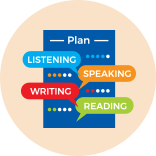
A standout initiative within GIIS Tokyo’s English support framework is the Academic English Preparatory Programme (AEPP). Designed for students who require intensive language development, the AEPP focuses on helping learners acquire the reading, writing, listening and speaking skills necessary for successful integration into English-first classrooms.
The programme incorporates:
- CEFR-aligned language benchmarks
- Cambridge English learning materials
- Structured reading and writing development
- Listening and speaking practice
- Regular assessments and feedback
- Weekly interdisciplinary learning topics
Students are continuously monitored through formal and informal assessments, enabling teachers to identify strengths and areas requiring additional intervention. This personalised approach ensures that learners receive the right level of support at the right time.
Beyond the Classroom: A Holistic Approach
What makes an effective additional English support programme truly impactful is its ability to extend learning beyond language lessons.
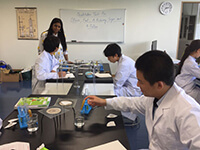
We, at GIIS Tokyo, integrate English development initiatives across classroom instruction, co-curricular activities and collaborative learning experiences. Students engage in science projects, sports events, inquiry-based learning and cultural programmes that provide authentic opportunities to practise English in meaningful contexts. Teachers also utilise multimodal learning strategies, including audio-visual resources, collaborative projects and differentiated instruction.
We further support learners through after-school English initiatives, English Language Support (ELS), and ESL programmes that reinforce classroom learning and accelerate language acquisition.
Why Parents Value Strong Language Support
When evaluating options such as a top international school in Tokyo, language support should be an important consideration. While factors such as curriculum, facilities and even Tokyo international school fees influence decision-making, a school’s ability to help multilingual learners succeed academically can significantly impact a child’s educational journey.
Parents seeking the best private school in Tokyo often look for institutions that provide comprehensive support systems rather than expecting students to adapt independently to English-medium instruction.
Similarly, families exploring early childhood pathways, including Montessori Tokyo programmes, increasingly recognise the importance of strong language foundations that support future academic success.
Preparing Students for a Global Future
As global mobility increases, multilingual learners will continue to form a significant part of international school communities. Schools that provide structured language support create inclusive environments where every student can succeed regardless of their linguistic background.
GIIS Tokyo’s ELPP and AEPP initiatives demonstrate how a well-designed additional English support programme can empower students to become confident communicators, successful learners and globally minded individuals. Through personalised instructions, continuous assessment and curriculum integration, multilingual children gain the skills they need to excel both inside and outside the classroom.
Final Words
Supporting multilingual children requires more than traditional language instruction. It demands a structured, personalised and holistic approach that develops both academic proficiency and confidence. Through initiatives such as the ELPP and AEPP, we at GIIS Tokyo, continue to help students navigate the challenges of learning in an English-medium environment while preparing them for future success in a globalised world.
Looking for a nurturing international learning environment with strong English language support? Explore GIIS Tokyo and discover how our comprehensive English language programmes can help your child thrive academically, socially and globally. Contact us to get more details.
FAQs
1. Why do multilingual children need English language support programmes?
Multilingual children often need targeted support to develop academic English skills required for success in English-medium classrooms. Structured English support programmes help improve reading, writing, listening, speaking and comprehension abilities.
2. What is an additional English support programme?
An additional English support programme provides specialised instruction for students who need extra help developing English proficiency. It typically includes personalised learning plans, assessments and language-focused activities.
3. How does GIIS Tokyo support non-native English speakers?
GIIS Tokyo offers the English Language Proficiency Programme (ELPP), Academic English Preparatory Programme (AEPP), English Language Support (ELS), ESL classes and after-school English support to help students achieve academic success.
4. Can students transition into mainstream English classrooms after receiving language support?
Yes. Programmes such as AEPP are specifically designed to help students develop sufficient language proficiency to participate confidently and successfully in mainstream English-medium classrooms.
5. What should parents look for when choosing an international school for multilingual learners?
Parents should evaluate the school’s language support systems, teacher expertise, assessment methods, curriculum integration, personalised learning opportunities and overall approach to multilingual education alongside factors such as curriculum offerings and fees.