Article Summary
- Montessori education nurtures independence, creativity and curiosity through hands-on, child-led learning experiences.
- Modern Montessori programmes such as GIIS Kuala Lumpur’s Global Montessori Plus (GMP) curriculum combine traditional Montessori principles with age-appropriate technology integration.
- In a rapidly changing digital world, Montessori learners develop critical thinking, adaptability and lifelong learning skills that prepare them for future success.
What Makes Montessori Education Different in a Technology-Driven World
As technology continues to reshape the way children learn, communicate and interact with the world, many parents are re-evaluating what they want from their child’s early education. In cities such as Tokyo, interest in Montessori education continues to grow amongst younger parents who seek a more balanced and holistic approach to learning. While searches for a Tokyo international school or information on Tokyo international school fees often focus on admissions and academic outcomes, there is increasing recognition of the importance of strong early-years pedagogy.
As awareness of child-centred learning grows, many families are also exploring Montessori education in Tokyo as an alternative to more traditional early-years programmes. Parents seeking the top international preschool in Tokyo are increasingly prioritising educational philosophies that foster independence, creativity and lifelong learning skills from an early age.
Montessori education stands apart because it focuses on developing the whole child. Rather than simply preparing children for examinations, it encourages independence, creativity, curiosity and confidence—qualities that are becoming increasingly valuable in a technology-driven world.
A Child-Centred Approach to Learning
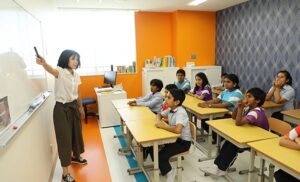
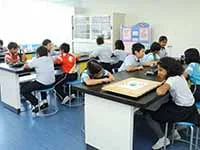
One of the defining characteristics of Montessori education is its child-centred philosophy. Children are encouraged to learn at their own pace and follow their natural interests within a carefully prepared environment.
Instead of traditional teacher-led instruction, Montessori educators act as guides who observe, support and facilitate learning. This approach helps children become active participants in their educational journey, fostering a genuine love of learning from an early age.
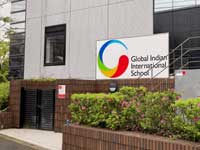
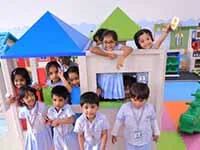
At GIIS Kuala Lumpur (GIIS KL), the Early Years programme is built around the internationally recognised Global Montessori Plus (GMP) curriculum. The programme combines Montessori principles with modern educational practices, enabling children to develop foundational academic, social and emotional skills in a nurturing environment.
Building Independence from the Start
In a world where digital tools increasingly automate tasks and provide instant answers, the ability to think independently has become more important than ever.
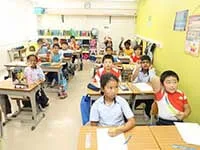
Montessori classrooms are specifically designed to encourage self-reliance. Children choose activities, manage their time and take responsibility for their learning. Everyday tasks such as organising materials, caring for the classroom environment and completing activities independently help develop confidence and decision-making skills.
This focus on independence is one of the reasons many parents exploring options such as a Tokyo international school Kindergarten, Kasai Preschool, or a Preschool in Edogawa ward are drawn to Montessori-inspired approaches. This focus on independence is one of the reasons many parents exploring options such as a Tokyo international school Kindergarten, Kasai Preschool, or a Preschool in Edogawa ward are drawn to Montessori-inspired approaches. Families searching for the top international preschool in Tokyo often value learning environments that nurture self-motivation, resilience and confidence alongside academic development.
Encouraging Creativity and Curiosity
Technology provides children with access to vast amounts of information, but information alone does not create understanding. Montessori education encourages children to ask questions, explore ideas and discover answers through hands-on experiences.
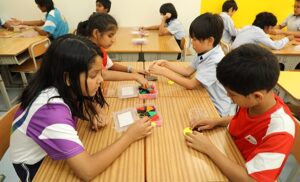
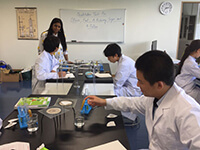
The Montessori classroom is filled with carefully designed learning materials that stimulate curiosity and encourage experimentation. Rather than memorising facts, children learn through exploration and discovery.
At GIIS KL, the GMP curriculum promotes enquiry-based learning that inspires children to think creatively and solve problems independently. Through meaningful activities, children develop critical thinking skills that help them navigate an increasingly complex world.
A Balanced Approach to Technology
A common misconception is that Montessori education rejects technology. In reality, modern Montessori programmes recognise the importance of digital literacy while maintaining a healthy balance.
The key difference lies in how technology is used. Instead of relying on screens as the primary learning tool, Montessori education prioritises real-world experiences, hands-on exploration and meaningful human interaction during the critical early years.
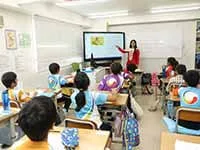
GIIS KL embraces a balanced approach to technology within its Early Years programme. Children engage with age-appropriate digital tools when they enhance learning, while continuing to benefit from sensory experiences, collaborative activities and physical exploration. This thoughtful integration helps children develop both digital competence and essential life skills.
Developing Future-Ready Skills
The jobs today’s children will pursue may not even exist yet. As a result, educators increasingly focus on transferable skills rather than simply delivering content knowledge.
Montessori education naturally cultivates many of the competencies identified as essential for the future, including:
- Critical thinking
- Problem-solving
- Collaboration
- Adaptability
- Communication
- Creativity
- Emotional intelligence
These skills are developed daily through collaborative projects, independent work and practical learning experiences.
The GMP curriculum at GIIS KL further strengthens these capabilities by integrating elements of modern education with proven Montessori methodologies. Children learn not only what to think but how to think—an invaluable advantage in a rapidly evolving technological landscape.
Fostering Social and Emotional Growth
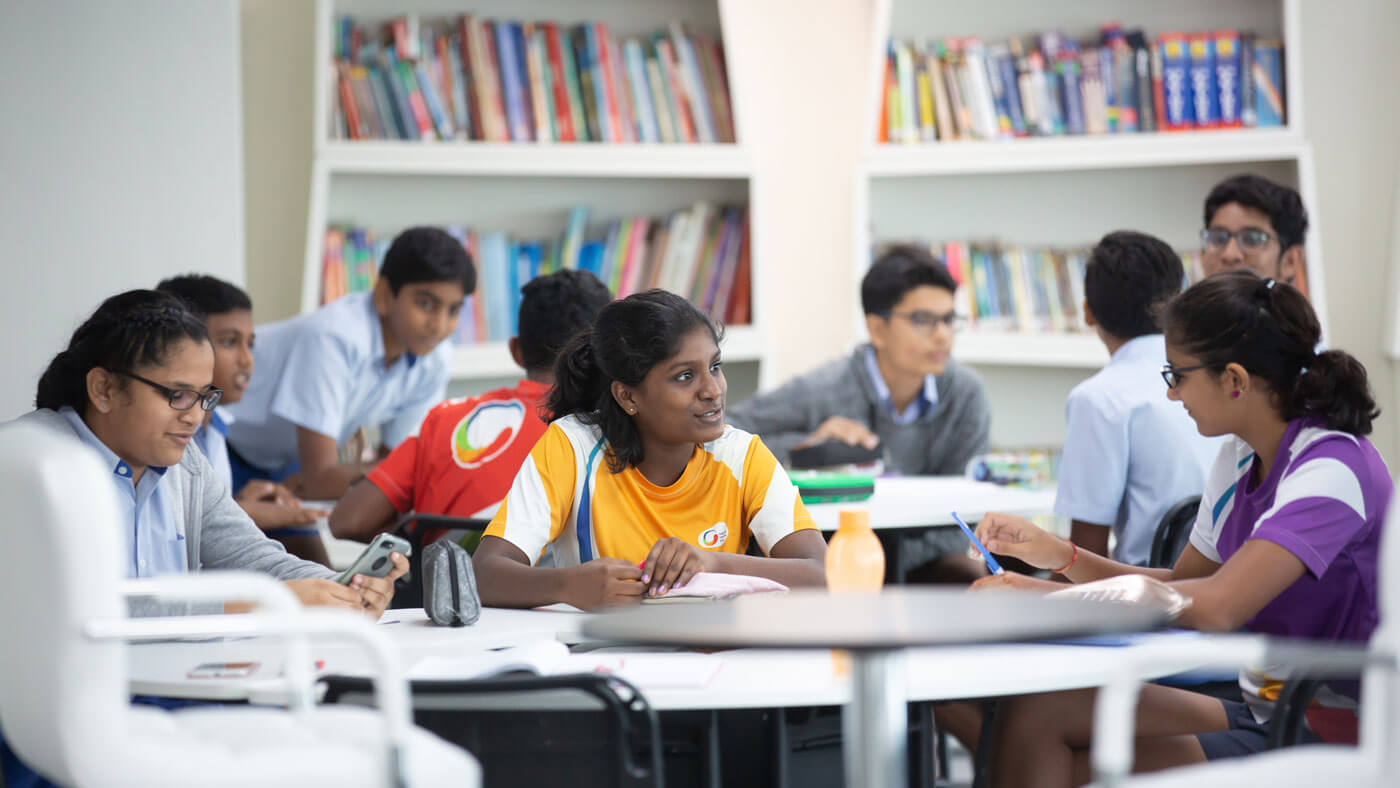
Technology has transformed communication, but strong interpersonal skills remain fundamental to success. Montessori classrooms bring together children in collaborative learning environments where they learn to respect others, resolve conflicts and work as a community.
Mixed-age settings encourage peer learning, empathy and leadership. Younger children benefit from observing older peers, while older students strengthen their understanding by mentoring younger classmates.
At GIIS KL, social-emotional development is a core component of the Early Years curriculum. Children learn to build positive relationships, manage emotions and develop confidence in expressing themselves—skills that support lifelong wellbeing and success.
Why Montessori Remains Relevant Today
As parents evaluate educational options, whether researching a Tokyo International School, comparing Tokyo International School Fees, or exploring alternatives among international schools in Tokyo, many are looking beyond academic rankings and admission processes.
The growing interest in Montessori education in Tokyo reflects a broader shift towards educational models that prioritise holistic development and future-readiness. Parents are increasingly looking for programmes that help children develop essential life skills while maintaining a strong foundation for future academic success.
They increasingly seek learning environments that prepare children for life, not just school.
Montessori education remains highly relevant because it focuses on developing capable, curious and confident learners. By combining independence-building, creativity, hands-on learning and balanced technology integration, Montessori programmes help children develop the adaptability needed for the future.
The Global Montessori Plus curriculum at GIIS Kuala Lumpur exemplifies this modern evolution of Montessori education. By blending time-tested Montessori principles with contemporary learning approaches, GIIS KL equips young learners with the skills, mindset and confidence to thrive in a technology-driven world.
Final Words
In an age where technology continues to transform education and society, Montessori education offers a powerful balance between innovation and human development. Through independence-building, creativity, curiosity and future-ready learning experiences, children gain the skills they need to succeed both academically and personally.
If you are looking for an Early Years programme that combines the best of Montessori philosophy with modern educational practices, explore the Global Montessori Plus (GMP) curriculum at GIIS Kuala Lumpur. Discover how GIIS KL can help your child develop into a confident, capable and lifelong learner. Contact us now for more details.
FAQs
1. What is the Global Montessori Plus (GMP) curriculum at GIIS KL?
Global Montessori Plus (GMP) is GIIS Kuala Lumpur’s Early Years curriculum that combines traditional Montessori principles with contemporary teaching methods, enquiry-based learning and age-appropriate technology integration to support holistic child development.
2. Does Montessori education use technology?
Yes. Modern Montessori programmes use technology thoughtfully and purposefully. Rather than making screens the centre of learning, technology is introduced in age-appropriate ways to complement hands-on experiences and real-world exploration.
3. How does Montessori education prepare children for the future?
Montessori education develops critical thinking, creativity, independence, adaptability, collaboration and problem-solving skills. These competencies help children thrive in a rapidly changing world where lifelong learning and innovation are increasingly important.