This article narrates:
- Holidays offer powerful opportunities for students to develop cultural awareness, independence and curiosity that complement classroom learning.
- Both parents and teachers play vital roles in guiding children to reflect on their experiences and connect them to global citizenship.
- As the top international school in Tokyo and a leader among the best private schools in Tokyo, GIIS Tokyo supports holistic development through diverse curricula and global learning experiences.
In an increasingly interconnected world, raising globally-minded children means teaching them to think beyond borders, appreciate cultural diversity, and understand their role in the global community. While schools are critical to this journey, family holidays—whether travelling abroad or exploring your own city—offer unique, real-world learning experiences that go far beyond textbooks.
At GIIS Tokyo, recognised as a top international school in Tokyo, education focuses on forming future global citizens through internationally recognised curricula, enquiry-based learning and exposure to diverse perspectives. These principles also apply when children step out of the classroom and into the wider world.
What Holidays Teach Children: A Parent’s Perspective
1. Cultural Awareness and Respect
Travelling or spending time visiting cultural sites exposes children to different languages, traditions and ways of life. Parents can encourage children to notice and appreciate these differences, helping them see that there is more than one way to live and think. Whether visiting museums, attending local events or trying new foods, such experiences build empathy and cross-cultural understanding.
2. Real-World Problem Solving
Holidays often bring unpredictable challenges—navigating transport, adjusting plans or communicating in a new language. These situations help children develop resilience and logical thinking. When parents involve children in simple decisions like planning part of the day or budgeting pocket money, they nurture independence and responsibility.
3. Reflection and Conversations
Encouraging holiday journaling or reflective conversations deepens learning. Ask questions like “What surprised you most today?” or “How was this different from back home?” This practice strengthens critical thinking and global awareness. Parents at GIIS Tokyo often note that their children return from breaks with renewed curiosity and a greater appreciation of diversity, reflecting the school’s emphasis on holistic growth as part of its 9GEMS ™ framework.
What Holidays Teach Children: A Teacher’s Perspective
1. Connecting Classroom Concepts to Life
Teachers know that children learn best when they can contextualise knowledge. A geography lesson on climate zones becomes vivid when a student experiences a rainy mountain town or a sandy beach. A history lesson about ancient cultures gains relevance when a child walks through historical sites.
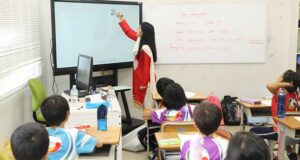
At GIIS Tokyo, educators reinforce this connection by encouraging students to discuss their travel experiences in class, linking them back to academic themes and global citizenship goals implicit in curricula including the IB Primary Years Programme or Cambridge Lower Secondary.
2. Developing Communication Skills
Holidays expose students to new social settings. Whether ordering food, asking for directions or engaging in intercultural interactions, children practise communication in ways that build confidence and social intelligence—skills highly prized in the best private school in Tokyo and beyond.
Teachers often encourage students to prepare presentations or stories about their holiday experiences, helping them articulate insights clearly and confidently.
3. Encouraging Curiosity and Enquiry
Enquiry-based learning—a core part of international education—thrives on questions sparked during real experiences. Did a child wonder why a temple looks different from a church? Or why certain festivals are celebrated? Teachers can link these observations to class projects, encouraging students to explore deeper and learn collaboratively.
GIIS Tokyo’s curricula, including IB, Cambridge and CBSE pathways, are designed to encourage this kind of inquiry, promoting analytical thinking and global perspective.
Bringing It All Together: Family and School as Partners
Holidays and school learning are not separate silos—they are parts of a continuum. When parents engage with children about their experiences and teachers bring these reflections into classroom discussions, students see the world as an integrated learning space.
GIIS Tokyo cultivates this partnership by encouraging family involvement, offering resources and maintaining open communication between home and school. Students return from breaks not only refreshed but also enriched, with broader perspectives that help them thrive in global communities.
Final Thoughts
Holidays are more than breaks from lessons—they are good opportunities to develop cultural awareness, independence, communication skills and curiosity. When families and schools work together, these experiences help shape children into truly global citizens.
If you are looking for a school that values holistic development and prepares students to be thoughtful, confident global citizens, explore GIIS Tokyo—a top international school in Tokyo and one of the best private schools in Tokyo for nurturing future leaders.
Enquire today or book a campus tour to see how GIIS Tokyo turns experiences—inside and outside the classroom—into lifelong learning.