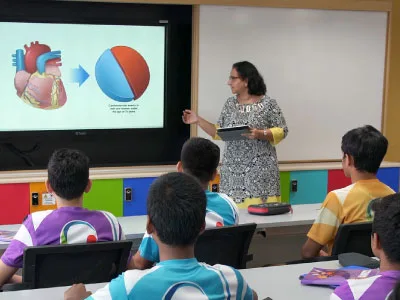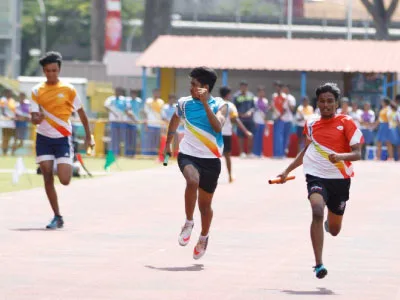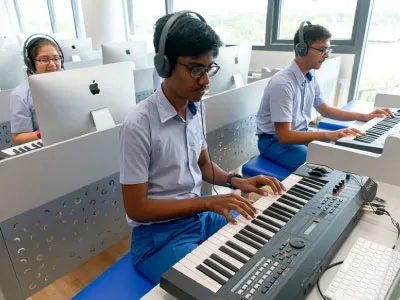
In modern day classrooms, the primary focus is on engaging students and nurturing a love for learning. An interactive classroom environment, driven by discussions and active student participation creates a strong foundation for success. Positive reinforcement plays a significant role in shaping this atmosphere. It goes beyond managing behaviour, and involves recognising and rewarding desired actions to encourage positive student behaviour.
When students feel that their hard work is valued, they are more inclined to engage in the learning process. This internal drive encourages them to participate, approach tasks with zeal and strive for excellence. As a leading IB school in Singapore, Global Indian International School (GIIS) believes in employing positive reinforcement methods, celebrating student accomplishments and promoting desirable behaviours to enable students to flourish inside the classroom environment.
Here in this blog we will explore 10 examples of positive reinforcement that can help teachers create an engaging and rewarding learning experience for their students.
Positive reinforcement strategies to help students flourish in the classroom
1. Verbal praise
A simple “great job” or “I liked the way you explained that” can go a long way. Specificity is key! Highlighting the specific aspects of a student’s work that impressed you makes the praise personal and more meaningful.
2. Nonverbal cues
A thumbs up, a smile, or a high five can be effective positive reinforcers. These nonverbal cues can be particularly helpful for younger students who might not yet be fully motivated by verbal praises.
3. Tangible rewards
Stickers, certificates, or small prizes can be used to acknowledge academic achievements or positive behaviour. However, it’s important to use these sparingly to avoid students becoming solely motivated by external rewards.
4. Social recognition
Highlighting student achievements in school newsletters or announcements is a fantastic way to celebrate successes and inspire others.
5. Increased responsibility
Assigning leadership roles or tasks that demonstrate trust in students can be a powerful motivator. This could start with appointing class monitors or group leaders for projects.
6. Perks for positive behaviour
Allowing students who consistently demonstrate positive behaviour to sometimes have first pick during classroom activities can be a motivating perk.
7. Feedback notes
Sending notes home to parents praising student progress or effort is a thoughtful way to acknowledge students and keep parents involved in their child’s education.
8. Student-led conferences
Involving students in discussions about their progress and celebrating their achievements with parents during student-led conferences empowers students and fosters a sense of ownership over their learning journey.
9. Choice and ownership
Giving students control over their learning can be a powerful motivator. This could involve allowing them to choose topics to research for projects, select presentation methods that align with their strengths, or even have a say in how classroom discussions are structured.
10. Celebration of effort
Recognising and praising the effort students put into their work, not just the final outcome, is crucial. This sends the message that perseverance and hard work are valued, even if the end result isn’t perfect. This fosters a growth mindset, encouraging students to view challenges as opportunities to learn and improve.
Benefits of positive reinforcement in education
By incorporating positive reinforcement strategies, GIIS creates a supportive and encouraging learning environment where students can thrive. These techniques not only celebrate achievements but also foster a multitude of benefits for both primary and secondary students.
1. Increased motivation and engagement
Encouraging feedback inspires students to actively participate in tasks with enthusiasm and strive for excellence. When students perceive their contributions as valuable they are more inclined to engage in the learning process and take responsibility for their learning.
2. Improved self-esteem
Self-belief motivates them to tackle challenges and embrace learning opportunities. Positive reinforcement cultivates a sense of competence and aids in the development of self-esteem.
3. Enhanced learning
A positive learning atmosphere creates a sense of security that enables students to concentrate on mastering the curriculum without the fear of failure or criticism. Students are more likely to ask questions, engage in discussions and take risks when they feel supported and valued.
4. Improved behaviour
Positive reinforcement promotes desired behaviours while decreasing instances of disruptive behaviour. By emphasising the recognition of positive behaviour, teachers can redirect unwanted behaviour in a more constructive manner.
5. Development of a growth mindset
When effort is celebrated, students more likely see mistakes as opportunities for learning and persevere in the face of challenges. Positive reinforcement fosters a growth mindset, encouraging students to view themselves as capable learners who can improve with dedication and hard work.
Conclusion
By incorporating positive reinforcement strategies across classrooms and curricula, GIIS creates a supportive and encouraging learning environment where students can thrive. These techniques not only celebrate achievements but also foster a love of learning, a key element for success in a high school like GIIS and beyond.
Positive reinforcement empowers students to become confident, self-directed learners, preparing them for the academic and personal challenges that lie ahead. This approach well aligns with the core principles of the International Baccalaureate (IB) Primary Years Programme (IB PYP) and Diploma Programme (IBDP), offered at GIIS. The IB programme emphasises the development of the whole child, fostering not just academic excellence but also critical thinking skills, social responsibility, and a lifelong love of learning.
Positive reinforcement strategies complement these goals by creating a nurturing environment where students feel empowered to take risks, explore their interests, and become well-rounded individuals. If you are keen to know more about IB PYP and IBDP at GIIS, please feel free to connect to our admissions counsellors.

Team GIIS
Team GIIS is a group of enthusiastic writers who bring the vibrant world of GIIS in Singapore to life through engaging blog posts. Dedicated to highlighting the school’s teaching methodology, innovative learning environment, and diverse curriculum options like IB, Cambridge and CBSE, they aim to connect with parents, educators and students, sharing insights and stories that inspire and inform the school community.