You’ve probably heard people talk about teachers adapting lessons so every child gets the right amount of challenge. Some students race through new material, others need extra time to master concepts. When teachers and schools factor in these differences, children often stay motivated and develop a stronger love for learning. It’s especially vital for younger students who are still figuring out their interests and how to study effectively.
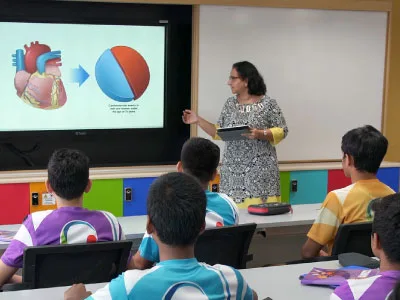
At Global Indian International School (GIIS), our teachers plan lessons that fit each child’s needs while keeping class goals in sight. This balance between personal attention and group learning shapes confident and curious learners.
What is Personalised Learning?
Some children learn to read by sounding out every letter, and others learn by recognising words from stories. These differences highlight the need for a tailored approach which personalised education aims to do. You assess what a student already knows, identify any gaps, and give them resources that work best for their style.
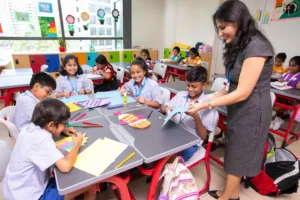
It isn’t about letting students do whatever they want, but more about using individual progress to shape how and what they learn next. Teachers guide them on a path that’s neither too easy nor overly tough. In the early years, this might look like introducing phonics to one child while another child starts more advanced reading exercises.
Key Components of Personalised Learning
A few core elements help create a balanced, student-focused classroom. Each piece ensures that lessons stay flexible yet structured enough for real growth.
Student-Centered Learning Approach
You might have seen children who love helping plan the day’s activities or picking their own books to read. A student-centred approach encourages that involvement. It trains students to think about their choices and take small steps towards independence.
Teachers become facilitators, guiding children to explore and figure things out. This shift is a big reason many schools put emphasis on personalized learning in primary schools, since younger students benefit from practice in making decisions and owning the outcomes.
Flexible Curriculum and Adaptive Teaching Methods
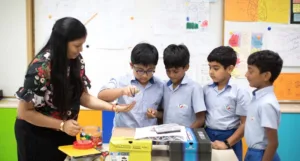
It’s not enough to rearrange a lesson or two. A flexible curriculum treats every subject as open to tweaks. If a group of children grasps multiplication quickly, the teacher might move on to word problems sooner than planned. Another group might be introduced to practical tasks, like counting objects, if they need extra support.
This flexibility extends to how teachers share content, whether through storytelling, experiments, or peer discussions. The key is to ensure every child gets a method that resonates with them.
Use of Technology and Digital Tools in Learning
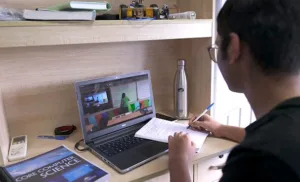
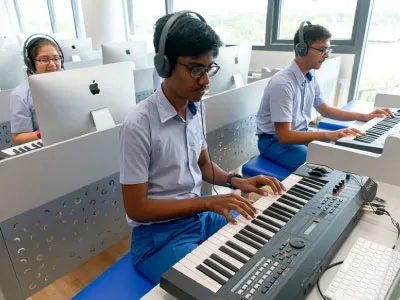
Children today interact with technology from a very young age. So, it makes sense to use digital tools where it helps. Interactive apps keep track of progress and can adapt the difficulty level based on answers. That’s where personalised learning in primary schools can shine.
Students who do well in one type of question can quickly move on to harder tasks, and those who struggle get more practice at a comfortable pace. It’s a blend of modern tech and classic teaching methods that ensures no one is left behind or unchallenged.
Data-driven Assessment and Feedback
Quizzes and tests matter, but day-to-day checks often give deeper insights into how a child learns. Regular assessments let teachers respond faster when a student is stuck or when they’re ready to be challenged more. It’s an ongoing conversation between teacher and student. Instead of waiting for a mid-term report, they constantly adjust the learning goals to match each child’s growth. This approach also helps parents see exactly where their child stands.
Personalised Learning Examples in Education
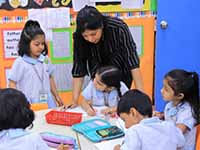
You’ve likely come across many personalised learning examples already, maybe without even noticing it. One common example is using small reading groups. Some others include –
Individualised Lesson Plans
Every child learns differently, and individualised lesson plans ensure that teaching aligns with their abilities. For example, a child struggling with phonics may receive additional one-on-one reading sessions, while a child excelling in maths may be given advanced problem-solving exercises.
Adaptive Assessments
Standardised tests don’t always reflect a child’s actual progress. Adaptive assessments adjust the difficulty level based on a student’s responses. If a child answers a maths question correctly, the next one may be slightly harder. If they struggle, they may receive an easier question to build confidence before progressing.
Small-group & one-on-one Tutoring
Some students learn best in smaller settings. Small-group and one-on-one tutoring ensure that children receive individual attention. For example, a student who finds group discussions overwhelming might benefit from a teacher-led one-on-one session to improve confidence before participating in class.
Student Choice in Learning Activities
Giving students the freedom to choose their learning activities boosts motivation and engagement. A child interested in animals may be encouraged to do a project on wildlife conservation, incorporating science, art, and storytelling.
By blending these approaches, schools can meet each child’s unique learning style.
The Benefits of Personalised Learning
It’s easy to assume that children benefit just by moving at their own pace, but the advantages often extend further. They show more curiosity and ask more questions, which can elevate the entire classroom dynamic. Here are a few more gains you might expect:
Improved Academic Performance
Improved academic growth usually tops the list. When lessons match a child’s readiness, they pick up new concepts faster and remember them better.
Social-emotional Skills
Social-emotional skills also get a boost. Children learn how to handle challenges and become self-aware of what they need to succeed, which is invaluable for maturing into confident learners.
Student Engagement and Motivation
When children feel they have a voice in their studies, they’re more enthusiastic about assignments and group activities. It fosters a sense of responsibility and motivates them to learn more.
Supports Diverse Learning Needs
Another plus is how it supports varied learners in one room. A single class can hold budding mathematicians, creative writers, and visual artists, each thriving through tailored tasks.
Challenges and Considerations in Implementing Personalised Learning
No teaching method is perfect. Personalised learning in education can be demanding for teachers, who must track each student closely. It can also require resources like well-designed digital tools or smaller class sizes to ensure everyone gets individual attention.
When trying out personal approaches, teachers must keep a balance. Too much freedom and students can lose structure; too little freedom and it’s no longer truly adaptive.
At GIIS, there’s an effort to support teachers with ongoing training and resources to help them plan lessons effectively. It’s equally important to involve parents, since they see parts of the child’s development that might not come out in school. This helps both sides collaborate on strategies that support children, whether you’re looking at kindergarten admission in Singapore or exploring local primary options.
結論
Personalised learning equates to your child’s education being tailored to fit who they are, not who they’re supposed to be. By providing them with a combination of group work, adaptive assignments, and frequent feedback, they can grow both academically and personally at a more balanced rate. We at Global Indian International School (GIIS) believe in these principles and strive to offer an environment where each child feels valued and inspired.
Our teachers focus on building strong foundations early on and make it a point to give children the support they need, whether that’s for advanced topics or building confidence at any level. If you’d like to learn about primary school fees or simply want to see how this approach works, our team is here to help you explore the possibilities for your family’s educational journey.
Interested in Personalised Learning for Your Child?
At GIIS, every child learns in a way that builds curiosity, confidence, and a love for learning.

チームGIIS
チームGIISは、GIISシンガポールの活気ある世界を魅力的なブログ記事で伝える熱心なライター集団です。GIISの教育方法、革新的な学習環境、IB、ケンブリッジ、CBSEなどの多様なカリキュラムを紹介し、保護者、教育関係者、生徒とつながり、学校コミュニティを刺激し、情報を提供する洞察やストーリーを共有することを目的としています。