Many parents ask- “what is kindergarten”, and how it fits into their child’s overall education journey. Kindergarten is often a child’s first structured learning experience outside the home, playing a crucial role in building confidence, independence, and a love for learning. It bridges early childhood care and formal schooling, preparing children for primary education and, eventually, secondary schools in Malaysia.
At GIIS Kuala Lumpur (GIIS KL), one of the well-known international schools in Kuala Lumpur, kindergarten is designed as a nurturing, engaging and developmentally appropriate stage that supports children academically, socially, and emotionally. This A–Z glossary explains kindergarten in clear terms to help parents make informed decisions.
A–Z Glossary: Understanding Kindergarten
A – Age Group
Kindergarten typically caters to children aged 3 to 6 years.
B – Behaviour Development
Children learn classroom routines, sharing, and self-control.
C – Communication Skills
Speaking, listening, and early language development are key focuses.
D – Developmental Milestones
Kindergarten supports cognitive, social, emotional, and physical growth.
E – Early Learning
Foundational literacy, numeracy, and thinking skills are introduced.
F – Fine Motor Skills
Activities like drawing, cutting, and writing prepare hands for later learning.
G – Gross Motor Skills
Movement, balance, and coordination are developed through play.
H – Holistic Education
Learning supports the whole child, not just academics.
I – Independence
Children learn to manage belongings, routines, and simple tasks.
J – Joyful Learning
Kindergarten encourages learning through play and exploration.
K – Kindergarten
The stage of education before primary school.
L – Learning Through Play
Play is used to develop problem-solving and creativity.
M – Morning Routine
Daily routines help children feel secure and organised.
N – Nurturing Environment
Safe, caring spaces support emotional wellbeing.
O – Observation
Teachers assess progress through daily interactions.
P – Preschool Foundation
Kindergarten builds readiness for primary school.
Q – Questions
Curiosity is encouraged through asking and exploring.
R – Readiness
Preparing children for structured learning in primary school.
S – Social Skills
Friendships, teamwork, and empathy are developed.
T – Timetable
Parents often ask what time does kindergarten start and end—most programmes run half-day or full-day schedules, depending on the school.
U – Understanding Emotions
Children learn to express feelings appropriately.
V – Values Education
Respect, kindness, and responsibility are reinforced.
W – Wellbeing
Emotional comfort and happiness are prioritised.
X – eXploration
Children learn by discovering and experimenting.
Y – Young Learners
Kindergarten supports early childhood learning stages.
Z – Zone of Growth
Children develop skills with guided teacher support.
What Is Kindergarten in Practice?
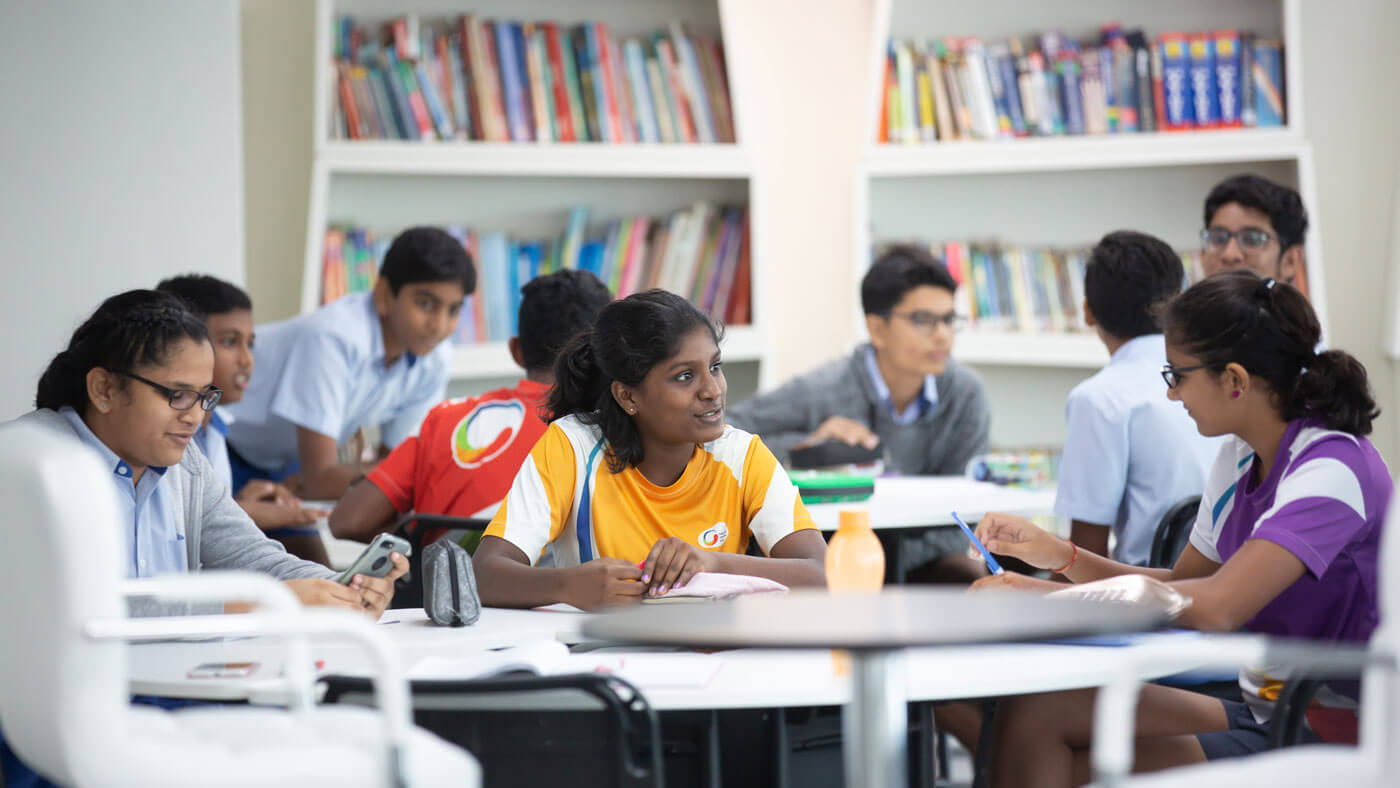
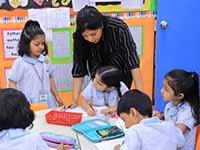
So, what is kindergarten in a real classroom? It is a structured yet flexible learning environment where children engage in play-based activities, group learning, storytelling, music, art, and early numeracy and literacy tasks. Teachers guide children gently, helping them build confidence and curiosity rather than focusing on exams or pressure.
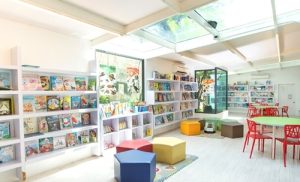
At GIIS KL, kindergarten classrooms are designed to support exploration, communication, and independence—helping children enjoy learning while preparing for primary school expectations.
What Is the Right Age for Kindergarten?
Parents often ask, what is the right age for kindergarten. While this can vary slightly, most children begin kindergarten between 3 and 4 years old, progressing through levels until age 6. Readiness depends on emotional comfort, communication ability, and curiosity—not just age.
International schools like GIIS KL assess readiness holistically, ensuring each child transitions comfortably into the learning environment.
What Time Does Kindergarten Start and End?
Another common question is what time does kindergarten start and end. Typically:
- Half-day programmes run for 3–4 hours
- Full-day programmes may run 6–7 hours
Schedules vary across international schools in Kuala Lumpur, so parents should confirm timings during school visits. GIIS KL offers structured daily routines that balance learning, play, rest, and wellbeing.
Why Kindergarten Matters in the Long Term
Kindergarten lays the groundwork for future academic success and personal development. Children who experience quality kindergarten education often show:
- better confidence in learning
- stronger social and communication skills
- smoother transitions into primary and later secondary schools in Malaysia
This early foundation supports lifelong learning habits.
Kindergarten at GIIS Kuala Lumpur
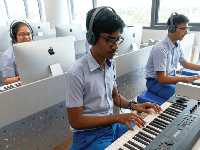
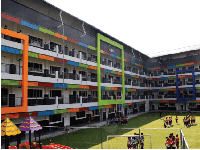
As a respected option among international schools in Kuala Lumpur, GIIS KL views kindergarten as a critical stage of holistic development. The programme focuses on:
- play-based and enquiry-led learning
- language-rich classrooms
- caring teacher guidance
- smooth progression into primary education
Families searching for kindergarten in KL value GIIS KL’s balanced approach that nurtures both academic readiness and emotional wellbeing.
Final Words
Kindergarten is much more than childcare—it is the foundation of a child’s educational journey. Understanding what is kindergarten, what is the right age for kindergarten, and what time does kindergarten start and end helps parents choose the right environment for their child.
At GIIS Kuala Lumpur, kindergarten is designed to nurture confident, curious learners who are well-prepared for primary education and beyond.
Final Words
If you are exploring kindergarten in KL or considering leading international schools in Kuala Lumpur, GIIS Kuala Lumpur is worth visiting.
Book a campus tour to discover how we, at GIIS KL, support children through a strong, joyful kindergarten programme that prepares them for future success.