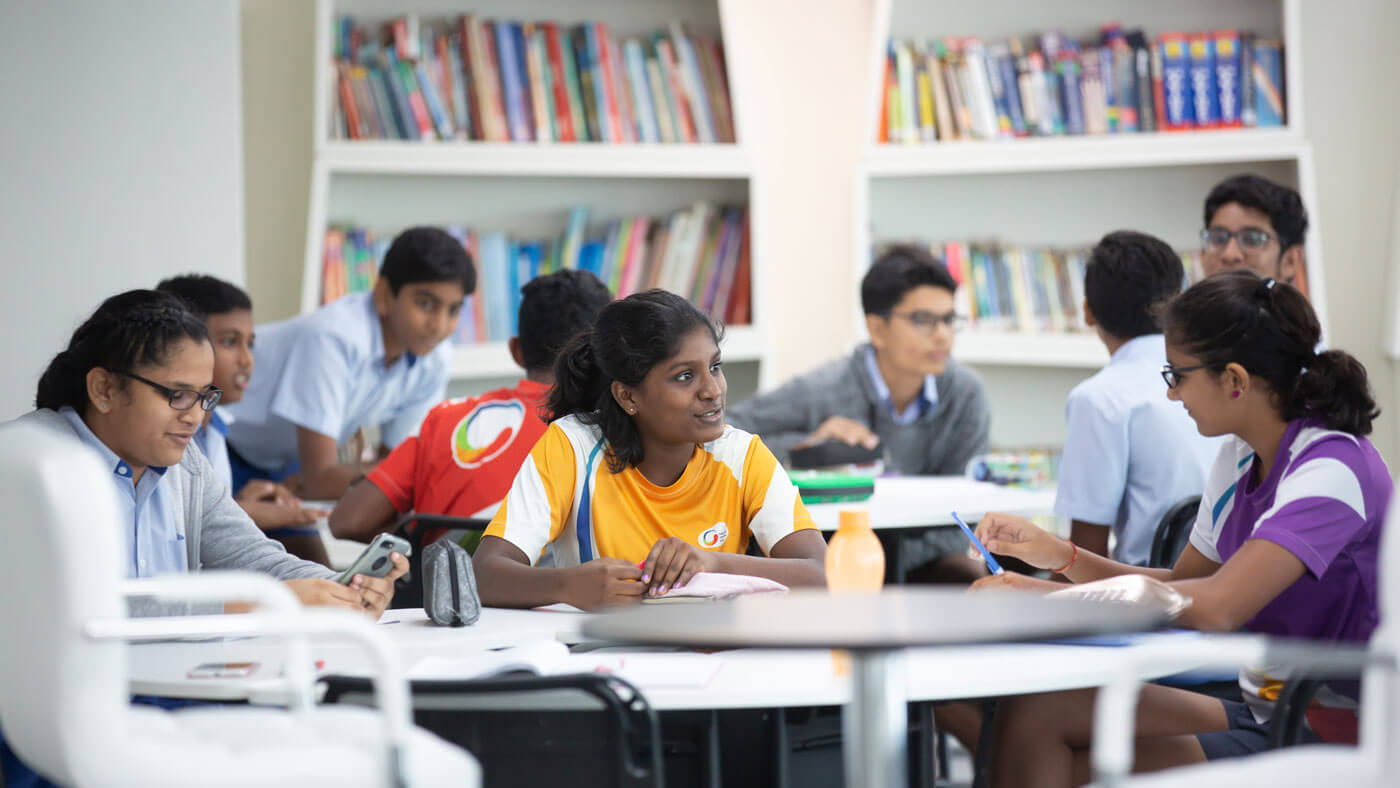
Many parents exploring early education ask- what is play based learning, and why it is so widely used in high-quality early years programmes. Simply put, play based learning is an approach where children learn through meaningful, hands-on play experiences rather than passive instruction. Especially in play based learning in early childhood, play becomes the vehicle through which children develop language, thinking skills, creativity and emotional confidence.
Across leading international schools in Kuala Lumpur and the best international schools in Kuala Lumpur, play-based learning is recognised as one of the most effective foundations for lifelong learning. At GIIS Kuala Lumpur (GIIS KL), play-based learning is thoughtfully integrated into early years classrooms, supporting confident, curious learners from kindergarten in Kuala Lumpur onwards.
A–Z Glossary: Play-Based Learning Explained
A – Active Learning
Children learn by doing, exploring, and engaging physically and mentally.
B – Balance
A mix of child-led play and teacher-guided learning.
C – Curiosity
Play encourages children to ask questions and explore ideas.
D – Discovery
Learning happens naturally through exploration and experimentation.
E – Elements of Play Based Learning
Choice, exploration, imagination, social interaction, and guided support.
F – Fine Motor Skills
Developed through drawing, building, threading, and craft play.
G – Gross Motor Skills
Strengthened through running, climbing, jumping, and movement games.
H – Holistic Development
Supporting cognitive, emotional, social, and physical growth.
I – Imaginative Play
Role-play (shops, homes, doctors) that builds language and creativity.
J – Joyful Learning
Children associate learning with enjoyment and confidence.
K – Kindergarten Learning
Play-based approaches are central to quality kindergarten programmes.
L – Language Development
Play supports vocabulary growth, storytelling, and communication.
M – Meaningful Learning
Activities have purpose, not just entertainment.
N – Nurturing Environment
Safe spaces where children feel comfortable to explore.
O – Observation
Teachers watch and guide learning through play.
P – Play Based Learning Activities
Blocks, puzzles, role-play, outdoor play, art, music, and sensory tasks.
Q – Questioning
Children learn by asking “why?” and “how?”.
R – Relationships
Social play builds cooperation, empathy, and friendships.
S – Sensory Play
Sand, water, textures, and messy play that stimulate the senses.
T – Teacher Guidance
Educators extend learning through questions and encouragement.
U – Understanding
Children grasp concepts through experience, not memorisation.
V – Vocabulary
Play exposes children to new words in real contexts.
W – Wellbeing
Play reduces stress and builds emotional security.
X – eXploration
Trying, testing, and learning from outcomes.
Y – Young Learners
Play-based learning is ideal for early childhood ages.
Z – Zone of Development
Skills children develop with gentle adult support.
What Is Play-Based Learning in Practice?
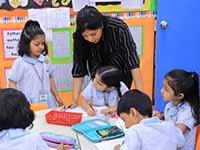
So, what is play based learning in a classroom setting? It means children learn key concepts through structured play rather than worksheets. For example, an example of play based learning could be children building towers with blocks to understand balance and numbers, or role-playing a shop to practise counting and communication.
At GIIS KL, play-based learning is used intentionally to support early numeracy, literacy, creativity, and social skills. Teachers design environments that invite exploration while guiding children towards learning outcomes.
Play Based Learning in Early Childhood
Play-based learning in early childhood is especially powerful because young children naturally learn through interaction and exploration. Through play, children develop:
- confidence and independence
- communication and language skills
- early problem-solving abilities
- emotional regulation and resilience
This is why families comparing international schools in Kuala Lumpur often prioritise schools that emphasise play-based early years education.
What Are the Benefits of Play Based Learning?
Parents frequently ask, what are the benefits of play based learning? The advantages are wide-ranging:
- Builds strong language and communication skills
- Encourages creativity and flexible thinking
- Supports social and emotional development
- Improves focus and motivation
- Creates positive attitudes towards learning
- Prepares children smoothly for primary school
At GIIS KL, these benefits are reinforced through a supportive learning culture that values curiosity, collaboration, and confidence—qualities expected at the best international schools in Kuala Lumpur.
Play-Based Learning at GIIS Kuala Lumpur
As part of its early years philosophy, GIIS KL integrates play-based learning with structured routines and age-appropriate guidance. Children in kindergarten in Kuala Lumpur benefit from:
- hands-on learning environments
- caring teacher support
- opportunities for collaboration and creativity
- gradual preparation for formal learning
This balanced approach ensures children are both happy and academically ready for the next stage of their education.
Final Words
Play-based learning is far more than “just play”. It is a research-backed approach that supports whole-child development, builds confidence, and lays the foundation for lifelong learning. Understanding what is play based learning, its elements, and its benefits helps parents make informed choices about early education.
At GIIS Kuala Lumpur, play-based learning is part of a wider commitment to nurturing capable, confident learners—one of the reasons families value GIIS among leading international schools in Kuala Lumpur.
If you are exploring kindergarten in Kuala Lumpur or looking for the best international schools in Kuala Lumpur that prioritise joyful, meaningful early learning, GIIS Kuala Lumpur is worth considering.
Book a campus tour to meet the admissions team today to discover how GIIS KL supports children through high-quality play-based learning.