Education is evolving rapidly, and one of the most discussed approaches today is student-centred learning. Many parents researching progressive teaching models often ask, ” What is student-centred learning and how does it differ from traditional classrooms?
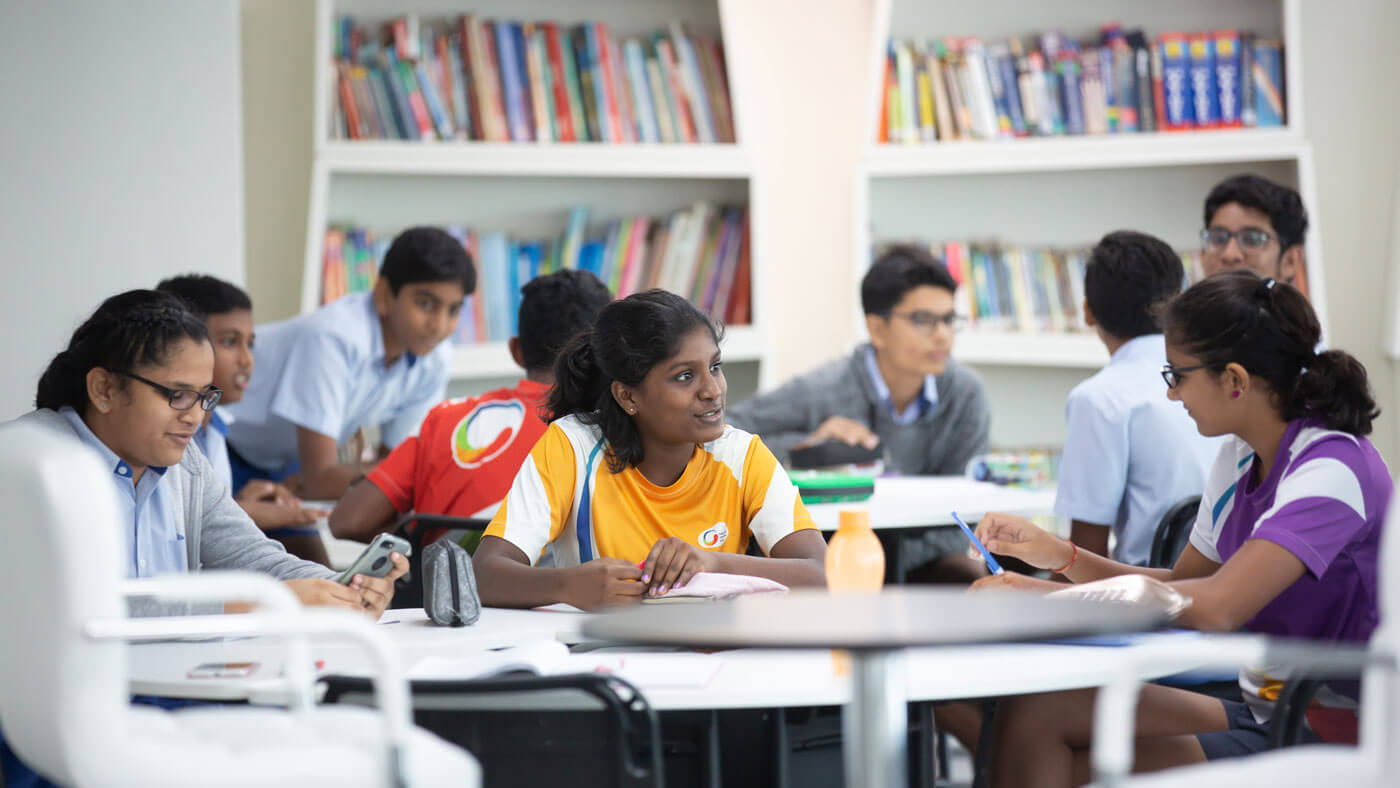
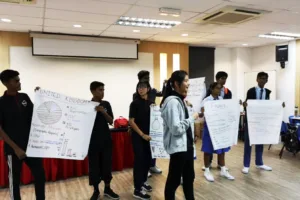
In simple terms, student-centred learning shifts the focus of education from the teacher delivering information to students actively participating in their own learning journey. Instead of passively listening to lectures, students collaborate, explore, question, and apply knowledge in meaningful ways.
At GIIS Kuala Lumpur (GIIS KL), we believe that empowering students to take ownership of their learning builds not only academic strength but also confidence, creativity, and independence, qualities valued in some of the best schools in Kuala Lumpur.
What is Student Centred Learning?
So, what is student-centred learning in practice?
It is an educational philosophy where:
- Students actively engage in discussions and projects
- Teachers act as facilitators rather than sole information providers
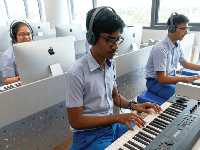
- Lessons are designed around enquiry, exploration, and real-world application
- Learning styles and individual strengths are recognised
Unlike traditional teacher-led instruction, this approach encourages students to ask questions, collaborate in teams, and reflect on their understanding. Whether in primary classrooms or high schools in Malaysia, student-centred learning prepares students for a future where adaptability and problem-solving are essential.
Many Montessori schools are built on similar principles—emphasising independence, hands-on activities and personalised learning. While the structure may vary, the core philosophy remains the same: students learn best when they are actively involved.
Benefits of Student-Centred Learning
Understanding the benefits of student-centred learning helps parents see why this approach has gained global popularity.
1. Improved Critical Thinking
Students analyse, evaluate and create rather than memorise. By engaging in discussions and problem-solving activities, they learn to think independently.
2. Greater Engagement
When students have a voice in how they learn, motivation increases. They feel more connected to their studies.
3. Personalised Learning Pace
Each child learns differently. Student-centred environments allow flexibility, enabling students to move at a pace suited to their understanding.
4. Stronger Communication Skills
Group work, presentations, and peer feedback develop collaboration and public speaking abilities.
5. Real-World Application
Students connect classroom knowledge to real-life scenarios, which improves retention and relevance.
At GIIS KL, we integrate student-centred strategies into our academic framework to ensure that learners are not just absorbing information but actively engaging with it. This approach supports both academic excellence and holistic development—key qualities families seek when exploring the best schools in Kuala Lumpur.
Challenges of Student-Centred Learning
While the approach is powerful, it is important to acknowledge the challenges of student-centred learning.
1. Adjustment Period
Students accustomed to teacher-led instruction may initially struggle with greater responsibility for their learning.
2. Classroom Management
Active discussions and collaborative work require strong facilitation skills to ensure productivity.
3. Time Constraints
Project-based and enquiry-based activities may take longer than traditional lectures.
4. Assessment Complexity
Evaluating creativity, teamwork, and problem-solving can be more nuanced than grading standardised tests.
5. Resource Requirements
Effective student-centred classrooms often need smaller class sizes, flexible spaces and trained educators.
However, when implemented thoughtfully, these challenges become opportunities for growth. At GIIS KL, we carefully balance structured curriculum requirements with interactive learning experiences to ensure academic rigour remains strong.
Student-Centred Learning Across Different School Types
Montessori Schools
Many Montessori schools are pioneers of student-centred education. They focus on hands-on materials, independent exploration, and mixed-age classrooms. Students develop autonomy from an early age.
High Schools in Malaysia
In high schools in Malaysia, student-centred learning often appears through project-based learning, debates, STEM activities, and collaborative research tasks. This prepares students for university environments that value initiative and critical thinking.
At GIIS KL, we incorporate student-centred strategies across grade levels, ensuring that students progressively develop independence while meeting global academic standards.
Glossary of Key Terms
To better understand this approach, here are some important related terms:
- Active Learning: Students participate directly in the learning process through discussion and activities.
- Collaborative Learning: Students work together to solve problems or complete tasks.
- Facilitator: A teacher who guides learning rather than delivering one-way instruction.
- Enquiry-Based Learning: Learning driven by student questions and curiosity.
- Personalised Learning: Instruction tailored to individual strengths and needs.
- Project-Based Learning: Students gain knowledge by working on extended projects.
- Reflective Practice: Students review and evaluate their own learning progress.
- Self-Directed Learning: Students take initiative in planning and managing their learning.
Why Student-Centred Learning Matters Today
In today’s fast-changing world, students need more than just textbook knowledge. They need confidence, creativity, collaboration, and adaptability. This is why more families are considering schools that integrate progressive teaching strategies alongside strong academic foundations.
When parents explore the best schools in Kuala Lumpur, they increasingly look for environments where students are encouraged to think independently while maintaining academic excellence.
At GIIS KL, we believe education should inspire curiosity while building discipline and knowledge. By combining structured curricula with interactive, student-centred approaches, we prepare learners not just for exams—but for life beyond the classroom.
Final Words
So, what is student-centred learning? It is an approach that places students at the heart of education—empowering them to explore, question, collaborate, and grow.
While there are challenges to student-centred learning, the long-term advantages often outweigh the difficulties. The benefits of student-centred learning, from critical thinking to real-world readiness, make it a powerful model for modern education.
If you are exploring high schools in Malaysia or comparing Montessori schools and other progressive institutions, we invite you to discover how we integrate student-centred strategies within a structured academic framework at GIIS Kuala Lumpur.
Connect with us to learn how we nurture confident, independent learners in one of the most dynamic educational environments in Kuala Lumpur. Book a campus tour or speak with our admissions team today to see how your child can thrive.