In today’s digital age, students face a steady stream of screens—from smartphones to tablets and laptops. While tech is indispensable for learning, excessive screen time can impact focus, sleep and wellbeing. For schools with rigorous programmes such as the IGCSE syllabus, it becomes even more important to strike a healthy balance. This guide outlines effective strategies on how to reduce screen time for students, explores techniques on how to reduce phone screen time, identifies the best way to limit screen time, and highlights how institutions like Global Indian International School Kuala Lumpur (GIIS KL) in Malaysia help provide a balanced environment.
Why Screen Time Matters for Students
Before diving into the practical how-to, it’s worth understanding why screen time warrants attention:
- Long hours on phones and tablets can impair attention or make it harder for students to sustain focus during study sessions.
- For learners tackling the IGCSE syllabus, which demands deep thinking, analysis and consistent revision, excessive screen use can disrupt the rhythm of learning.
- The team at GIIS KL points out that digital literacy also involves “keeping a track of screen time” as part of cultivating responsible digital citizens.
- While digital tools are central, the best way to limit screen time is about building healthy habits—not turning away from tech altogether.
How to Reduce Phone Screen Time: Practical Strategies
Focusing specifically on mobile phones (a major screen-time contributor), here are actionable steps:
1. Set Clear Daily Limits
Decide on a fixed time each day that a student will not use their phone—for example, no phone use for one hour after school or one hour before bed. Use built-in features such as screen-time trackers to monitor usage.
2. Replace Mindless Scrolling with Purposeful Use
Encourage students to ask: “Is this adding value to my study or wellbeing?” If not, it may be time to close the app. This mindset is especially useful for students enrolled in the IGCSE programme, where meaningful study time matters.
3. Use “Do Not Disturb” or Focus Modes
Enable periods of notification silence or phone-lock during dedicated study blocks. This helps avoid distraction.
4. Create Phone-Free Zones or Times
Designate certain places or times—bedroom after 9 pm, dinner table, or before a study session—where phones stay out of sight. The reduction in temptation aids concentration.
5. Use Your Phone for Good—Then Put it Away
If the phone is used for learning (e.g., digital flash-cards, revision apps), set a timer for the activity and then switch to an analogue task—writing notes, practising with paper, or stepping away from the screen entirely.
How to Reduce Screen Time for Students: Broad Strategies
Going beyond phones, here are holistic methods students and parents can adopt to reduce overall screen usage:
Establish Structured Study and Rest Periods
Many institutions covering the IGCSE syllabus emphasise regular, uninterrupted study. Students should follow cycles such as: 25 minutes study (screen or no-screen) → 5 minutes break (preferably no screen) → repeat. This supports stamina and focus.
Encourage Non-Screen Breaks and Activities
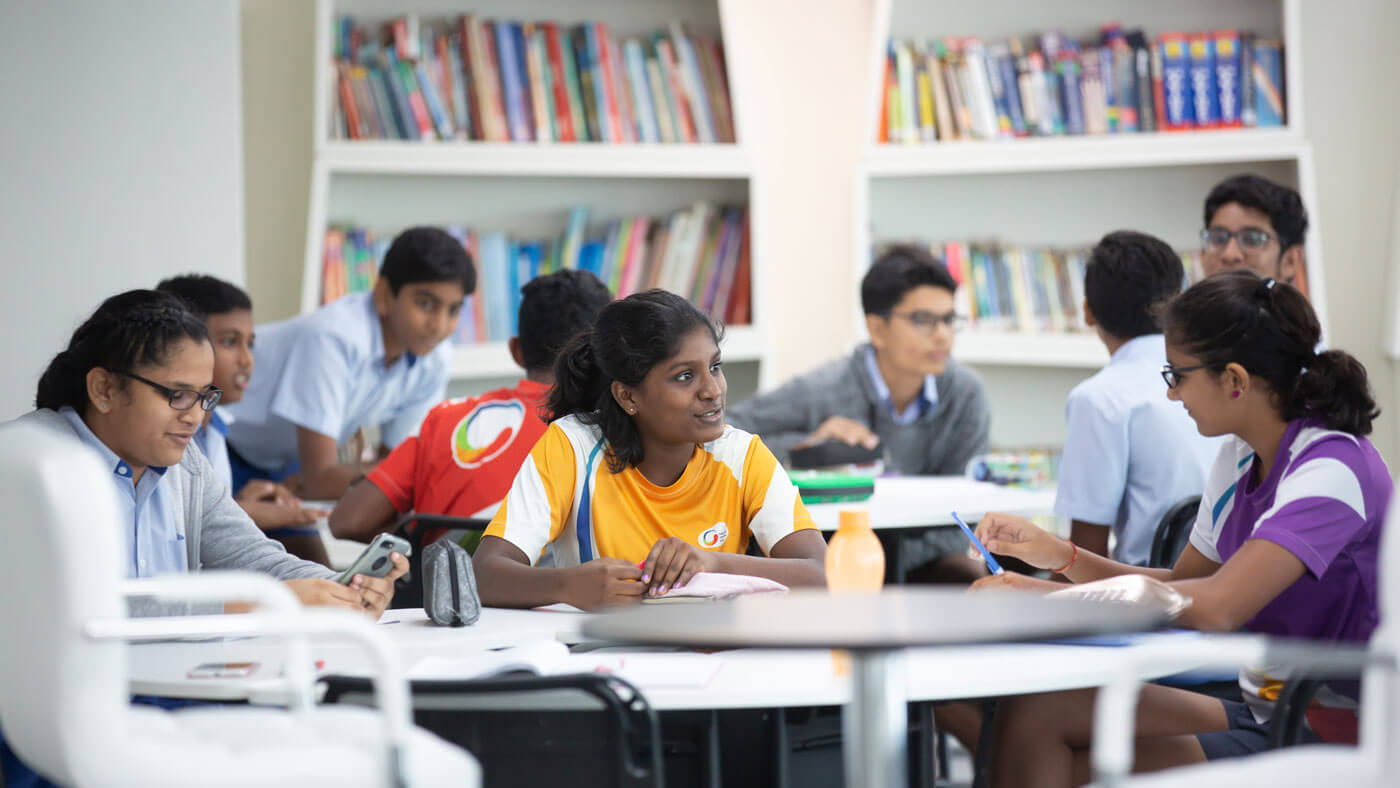
Get students into good habits such as: a short walk outdoors, stretching, sports, reading a book, or engaging in a hobby. At GIIS KL, physical and co-curricular activities (part of their holistic framework) are used to balance digital learning.
Monitor and Review Screen Use as a Family
Parents can ask students to report their screen-time at week’s end, discuss what worked or what felt too much, and set new goals for the coming week. The process of oversight helps reinforce self-regulation.
Integrate Screen-Time Awareness into Learning
At GIIS KL, we embed digital literacy into our programmes (“keeping a track of screen time”), so you can leverage this by making students aware of their habits and exploring alternative learning modes—group discussions, handwritten notes, peer teaching.
Use Technology Wisely for the IGCSE Journey
When following the IGCSE syllabus, digital tools are valuable—but they shouldn’t monopolise study time. Create a mix: e-learning modules, physical textbooks, face-to-face revision, and peer-group discussion. This variety reduces burnout and lowers passive screen exposure.
Best Way to Limit Screen Time: A Balanced Approach
While there’s no one-size-fits-all, the best way to limit screen time is through a balanced, multi-tier approach:
- Intention + Structure: Have a clear reason (“I’m avoiding screens so I can revise this IGCSE topic properly”) and build a schedule around it.
- Substitution: Replace some screen hours with meaningful offline tasks—experimenting in science labs, active revision sessions, sports, and arts. GIIS KL’s holistic 9GEMSTM framework supports this.
- Reflection: After each week, review what screen use helped and what didn’t. Did late-night scrolling hamper sleep? Did study blocks without phones bring better retention?
- Progressive Adjustment: Start with realistic limits—e.g., reduce phone screen time by 30-60 minutes a day—and gradually tighten as habits solidify.
- Reward & Reinforce: Recognise success. If a student reduced their screen time and used the time effectively to study for IGCSE modules, celebrate that. Positive reinforcement sustains change.
How It Ties into IGCSE and School Choices
When selecting an institution to navigate the IGCSE journey, the school’s approach to student wellness, digital usage and study habits matters. At GIIS KL, for instance:
- The school emphasizes digital citizenship, not just tech-use.
- Their topology of facilities and co-curricular options helps students diversify how they learn and engage.
- If you are exploring IGCSE admission requirements or choosing among the best international schools in Malaysia, these wellness and screen-time practices become differentiators.
Take the First Step to Smarter Screen Use
Reducing screen time isn’t about eliminating technology—it’s about using it more mindfully, especially for students preparing through the IGCSE syllabus. By applying structured strategies on how to reduce phone screen time and how to reduce screen time for students, and recognising the best way to limit screen time, learners can enhance focus, well-being and academic performance.
If you are considering top-tier schools in Malaysia that understand the importance of balanced digital usage alongside academic excellence, look no further than GIIS KL—one of the best international schools in Malaysia. GIIS KL combines rich curricula, modern infrastructure and student-wellness frameworks to support thriving learners.
Want to witness how GIIS KL can help your child grow holistically, with the right balance of digital and non-digital learning? Visit our campus today to talk to our admissions team and learn more about IGCSE admission requirements as well as the CBSE syllabus. Your child’s smarter screen-time journey starts now!